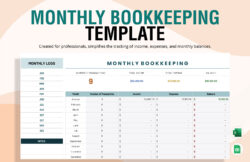
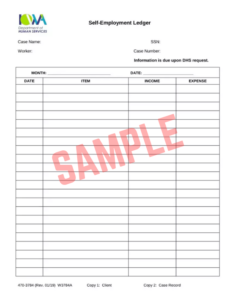
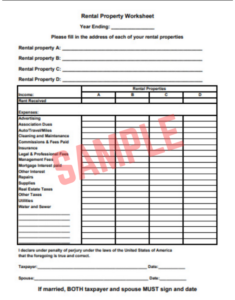
Navigating the financial landscape of a small business or freelance career can feel like a daunting task, especially when you’re juggling multiple responsibilities. Keeping tabs on every penny coming in and going out is crucial for success, but it often gets pushed to the side until it becomes a stressful, overwhelming chore. This is where a well-designed weekly bookkeeping record template can become your best friend, transforming financial tracking from a burden into a manageable and even insightful routine.
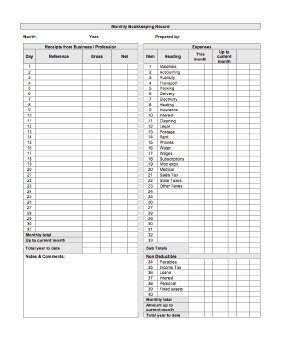
Imagine the clarity and control you could have over your finances by simply dedicating a small amount of time each week to review and record your transactions. This consistent approach not only helps you understand your current financial standing but also empowers you to make smarter decisions for the future, catching potential issues before they escalate. It’s about building a sustainable habit that supports your business growth.
In the following sections, we will explore why weekly financial tracking is so beneficial, what essential elements make up an effective template, and how you can implement this simple yet powerful tool to bring peace of mind and precision to your financial management.
Why Weekly Tracking is a Game Changer for Your Finances
Many small business owners tend to put off their bookkeeping, letting transactions pile up until the end of the month, or even the quarter. While it might seem like a time-saver in the short term, this approach often leads to more stress, errors, and a general lack of insight into your financial health. Moving to a weekly tracking system fundamentally changes this dynamic, offering a fresh perspective and significantly improving your financial management practices.
One of the biggest advantages of weekly bookkeeping is the ability to maintain incredible accuracy. When you’re dealing with a small batch of transactions from the past seven days, the details are still fresh in your mind. You can easily recall the purpose of a particular expense or the source of an income payment, making it much simpler to categorize everything correctly. This reduces the chances of misclassifications that can cause headaches down the line, especially during tax season.
Catching Discrepancies Early
With a weekly review, you become adept at spotting anomalies quickly. Did a payment not come through as expected? Was there an unauthorized charge on your business card? By reviewing your records every week, you can identify these discrepancies almost immediately, allowing you to take swift action. This proactive approach protects your finances from potential fraud or errors that might go unnoticed for months with less frequent tracking.
Maintaining Healthy Cash Flow
Understanding your cash flow is paramount for any business, regardless of its size. Weekly tracking provides a real-time snapshot of how much money is available, allowing you to manage your working capital effectively. You can see trends, anticipate upcoming expenses, and ensure you have sufficient funds to cover your obligations, avoiding those stressful moments of scrambling for cash. This granular view helps you make informed decisions about investments, purchases, or even when to draw a salary.
Streamlining Tax Preparation
Nobody enjoys tax season, but weekly bookkeeping can dramatically ease the burden. Instead of spending days or weeks sifting through a year’s worth of receipts and bank statements, your records are already organized and categorized. When it’s time to prepare your taxes, you’ll have a clear, accurate, and complete financial picture at your fingertips, saving you time, reducing stress, and potentially helping you identify all eligible deductions.
Ultimately, consistent weekly engagement with your finances fosters a habit of financial discipline. It makes bookkeeping less of a dreaded chore and more of an integral, manageable part of your business operations. This regularity builds confidence and empowers you to be truly in control of your financial destiny.
Elements of an Effective Weekly Bookkeeping Template
To truly harness the power of weekly financial tracking, you need a template that is comprehensive yet straightforward. A well-designed weekly bookkeeping record template should capture all the essential information without being overly complicated, ensuring that it remains a tool you’ll actually use rather than just another item on your to-do list. The goal is clarity and ease of use, providing a clean snapshot of your weekly financial activity.
At its core, any good template will clearly separate income from expenses. This fundamental division allows you to quickly assess your profitability for the week. Beyond just the amounts, detailed descriptions are incredibly important. A vague entry like “Payment” or “Supplies” isn’t helpful when you look back later. Specificity helps you remember the context of each transaction, which is crucial for accurate categorization and tax purposes.
Moreover, categorizing your income and expenses is vital for analysis and tax preparation. Categories might include “Sales Revenue”, “Consulting Fees” for income, and “Office Supplies”, “Marketing”, “Travel”, “Utilities”, or “Rent” for expenses. The right categories reflect your specific business operations. Including the date of the transaction and the payment method (e.g., cash, credit card, bank transfer) adds another layer of detail that can be invaluable for reconciling with bank statements or credit card bills. A running balance column is also a fantastic addition, giving you an immediate sense of your current financial standing after each transaction.
Here are the key components typically found in a robust template:
- Date of Transaction
- Description of Transaction (clear and concise)
- Category (e.g., Income: Sales, Service; Expense: Office Supplies, Utilities)
- Income Amount
- Expense Amount
- Payment Method (e.g., Bank Transfer, Credit Card, Cash)
- Reference Number (Invoice #, Check #, Receipt #)
- Notes/Memo (for additional context)
- Running Balance
By consistently filling out these sections each week, you create a rich and organized repository of your financial activities, transforming raw data into actionable insights for your business.
Embracing a systematic approach to your finances, particularly through the regular use of a well-structured template, is perhaps one of the most impactful steps you can take for your business. It removes the guesswork and the scramble, replacing them with a sense of calm and precision. This consistent effort, spread out across the year, saves you significant time and stress when bigger financial tasks, like tax filing, come around.
Starting with a simple yet effective system empowers you to keep a firm grip on your financial health, allowing you to focus more energy on growing your business and less on worrying about your books. The clarity and control gained from this habit are invaluable, laying a strong foundation for sustainable success and giving you true command over your financial future.