Running a bustling kitchen in a restaurant is an intricate dance of culinary creation and efficient service. However, beneath the delicious aromas and vibrant atmosphere lies a multitude of potential hazards that, if not properly managed, can lead to serious incidents. From sharp knives and hot surfaces to potential foodborne illnesses, the risks are ever-present and demand constant vigilance. Ensuring the safety of your staff and customers is not just a legal obligation; it’s a fundamental aspect of responsible business ownership.

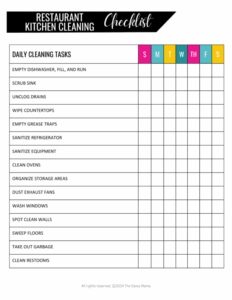
This is where a structured approach to identifying and mitigating these dangers becomes invaluable. A comprehensive kitchen restaurant risk assessment template serves as your roadmap, guiding you through the process of systematically evaluating every corner of your operation. It transforms a daunting task into a manageable series of steps, helping you safeguard your reputation, protect your team, and maintain the highest standards of food safety and hygiene.
Understanding the Pillars of Kitchen Safety
A robust risk assessment isn’t just about ticking boxes; it’s a deep dive into understanding and predicting potential problems before they escalate. It involves identifying every conceivable hazard, evaluating the likelihood and severity of harm they could cause, and then implementing effective control measures. This proactive approach cultivates a culture of safety that extends beyond mere compliance, embedding a sense of responsibility throughout your entire team.
Think about the dynamic environment of a professional kitchen. It’s a place of constant motion, high temperatures, and diverse tasks. Without a clear framework, it’s easy for potential issues to be overlooked, leading to accidents or health violations. By breaking down the complex array of activities into manageable categories, a risk assessment allows for a granular examination of each area.
Identifying Key Hazards
Recognizing what could go wrong is the first critical step. Hazards in a kitchen can be incredibly diverse, ranging from the obvious to the easily missed. It requires a keen eye and an understanding of both human behavior and equipment functionality within the space. A thorough identification process looks at everything from the moment ingredients arrive to when the finished dish leaves the pass.
- **Food Handling and Storage:** This includes cross-contamination, improper temperature control, inadequate thawing, and issues with allergen segregation.
- **Equipment Operation and Maintenance:** Hazards associated with sharp blades, hot ovens, deep fat fryers, faulty wiring, and pressure vessels.
- **Cleaning and Sanitation Protocols:** Risks from chemical exposure, insufficient cleaning leading to bacterial growth, and slippery floors from spills.
- **Emergency Procedures:** Lack of clear plans for fires, gas leaks, power outages, or serious injuries, and untrained staff in first aid.
- **Staff Training and Supervision:** Inadequate instruction on safe working practices, poor supervision leading to shortcuts, and a lack of awareness regarding personal protective equipment.
- **Ergonomic and Physical Hazards:** Slips, trips, falls, repetitive strain injuries from prolonged tasks, heavy lifting, and cuts or burns from general kitchen activities.
Once identified, each hazard needs to be evaluated. This involves assessing how likely an incident is to occur and what the potential impact would be. Is it a minor cut or a major burn? Is it a localized stomach upset or a widespread food poisoning outbreak? This evaluation helps prioritize risks, allowing you to focus your resources on the most critical areas first. Finally, effective control measures are put in place to eliminate, reduce, or manage these risks, ensuring a safer working and dining environment for everyone.
Crafting Your Own Robust Risk Assessment Process
Implementing a kitchen restaurant risk assessment template isn’t a one-off task; it’s an ongoing commitment to safety that evolves with your business. The beauty of a well-designed template is its ability to provide structure and consistency to this continuous process. It transforms what might feel like an overwhelming compliance burden into a practical, repeatable system for identifying, evaluating, and controlling risks within your specific kitchen environment.
The process begins with defining who will be responsible for conducting the assessment and how often it will be reviewed. Ideally, this task shouldn’t fall solely on one individual. Involving key staff members, from head chefs to line cooks, ensures a comprehensive perspective, as different roles offer unique insights into potential hazards and practical solutions. Regular reviews are crucial, especially after any significant changes to your menu, equipment, layout, or staffing, and certainly following any incidents, near misses, or feedback from health inspectors.
Essential Components of a Template:
- **Hazard Identification Section:** Clearly lists potential hazards in categories, prompting a thorough review.
- **Risk Assessment Matrix:** A simple tool to rate the likelihood and severity of each hazard, helping to prioritize.
- **Control Measures and Responsible Parties:** Details the actions to mitigate each risk, assigns responsibility, and sets target completion dates.
- **Review Dates and Sign-Offs:** Ensures accountability and that the assessment remains a living, updated document.
- **Emergency Contact Information:** Readily available details for critical services and key personnel.
Beyond simply avoiding penalties, leveraging a comprehensive kitchen restaurant risk assessment template brings numerous tangible benefits. It can significantly reduce employee injuries and associated compensation claims, lower insurance premiums, and enhance operational efficiency by minimizing disruptions caused by accidents or health violations. Moreover, it fosters a positive work environment where staff feel valued and safe, leading to higher morale and reduced turnover. It also protects your brand reputation, building trust with your customers who recognize your commitment to their well-being.
Ultimately, the effectiveness of your risk assessment hinges on its implementation and the ongoing training of your team. A template is merely a guide; the real work lies in embedding safety practices into daily routines. Regular training sessions, clear communication channels for reporting concerns, and consistent supervision are vital. When every team member understands their role in maintaining a safe kitchen, from proper knife handling to diligent cleaning, your restaurant becomes a truly secure and thriving place for both culinary excellence and customer satisfaction.
Proactive risk management is the cornerstone of any successful food service operation. By embracing a structured approach, you’re not just adhering to regulations; you’re actively creating a safer, more efficient, and more trustworthy environment. This commitment benefits everyone involved, from your dedicated kitchen staff to your valued customers, ensuring peace of mind with every dish served. Continuous vigilance and a willingness to adapt your safety protocols are key to maintaining a thriving and secure culinary space for years to come.