Ensuring the safety of your home and loved ones is a paramount concern for everyone. While we often think of fire safety in commercial settings, a domestic environment carries its own unique set of risks that deserve careful attention. Understanding where potential dangers lie and taking proactive steps to mitigate them can make all the difference in preventing a tragic incident. It is about creating a secure living space, free from avoidable hazards, and being prepared should the worst happen.
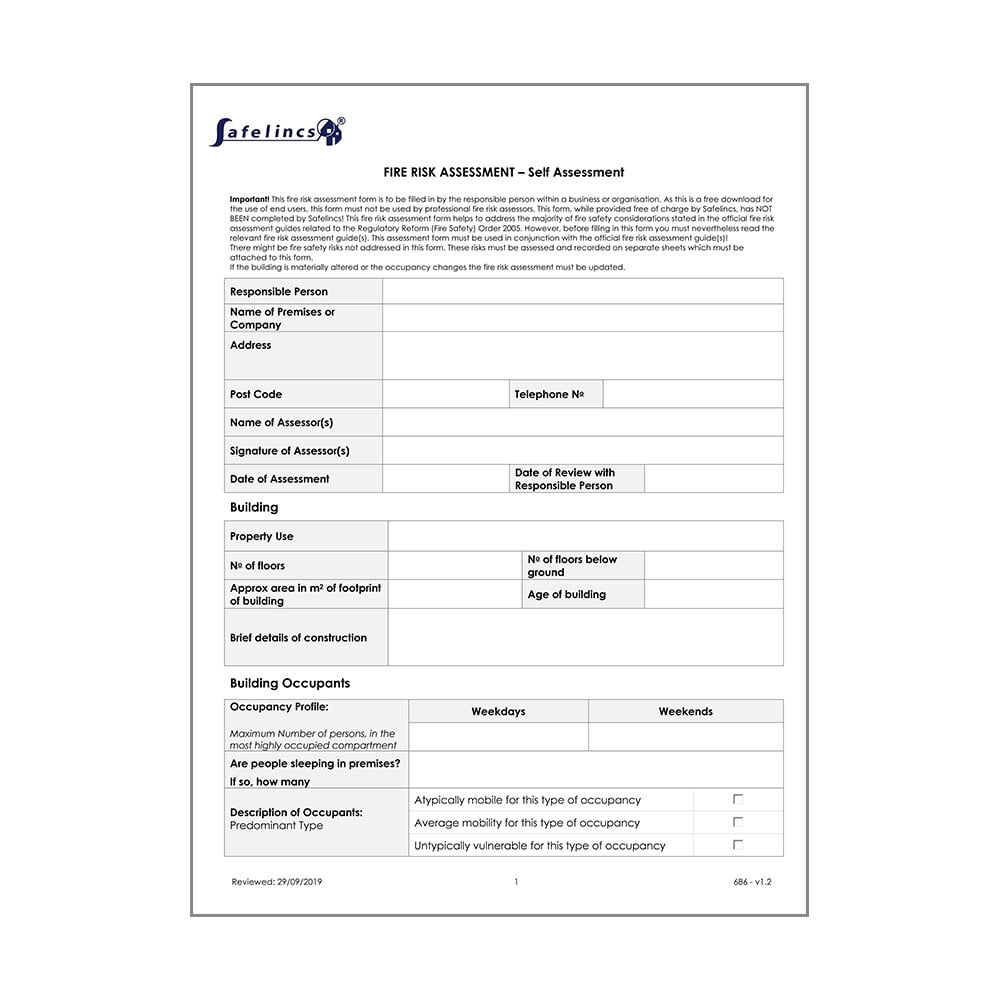
Taking a structured approach to home fire safety does not have to be complicated or overwhelming. Imagine having a clear checklist that guides you through every corner of your property, helping you spot the hidden risks and address them systematically. This is where a reliable domestic fire risk assessment template becomes incredibly valuable. It transforms a daunting task into a manageable process, empowering you to identify, evaluate, and control fire risks effectively, bringing peace of mind to your household.
Understanding Your Home’s Fire Risks
A domestic fire risk assessment is essentially a methodical look at your home to identify anything that could start a fire, anything that could fuel a fire, and anyone who might be at particular risk. Unlike larger buildings with complex regulations, a home assessment is typically about common sense and awareness. It is about recognizing that everyday items and habits can pose significant dangers if not managed properly. Think of it as a thorough spring clean for safety, making sure every potential problem area is considered and addressed.
Many homeowners might feel unsure where to begin when thinking about fire safety beyond installing a smoke alarm. The truth is, fire hazards are often hidden in plain sight, from overloaded electrical sockets to poorly stored flammable materials. Understanding these common sources of ignition and how fire can spread is the first crucial step towards creating a safer home environment. It is about developing a fire-safe mindset and applying it to your daily routines.
Key Areas to Check
When you undertake a domestic fire risk assessment, you will want to pay close attention to several key areas within your home. These are the places where fires most commonly start or where fire safety measures are often overlooked. A systematic review will help you pinpoint specific risks that you might not otherwise consider.
Here are some of the critical areas you should inspect:
- Cooking appliances and kitchen setup
- Electrical sockets, wiring, and appliance condition
- Heating systems, fireplaces, and portable heaters
- Storage of flammable liquids or combustible materials
- Smoking materials, candles, and open flames
- Escape routes and access to windows and doors
By methodically checking these points, you can build a comprehensive picture of your home’s specific vulnerabilities. A structured approach, like using a domestic fire risk assessment template, helps ensure that no stone is left unturned and all potential hazards are accounted for. This preparation is foundational to preventing fires and protecting everyone under your roof.
Creating Your Personalized Fire Safety Plan
Once you have identified the potential fire risks in your home, the next logical step is to develop a robust safety plan. This is not just about awareness; it is about taking concrete actions to reduce or eliminate those risks and establishing clear procedures should a fire occur. Your safety plan should be tailored to your specific home layout, the number of occupants, and any unique vulnerabilities you discovered during your assessment. This active mitigation is what transforms identified risks into a safer living situation.
Implementing your fire safety plan involves making practical changes and establishing new habits. This could range from simple fixes like moving a pile of newspapers away from a heater to more significant adjustments like installing additional smoke alarms or ensuring proper maintenance of your electrical system. Every action you take, no matter how small it may seem, contributes to a safer home environment and increases your household’s resilience against fire.
Consider these essential components for your home fire safety plan:
- Regularly test all smoke alarms and replace batteries as needed.
- Develop a clear escape plan and practice it with everyone in the household.
- Ensure all escape routes, including windows and doors, are always clear and accessible.
- Know the location of your utility shut-offs for gas and electricity.
- Keep a fire extinguisher or fire blanket accessible and know how to use it.
- Ensure all electrical appliances are in good repair and not overloaded.
- Store flammable liquids in appropriate containers and away from heat sources.
Regularly reviewing and updating your fire safety plan is just as important as creating it. As seasons change, new appliances are introduced, or family members move in or out, your risks might evolve. An annual review ensures that your plan remains relevant and effective, reflecting any changes in your living situation or home environment.
Taking the time to conduct a thorough fire risk assessment and implement a clear safety plan is an invaluable investment in your family’s security. It removes the guesswork from fire preparedness and replaces it with a confident, structured approach. By systematically identifying and addressing potential hazards, you are not just reacting to fears but proactively building a protective shield around your most cherished space. This dedication to safety helps ensure that your home remains a haven for everyone who lives there.