Ensuring safety within any environment whether it is a bustling office a quiet shop or even a community hall is paramount. Fire safety in particular stands out as a critical area that demands careful attention and proactive measures. It is not just about complying with regulations it is about protecting lives property and the continuity of operations. Understanding potential fire hazards and putting effective controls in place can make all the difference when seconds count.
Many people find the idea of conducting a fire risk assessment a bit daunting imagining complex procedures and lengthy documentation. However it does not have to be an overwhelming task. With the right approach and a clear structure even those without extensive fire safety experience can effectively identify and manage risks. This is precisely where a well-designed basic fire risk assessment template becomes an invaluable tool simplifying the process and ensuring all essential areas are covered.
Understanding the Basics of a Fire Risk Assessment
A fire risk assessment is essentially a careful look at your premises and the activities carried out there to identify anything that could cause a fire or endanger people in the event of one. Its main goal is to help you remove or reduce the risk of fire and to determine what protective measures and management arrangements are needed to ensure the safety of everyone. By law if you are responsible for a building or workplace you are also responsible for carrying out a fire risk assessment.
This assessment is not just a tick-box exercise. It is a dynamic process that helps you think systematically about fire safety. It involves more than just checking fire extinguishers it means looking at everything from the electrical systems to the storage of flammable materials and the escape routes available to people. The insights gained from this process are crucial for developing an effective fire safety plan tailor-made for your specific environment.
Key Steps in Your Assessment Journey
Embarking on a fire risk assessment involves a series of logical steps designed to provide a comprehensive overview of your fire safety landscape. Following these steps systematically helps ensure that no critical area is overlooked and that your findings are thorough and actionable. These stages form the backbone of any effective fire safety strategy guiding you from identification to implementation and review.
- Identify fire hazards: Look for sources of ignition fuel and oxygen that could lead to a fire.
- Identify people at risk: Consider who might be in danger including employees visitors and especially vulnerable individuals.
- Evaluate remove or reduce the risk: Take action to eliminate hazards or put control measures in place to minimize their impact.
- Record plan inform instruct and train: Document your findings create an emergency plan communicate it to all relevant parties and provide necessary training.
- Review and revise: Regularly check your assessment to ensure it remains valid and up-to-date especially after any significant changes to the premises or operations.
Each of these steps builds upon the last creating a robust framework for fire safety management. By diligently working through them you not only fulfill legal obligations but also cultivate a safer environment for everyone who uses your building. The output of this structured approach is a clear understanding of your risks and a proactive plan to manage them effectively.
Crafting Your Own Basic Fire Risk Assessment Template
While the principles of fire risk assessment are universal the specific details vary greatly from one location to another. This is where a customizable basic fire risk assessment template proves incredibly beneficial. It provides a consistent framework ensuring you cover all the essential ground without missing vital components while still allowing you to adapt it to the unique characteristics of your premises. A well-structured template brings order and clarity to a potentially complex task.
A template helps to standardize the assessment process making it repeatable and easier to understand for anyone who might need to refer to it. It ensures that every assessment starts from the same foundational questions leading to more consistent and reliable outcomes. Think of it as a guided tour through your fire safety considerations ensuring no important landmark is skipped on the journey to a safer environment.
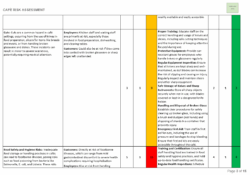
What should such a template typically include to be effective and truly helpful. Here are some key sections that are almost universally applicable and highly recommended for inclusion in your own basic fire risk assessment template:
- General information: Date of assessment location assessor name and contact details.
- Fire hazards identification: Sections to list sources of ignition sources of fuel and oxygen sources.
- People at risk: Details about the number of people in the building and specific considerations for vulnerable persons.
- Existing fire safety measures: A checklist for fire detection systems alarms emergency lighting fire extinguishers and escape routes.
- Evaluation of risk and actions required: Space to record findings identified risks and the specific actions needed to mitigate them.
- Responsible person and deadline for actions: Clear assignment of responsibility and timelines for implementing recommended improvements.
- Review date: A prompt to schedule the next review ensuring continuous compliance and safety.
Remember that a fire risk assessment is not a one-and-done activity. Your premises operations and the people within them can change over time. Therefore your basic fire risk assessment template should facilitate regular reviews and updates. It should be a living document that evolves with your environment reflecting any new risks or control measures. This ongoing commitment ensures that your fire safety strategy remains relevant and effective year after year.
Taking a systematic approach to fire safety with the aid of a structured template vastly simplifies the process and instills confidence in your ability to manage risks. It empowers you to proactively identify potential dangers implement effective controls and maintain a high standard of safety for everyone who steps foot in your building. The peace of mind that comes from knowing you have done everything possible to prevent a fire and protect lives is truly invaluable.
Embracing a clear and actionable fire risk assessment strategy is not just about meeting legal obligations it is a fundamental aspect of good management and responsible stewardship. By prioritizing fire safety and utilizing tools that streamline the process you create an environment where safety is woven into the very fabric of your operations safeguarding both people and property for the long term.