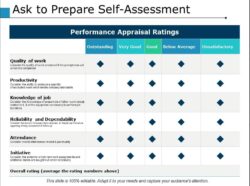
The annual performance review can often feel like a one-way street, with your manager delivering feedback and evaluating your past year. But what if you could take a more active role, shaping the conversation and highlighting your achievements and aspirations? This is where a well-crafted self-assessment comes into play, transforming a potentially daunting meeting into a collaborative discussion about your growth and contributions.
Taking the time to reflect on your performance isn’t just a formality; it’s a strategic move for your career development. It allows you to pause, acknowledge your successes, and identify areas where you’d like to improve. Using a structured approach, perhaps even a self assessment template for performance review, ensures you cover all the important ground, presenting a comprehensive and thoughtful overview of your professional journey.
Why Self-Assessment is a Game Changer for Your Career
Many of us approach performance reviews with a mix of anticipation and apprehension. We wait to hear what our manager has to say, often overlooking the immense power we hold to influence that very discussion. Self-assessment isn’t just about ticking boxes; it’s a critical opportunity to demonstrate your self-awareness, highlight your value, and steer the narrative of your professional development. It’s your chance to tell your story, in your own words, before anyone else does.
Imagine walking into your review meeting not just prepared to answer questions, but ready to lead with a clear, concise summary of your year. This proactive approach not only impresses your manager but also ensures that your hard work and achievements don’t go unnoticed. Often, managers are juggling many team members, and a thoughtful self-assessment can serve as an invaluable reminder of your specific contributions throughout the year, especially those from earlier months that might otherwise be forgotten.
Furthermore, the act of self-reflection itself is incredibly beneficial. It forces you to look back at your goals, revisit projects, and evaluate your impact. This introspection can reveal patterns in your work, uncover new strengths you hadn’t fully recognized, and pinpoint areas where you genuinely want to grow. It’s a personal growth exercise masquerading as a performance review task, making you a more thoughtful and strategic employee.
It’s not merely about recounting your past; it’s about projecting your future. When you articulate your areas for development and propose solutions or learning opportunities, you signal to your manager that you are invested in your own growth and the success of the team. This kind of initiative is highly valued and can significantly influence opportunities for advancement and new responsibilities within the organization.
Key Benefits of Utilizing a Self-Assessment
- Boosts Self-Awareness: Helps you understand your strengths, weaknesses, and preferred work styles more deeply.
- Empowers Your Voice: Provides a formal channel to articulate your accomplishments and challenges from your perspective.
- Facilitates Constructive Dialogue: Creates a foundation for a balanced and productive conversation with your manager.
- Identifies Growth Opportunities: Clearly outlines what you want to learn or improve, aiding in setting future goals.
- Showcases Initiative: Demonstrates your commitment to professional development and accountability.
Crafting an Effective Self-Assessment: Key Sections to Include
Now that we understand the immense value of self-assessment, let’s talk about what makes a great one. A truly effective self-assessment isn’t just a list of tasks completed; it’s a narrative that reflects your professional journey, your impact, and your aspirations. Think of it as your personal annual report, designed to provide a comprehensive and compelling overview of your year. Structuring your thoughts systematically will ensure you cover all crucial areas and present your insights clearly.
Start by revisiting your job description and any goals you set at the beginning of the review period. This forms the backbone of your evaluation. What were you expected to achieve? How well did you meet those expectations? Then, think about specific projects and initiatives. What was your role? What were the outcomes? Always strive to quantify your impact where possible. For instance, instead of saying “I helped improve customer satisfaction,” try “I led a project that reduced customer complaint resolution time by 15%.”
An excellent self assessment template for performance review will typically guide you through several core sections, ensuring a holistic evaluation. It’s vital not to shy away from areas where you feel you could have done better. Acknowledging challenges or areas for improvement demonstrates maturity and a commitment to growth, as long as you also propose a plan for how you intend to address them in the future. This shows proactivity rather than simply pointing out shortcomings.
Remember, this document is a reflection of you. Be honest, be thorough, and be strategic. It’s not about bragging, but about presenting a factual and insightful account of your contributions and development. The clearer and more thoughtful your self-assessment, the more valuable it will be not only for your manager but also for your own continuous professional development. It helps set the stage for meaningful goal setting for the upcoming period.
Consider the “STAR” method (Situation, Task, Action, Result) when detailing your achievements and handling challenges. This structured approach helps you provide context, explain your specific actions, and clearly articulate the positive outcomes. It allows your manager to easily grasp the full scope of your contributions and understand the impact you’ve made throughout the year, making your self-assessment much more impactful and credible.
- Key Achievements: Detail your most significant accomplishments, providing specific examples and quantifiable results whenever possible.
- Strengths and Core Competencies: Identify skills and qualities that contributed to your success and how you leveraged them.
- Areas for Development: Honestly assess where you need to improve, and importantly, outline a plan or goals for how you will address these.
- Challenges and Learning: Discuss obstacles you faced and what you learned from those experiences.
- Goals for the Next Period: Propose specific, measurable, achievable, relevant, and time-bound (SMART) goals for your future performance and development.
- Feedback for the Company/Manager: (Optional, but shows initiative) Offer constructive feedback on how the team or company could improve, if appropriate.
Embracing the practice of self-assessment is more than just another task on your annual to-do list; it’s an investment in your professional future. It empowers you to take ownership of your career narrative, ensuring your hard work is recognized and your aspirations are heard. By thoughtfully reflecting on your past performance and proactively planning for your future, you set the stage for a more productive and fulfilling professional journey.
Ultimately, a comprehensive self-assessment transforms the performance review from a mere evaluation into a powerful catalyst for growth and dialogue. It strengthens your relationship with your manager, clarifies your path forward, and solidifies your understanding of your own capabilities and potential. Take the reins of your career development, and watch how this simple yet profound exercise opens new doors for success.