Ensuring the safety and well-being of young children is undoubtedly the top priority for any preschool. From the moment little ones step through the doors until they are safely reunited with their families, every aspect of their environment needs to be carefully considered. It’s not just about reacting to incidents, but about proactively identifying potential hazards and putting measures in place to prevent them. This forward-thinking approach is fundamental to creating a nurturing and secure space where children can learn, play, and grow without unnecessary risks.

In a bustling preschool setting, potential risks can emerge in countless forms, from playground equipment and classroom materials to daily routines and even the weather. Managing these possibilities requires a systematic and consistent method. This is where a robust and easy-to-use system becomes invaluable. Having a dedicated way to regularly check and mitigate potential issues empowers staff to maintain high safety standards, offering peace of mind to parents and a truly safe haven for the children in their care. The implementation of a structured approach to identifying and addressing these daily concerns is not just good practice; it’s essential for operational excellence and child protection.
Why a Daily Risk Assessment is Crucial for Preschools
Operating a preschool involves a dynamic environment where new situations can arise constantly. A daily risk assessment isn’t just a tick-box exercise; it’s a living document that reflects the commitment to continuous vigilance. Imagine a sudden spill in the art area, a loose swing chain on the playground, or an unfamiliar visitor at pick-up time. Without a clear, systematic process for identifying and addressing these types of situations, minor issues could escalate into significant problems. Regular assessments ensure that potential hazards are spotted and dealt with before they can cause harm, fostering a culture where safety is embedded in every routine and decision.
Beyond immediate safety, a thorough risk assessment program helps preschools meet regulatory requirements and maintain their accreditation. Most licensing bodies require documented evidence of robust safety protocols, and a well-maintained preschool daily risk assessment template serves as irrefutable proof of due diligence. This not only protects the institution legally but also builds trust with parents. When families see that a preschool takes safety seriously, they are more confident entrusting their children to its care, knowing that every effort is made to safeguard their little ones from potential harm.
Furthermore, daily risk assessments actively engage staff in the safety process. When educators are responsible for conducting these checks, they become more attuned to their surroundings and more proactive in identifying potential issues. This increases overall safety awareness across the entire team, making everyone a guardian of the children’s well-being. It fosters a collective responsibility, moving beyond individual roles to a shared commitment to maintaining a secure and stimulating learning environment. This collaborative approach enhances the effectiveness of any safety policy significantly.
Consider the varied nature of potential risks. They aren’t always immediately obvious and can change based on the time of day, weather conditions, or even the activities planned. A structured approach helps cover all bases, ensuring that no stone is left unturned. This is particularly important for areas that might be overlooked during routine supervision. By systematically reviewing different zones and activities, staff can anticipate and mitigate problems proactively.
Key Areas to Monitor Regularly
- Indoor Learning Spaces: Checking for tripping hazards, secure furniture, electrical safety, and appropriate use of materials.
- Outdoor Playgrounds: Inspecting equipment for wear and tear, ensuring soft fall surfaces are adequate, and clearing debris.
- Kitchen and Food Preparation Areas: Verifying hygiene standards, proper storage, and allergen management.
- Restrooms and Changing Facilities: Ensuring cleanliness, adequate supplies, and privacy.
- Entry and Exit Points: Confirming security measures are in place and visitor protocols are followed.
Crafting Your Effective Preschool Daily Risk Assessment Template
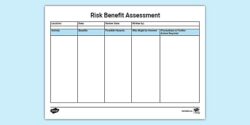
Developing a truly effective preschool daily risk assessment template isn’t about making it overly complicated; it’s about making it comprehensive yet user-friendly. The best templates are those that staff can quickly and easily integrate into their daily routine without feeling overwhelmed. It should cover all essential areas of the preschool environment, both indoors and outdoors, and be adaptable enough to account for specific activities or unusual circumstances. Think about breaking down the day into manageable chunks or areas, ensuring that each part of the facility and every common activity is systematically reviewed.
When designing your template, start by identifying broad categories of risk. These might include physical hazards, health and hygiene risks, security concerns, and even emotional or social risks. Within each category, list specific items or situations that need to be checked. For example, under “physical hazards” for the playground, you’d include things like “check swings for damage,” “inspect slides for obstructions,” or “ensure ground cover is sufficient.” Clear, concise language is crucial, avoiding jargon that might confuse staff and instead focusing on actionable checks.
Don’t forget to include sections for recording findings and actions taken. A template is not just for identifying risks but also for documenting that steps have been taken to mitigate them. This provides an audit trail, demonstrating due diligence and continuous improvement. It allows administrators to track recurring issues and implement more permanent solutions, turning a reactive process into a truly proactive safety management system. Moreover, it encourages accountability, as staff members are required to sign off on their checks, reinforcing their responsibility for maintaining a safe environment.
Finally, remember that a template is a living document. It should be reviewed and updated regularly, perhaps annually or whenever there are significant changes to the facility, equipment, or policies. Gather feedback from the staff who use it daily; their insights are invaluable for refining the template and making it even more practical and effective. Ongoing training for staff on how to use the preschool daily risk assessment template effectively is also vital. This ensures everyone understands its importance, knows exactly what to look for, and feels confident in reporting and addressing any identified risks.
- Identify specific risk categories and sub-categories relevant to your preschool.
- Use clear, simple language for all checks and instructions.
- Include space for notes, identified risks, and corrective actions taken.
- Ensure a section for the date, time, and the staff member performing the assessment.
- Establish a process for reviewing completed templates and addressing recurring issues.
- Provide regular training for all staff on template usage and risk identification.
Implementing a rigorous yet practical approach to daily safety checks profoundly impacts the overall quality of a preschool program. It signals a deep commitment to the welfare of every child, fostering an environment where curiosity and exploration can flourish without the constant shadow of preventable hazards. By integrating consistent risk assessments into the operational fabric, a preschool demonstrates professionalism and an unwavering dedication to providing the best possible start for its young learners.
Ultimately, a well-executed system for identifying and managing daily risks creates more than just a safe space; it builds a foundation of trust. Parents feel secure knowing their children are in capable hands, and staff feel empowered and supported in their critical role. This harmonious environment, built on proactive safety measures, allows children to thrive, experiment, and develop in a truly nurturing setting, paving the way for a positive and impactful early childhood experience.