Embarking on any learning journey or project, whether in an academic setting or a professional environment, often involves a natural desire for growth and improvement. Understanding where you stand, celebrating your strengths, and pinpointing areas for development are all crucial steps in this process. While external evaluations certainly have their place, the most profound insights often come from within or from those who share the trenches with you.
This is precisely where the invaluable practices of peer and self assessment come into play, offering a powerful lens through which to view performance, foster critical thinking, and cultivate a culture of continuous learning. They move beyond simple grading, encouraging a deeper engagement with the material and a more nuanced understanding of personal and collaborative efforts.
The Transformative Power of Internal Reflection and External Perspectives
At its core, embracing peer and self assessment means stepping into a more active role in the evaluation process, moving away from merely being a recipient of judgment to becoming an active participant in understanding quality. This shift empowers individuals to take ownership of their learning and contributions in a way traditional assessment methods often overlook. It encourages a level of introspection that can reveal hidden strengths and address overlooked weaknesses, leading to more targeted and effective personal development.
Self assessment, in particular, cultivates metacognition, which is essentially thinking about one’s own thinking. It asks individuals to pause and critically evaluate their efforts, processes, and outcomes. This practice sharpens their ability to identify what works, what doesnt, and why. It builds self awareness, a critical soft skill highly valued in all aspects of life, enabling individuals to articulate their learning journey and set realistic yet ambitious future goals.
Peer assessment, on the other hand, introduces a vital external perspective from someone who is often undergoing a similar experience. This allows for diverse viewpoints on a project or task, highlighting aspects that an individual might have missed. Giving constructive feedback to peers also hones communication skills, requiring clarity, empathy, and tact. When done effectively, it fosters a collaborative environment where everyone is invested in each others success, building a stronger team dynamic and a shared understanding of quality standards.
Combining both methods creates a holistic feedback loop. An individual first reflects internally on their work, then receives input from peers, and finally integrates both sets of information to form a comprehensive understanding. This iterative process not only improves the specific project at hand but also develops lifelong skills in self critique, collaboration, and adaptive learning, making every experience a stepping stone for future growth.
Key Benefits Youll Unlock
* Enhanced critical thinking
* Improved communication skills
* Greater personal accountability
* A deeper understanding of subject matter
* The ability to give and receive constructive feedback
Crafting Your Effective Peer and Self Assessment Template
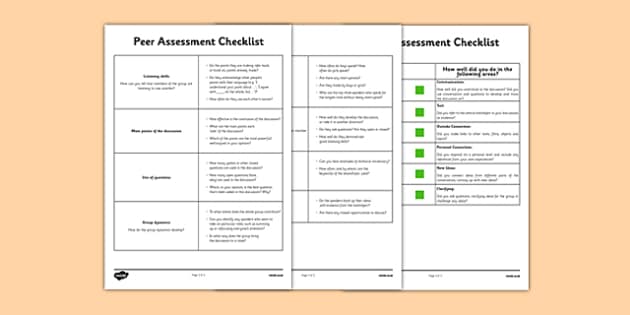
Developing a well structured peer and self assessment template is crucial for maximizing the benefits of these practices. A good template acts as a guide, ensuring consistency in evaluations, clarity in expectations, and actionable feedback. It removes ambiguity and provides a clear framework for reflection and review, making the entire process more efficient and impactful for everyone involved. Without a clear structure, assessments can become vague, unhelpful, or even counterproductive.
For self assessment, a template should prompt deep reflection rather than superficial review. It might start with open ended questions about effort, challenges faced, and lessons learned. Including sections for objective achievement and future goal setting helps individuals connect their current performance with their aspirations. The aim is to encourage honest self appraisal, identifying specific actions that contributed to success and pinpointing precise areas for improvement.
When designing the peer assessment component, clarity is paramount. The template should provide specific criteria for evaluation, ideally aligned with project goals or learning objectives. Using a rating scale for various aspects of performance, alongside space for qualitative comments, allows for both quantitative measurement and nuanced feedback. It is also important to guide peers to provide constructive criticism, focusing on specific behaviors or outcomes rather than personal judgments, thereby fostering a supportive rather than a critical environment. The goal of a robust peer and self assessment template is to facilitate growth.
Remember that an effective peer and self assessment template isnt a one size fits all solution. It should be adaptable to different contexts, whether it is for a school project, a team presentation, or an individual performance review. Providing clear instructions on how to use the template, offering examples of good feedback, and even conducting a brief training session can significantly improve the quality of responses. Regularly reviewing and refining your peer and self assessment template based on user feedback will ensure its continued relevance and effectiveness, making it an invaluable tool for continuous improvement.
* Clear instructions for assessors
* Specific criteria for evaluation
* Space for qualitative feedback
* A section for self reflection and goal setting
* Anonymity options for peer feedback (if appropriate)
Implementing peer and self assessment strategies can profoundly transform learning and development, shifting the focus from simply achieving a grade to cultivating a deeper understanding and personal accountability. It fosters an environment where individuals are not just consumers of knowledge but active participants in their own growth and the growth of those around them. This dual approach to evaluation strengthens critical thinking, enhances communication, and builds a powerful foundation for lifelong learning.
By thoughtfully integrating these practices, whether in an educational setting or a professional team, you are not just assessing outcomes but nurturing a culture of continuous improvement, collaboration, and self awareness. The insights gained through this process extend far beyond immediate project success, equipping individuals with essential skills that will serve them well in all future endeavors.