In today’s interconnected digital world, when we talk about cybersecurity, our minds often jump to external hackers and sophisticated state-sponsored attacks. But what if the biggest threat is already inside your organization, perhaps someone you see every day? Insider threats, whether malicious or unintentional, pose a significant and often underestimated risk to data, systems, and reputation, making them a top concern for security professionals globally.
Understanding and mitigating these internal dangers isn’t just a good idea; it’s a critical component of a robust security posture. That’s where a structured approach comes into play, making an insider threat risk assessment template an invaluable tool. It helps organizations systematically identify, evaluate, and prioritize the risks posed by individuals with authorized access, transforming a daunting task into a manageable and proactive process.
Understanding the Nuances of Insider Threats
When we discuss insider threats, it’s easy to picture a disgruntled employee intentionally stealing data. While that’s certainly one scenario, the reality is far more complex and multifaceted. An “insider” isn’t just a current employee; it could be a former staff member, a contractor, a vendor, or anyone who has been granted legitimate access to your organization’s systems, facilities, or sensitive information. Their actions, whether intentional or accidental, can lead to significant harm and compromise.
The motivations behind insider actions vary widely. Malicious insiders might seek financial gain, revenge, or competitive advantage. However, a large percentage of insider incidents stem from negligence or human error. Think about an employee falling for a phishing scam, misconfiguring a server, or simply losing an unencrypted device. These unintentional acts can be just as damaging, if not more so, than deliberate sabotage, making a comprehensive assessment crucial.
This broad definition means that an effective insider threat program cannot solely focus on monitoring for suspicious malicious activity. It must also encompass training, awareness, and robust security controls designed to prevent accidental data exposure or system vulnerabilities. Organizations need to cultivate a culture where security is everyone’s responsibility, and where potential risks are identified and reported without fear of reprisal.
To effectively assess and manage these risks, it helps to categorize the different facets of an insider threat. This provides a clearer framework for evaluation within your insider threat risk assessment template, allowing for a more targeted and efficient mitigation strategy.
Types of Insider Threat Scenarios
- **Malicious Insider:** An individual who intentionally uses their authorized access to harm the organization, steal data, or disrupt operations. This could range from data exfiltration to sabotage.
- **Negligent Insider:** Someone who, through carelessness, lack of awareness, or poor training, inadvertently creates a security vulnerability or causes a data breach. Examples include falling for phishing, misplacing sensitive information, or using weak passwords.
- **Accidental Insider:** Similar to negligent, but often due to a lack of understanding or incorrect procedure, leading to an unintended security event. This might involve mistakenly sharing confidential documents with external parties.
- **Compromised Insider:** An individual whose credentials or system access have been hijacked by an external actor, effectively turning them into an unwitting conduit for external attacks. This is often the result of sophisticated phishing or malware.
Crafting Your Insider Threat Risk Assessment Template
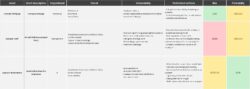
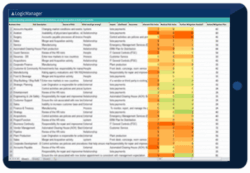
Developing or customizing an insider threat risk assessment template is about creating a systematic blueprint for identifying, analyzing, and mitigating internal risks. It’s not just a checklist; it’s a living document that guides your organization through a continuous process of understanding its unique threat landscape. A well-designed template ensures consistency, thoroughness, and helps you communicate risks effectively to stakeholders across various departments.
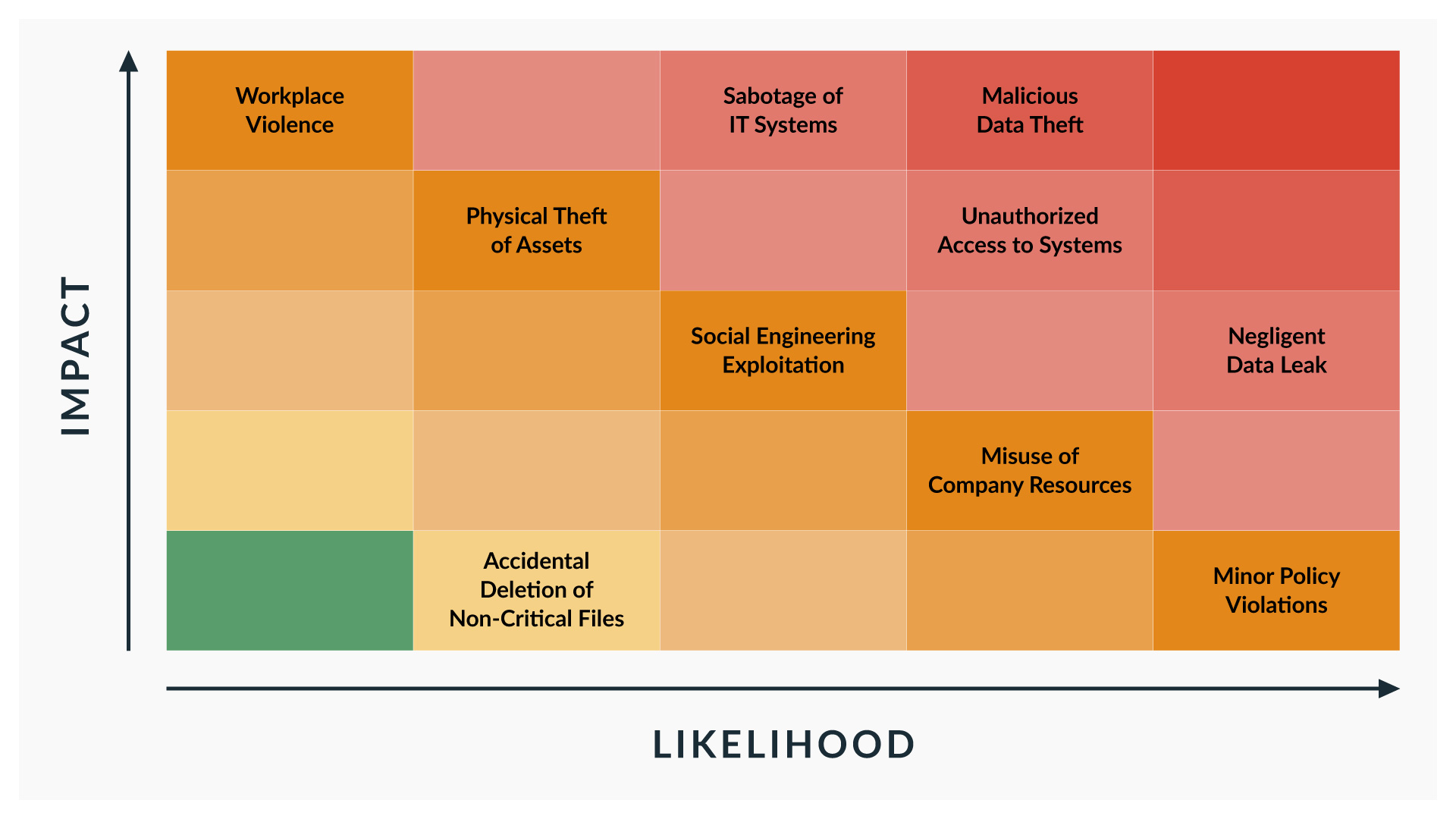
At its heart, your template should help you map out your critical assets, identify potential vulnerabilities related to insider access, evaluate the likelihood of different threat scenarios, and quantify their potential impact. This involves looking beyond just data, considering intellectual property, reputation, operational continuity, and compliance. Thinking holistically ensures you’re not overlooking any critical areas that an insider could exploit or inadvertently damage.
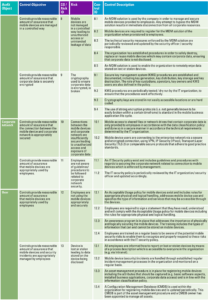
Once you’ve identified the risks, the next crucial step in using your template is to assess your existing controls and propose new ones. This isn’t a one-time exercise; it’s an iterative process. As your organization evolves, so do its risks, meaning your template should encourage regular reviews and updates. Effective controls might include a combination of technical safeguards, such as data loss prevention (DLP) and access controls, alongside administrative measures like robust HR policies and security awareness training.
Remember, no single department can tackle insider threats alone. Your template should facilitate collaboration across IT, HR, legal, and executive management. Each department brings a unique perspective and essential data points to the assessment process. By involving a cross-functional team, you ensure a comprehensive evaluation and foster a shared responsibility for security throughout the organization. This collaborative approach makes the resulting risk assessments far more robust and actionable.
Key Components of an Insider Threat Risk Assessment Template
- **Asset Identification:** List your critical data, systems, intellectual property, and physical assets that need protection.
- **Threat Scenarios & Vulnerabilities:** For each asset, identify plausible insider threat scenarios (malicious, negligent, compromised) and associated vulnerabilities (e.g., weak access controls, untrained staff, unmonitored privileged accounts).
- **Likelihood Assessment:** Evaluate the probability of each scenario occurring, considering factors like employee turnover, organizational culture, and existing controls.
- **Impact Analysis:** Determine the potential consequences if a threat materializes, including financial loss, reputational damage, legal penalties, and operational disruption.
- **Existing Controls & Gaps:** Document current security measures (technical, administrative, physical) and identify where they might be insufficient or absent.
- **Risk Scoring & Prioritization:** Combine likelihood and impact to assign a risk score, allowing you to prioritize which risks need immediate attention.
- **Mitigation Strategies:** Outline specific actions, new controls, or policy changes required to reduce identified risks to an acceptable level.
- **Responsible Parties & Timeline:** Assign ownership for mitigation tasks and set realistic deadlines for implementation.
- **Review & Update Schedule:** Establish a regular cadence for reviewing and updating the risk assessment to reflect changes in your environment.
The journey to a secure environment is ongoing, and proactively addressing internal vulnerabilities is a cornerstone of that journey. Leveraging a well-structured template provides clarity and direction, transforming an often-abstract concept into a concrete, actionable plan. It helps organizations not just react to incidents, but to anticipate and prevent them, safeguarding their most valuable assets from within.
By consistently applying the principles outlined in an insider threat risk assessment template, organizations can build resilience, foster a stronger security culture, and ensure that their defenses are robust enough to withstand the diverse challenges posed by both intentional and unintentional insider actions. This systematic approach is not merely a compliance exercise; it’s an investment in sustained organizational integrity and trust.