Navigating the complex landscape of regulations and ethical standards can feel like walking through a minefield for any organization. Staying on the right side of the law isn’t just about avoiding penalties it’s about safeguarding your reputation fostering trust and ensuring sustainable growth. But how do you proactively identify potential pitfalls before they become full-blown crises?
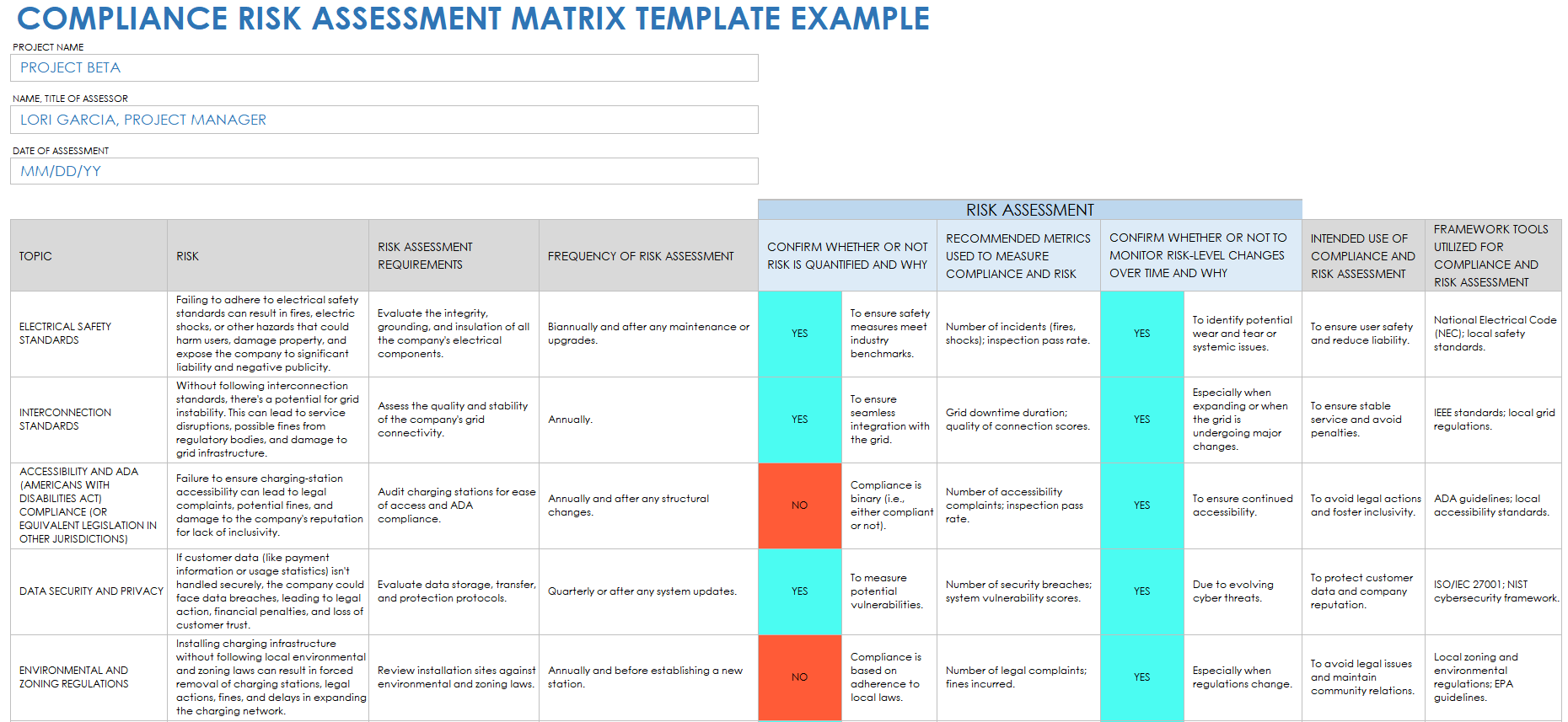
This is where a structured approach becomes invaluable. Understanding your organization’s unique exposure to regulatory and ethical challenges requires more than just a passing glance. It demands a systematic and thorough examination a process designed to shine a light on vulnerabilities and guide you toward stronger controls. Let’s explore how you can effectively manage these risks.
Understanding the Core of Compliance Risk
At its heart compliance risk refers to the potential legal or reputational damage that can arise from failing to adhere to laws regulations internal policies or ethical standards. Think about data privacy anti-money laundering environmental regulations or even workplace safety rules. Each area presents a distinct set of requirements and potential non-compliance points that could severely impact your business.
Assessing these risks isn’t merely a tick-box exercise. It’s about understanding the likelihood of a specific non-compliance event occurring and the potential impact if it does. This dual perspective allows organizations to prioritize their efforts focusing resources on the areas that pose the greatest threat. Without a clear picture of these risks you’re essentially operating in the dark hoping for the best.
Key Components of an Effective Template
So what does a robust framework look like? A good template provides a structured way to break down complex risks into manageable components. It helps you categorize identify and evaluate allowing for consistent application across different departments or business units. Here are some essential elements you should expect to find or incorporate.
- Risk Categories Identification Systematically list and define various types of compliance risks relevant to your industry and operations such as regulatory operational financial or ethical risks.
- Likelihood and Impact Rating Establish clear criteria for scoring the probability of a risk occurring and the severity of its potential consequences usually on a numerical or qualitative scale.
- Control Effectiveness Evaluation Assess the existing controls in place to mitigate identified risks and determine how effective they are in reducing exposure.
- Action Plan Development For any risks deemed high or medium outline specific steps owners and timelines for further mitigation or remediation.
- Reporting Mechanisms Define how assessment results will be documented communicated to stakeholders and reviewed by leadership.
By meticulously working through these components a well-designed corporate compliance risk assessment template empowers your organization to move beyond reactive measures. It transforms the daunting task of compliance into a manageable proactive strategy ensuring that potential issues are identified and addressed before they escalate. This systematic approach saves time money and protects your brand’s integrity.
Building Your Own Compliance Risk Assessment Framework
Creating an effective compliance risk assessment framework isn’t a one-size-fits-all endeavor. While a template provides an excellent starting point the real value comes from tailoring it to your organization’s specific context size industry and risk appetite. Begin by defining the scope of your assessment clearly outlining which departments processes or regulations will be included in the review.
Next gather comprehensive data. This might involve reviewing existing policies conducting interviews with key personnel analyzing past incidents or leveraging industry benchmarks. The quality of your assessment directly correlates with the quality and breadth of the information you collect. Don’t be afraid to dig deep as hidden risks are often the most damaging.
Crucially involve stakeholders from various levels and departments. Compliance isn’t solely the responsibility of the legal team. Engaging operations finance HR and IT ensures a holistic view of risks and fosters a culture of shared responsibility. Their insights can uncover nuances that might otherwise be missed making your assessment far more robust and actionable.
- Define Your Scope Clearly Understand what you are assessing whether it’s an entire organization a specific business unit or a new project.
- Identify Applicable Regulations and Laws List all relevant legal and regulatory obligations that apply to your operations.
- Engage Key Departments and Personnel Solicit input from those on the front lines who understand daily operations and potential points of failure.
- Regularly Review and Update Your Assessment Compliance risks are not static. Schedule periodic reviews and update your framework to reflect new regulations business changes or emerging threats.
Implementing and regularly refining your approach means your organization can stay ahead of the curve. A robust corporate compliance risk assessment template isn’t just a document; it’s a living tool that helps you adapt to an ever-changing regulatory environment. It shifts your focus from merely reacting to potential issues to actively preventing them fostering a more resilient and ethically sound business operation.
Ultimately proactive compliance management is about peace of mind. It allows your leadership to make informed decisions allocating resources effectively and building a business that can withstand scrutiny. By consistently assessing and mitigating your compliance risks you’re not just avoiding trouble you’re actively building a stronger more trustworthy enterprise.
Embracing a systematic framework for identifying and addressing potential compliance vulnerabilities is a strategic investment. It enhances operational efficiency protects financial stability and strengthens your company’s reputation in the long run ensuring that you’re well-prepared for whatever challenges the future may hold.