Navigating the special education process for your child can feel like a daunting journey, filled with unfamiliar terminology and procedures. As a parent, recognizing that your child may need additional support is the first crucial step, and formally requesting an evaluation is often the gateway to receiving those services. This article provides a comprehensive iep evaluation request letter template and guides you through the process of advocating effectively for your child’s educational future.
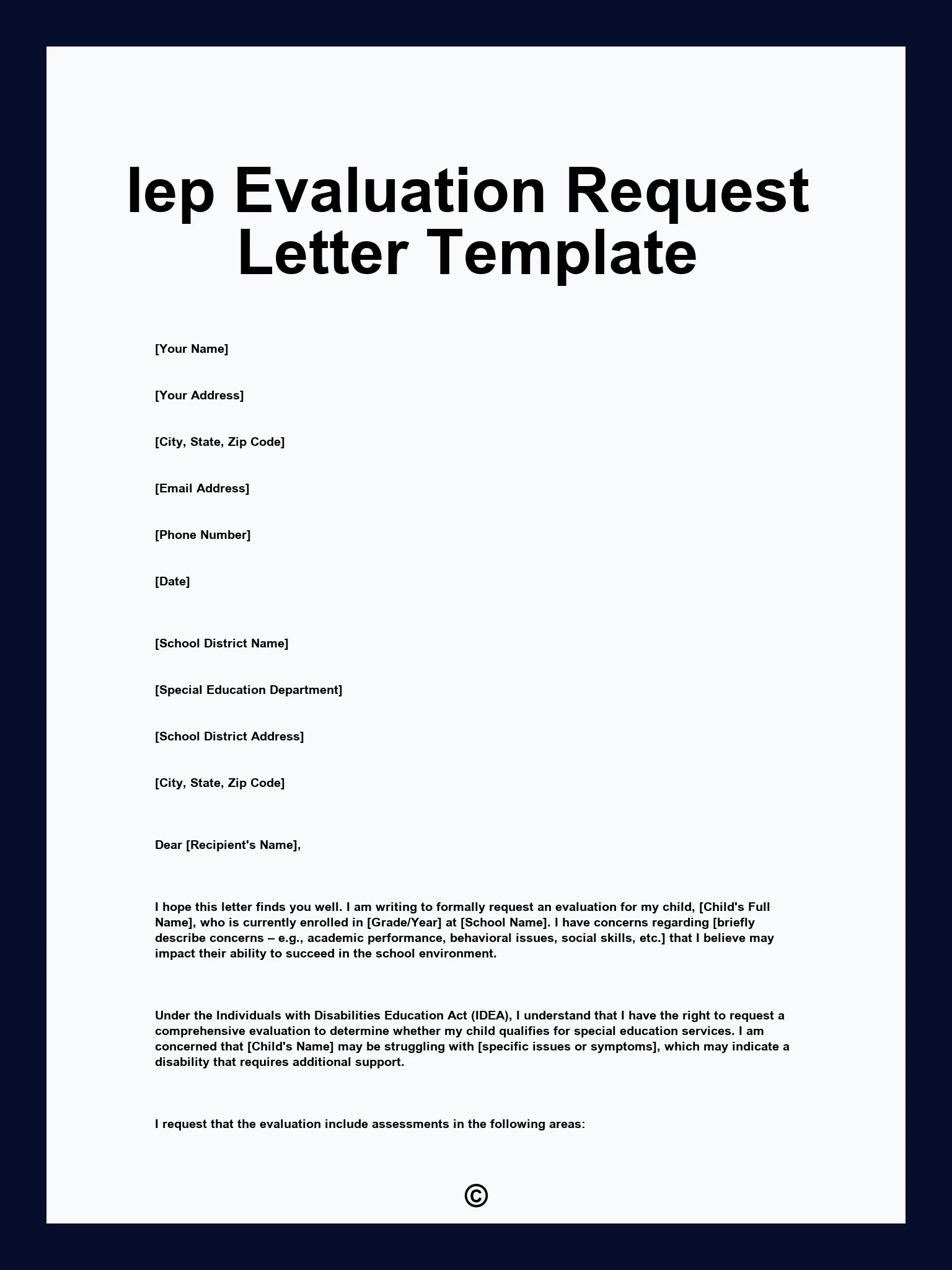
Understanding how to initiate this vital step is key to unlocking necessary resources and support. We’ll delve into why a formal request is so important, what details to include in your letter, and offer a practical, easy-to-use iep evaluation request letter template to simplify this critical communication with your child’s school district. Empower yourself with the knowledge and tools needed to ensure your child’s needs are recognized and addressed.
Understanding the Special Education Evaluation Process
When a child consistently struggles in school, whether academically, socially, or behaviorally, parents often wonder what steps to take next. Recognizing these challenges is essential, and seeking a formal special education evaluation can provide clarity and open doors to specialized support. This evaluation determines if your child has a disability that impacts their education and if they qualify for an Individualized Education Program (IEP).
The process officially begins when the school district receives a formal request for evaluation. This written request triggers a timeline for the school to respond and begin the assessment process, ensuring your parental rights are upheld. Without a written request, the school district is not legally obligated to initiate an evaluation, highlighting the importance of proper documentation from the outset.
Why a Formal Request is Crucial
Submitting a formal written request for a special education evaluation is more than just a formality; it is a critical legal step. This document serves as official notice to the school district, initiating specific timelines under federal law, such as the Individuals with Disabilities Education Act (IDEA). It ensures that the school acknowledges your concerns and begins their responsibilities promptly.
A written request creates a clear paper trail, documenting the date your concerns were officially communicated. This documentation can be invaluable if any disputes arise regarding the timeliness or thoroughness of the evaluation process. It legally obligates the school to consider your request seriously and respond within the mandated timeframe, typically requiring them to seek consent for an evaluation within 15 days of your letter.
Key Components of Your Evaluation Request
To ensure your request is clear and comprehensive, several key pieces of information should be included in your letter. Providing these details upfront helps the school district understand your concerns and accurately identify your child. This also streamlines the process and avoids unnecessary delays.
Your letter should clearly state your child’s full name, date of birth, and current school and grade level. Importantly, describe your specific concerns about your child’s academic performance, behavior, or developmental progress in concrete terms. Conclude by explicitly requesting a comprehensive special education evaluation to determine eligibility for special education services, using clear and unambiguous language.

Sample Iep Evaluation Request Letter Template
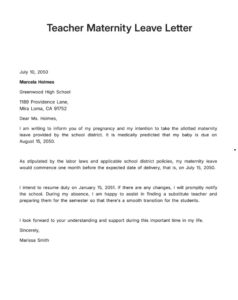
Below is a comprehensive iep evaluation request letter template you can adapt for your specific situation. Remember to replace the bracketed information with your child’s details and your particular concerns. Sending this letter via certified mail with a return receipt requested is highly recommended for official documentation.
[Your Name]
[Your Address]
[Your City, State, Zip Code]
[Your Phone Number]
[Your Email Address]

[Date]

[Principal's Name], Principal
[School Name]
[School Address]
[School City, State, Zip Code]

Dear Principal [Principal's Last Name],

I am writing to formally request a comprehensive special education evaluation for my child, [Child's Full Name], who is currently in the [Grade Level] grade at [School Name]. My child's date of birth is [Child's Date of Birth].

I have several concerns regarding [Child's Full Name]'s academic progress and overall performance in school. Specifically, I have observed [briefly list 2-3 specific concerns or areas of struggle, e.g., difficulty with reading comprehension, consistent struggles with math concepts, challenges with social interactions, frequent emotional outbursts, difficulty focusing in class]. These concerns have been present since [mention when you first noticed them, e.g., the beginning of the school year, last semester].

I have also [mention any previous actions you've taken, e.g., spoken with the teacher, implemented strategies at home, noticed a decline in grades]. Despite these efforts, [Child's Name] continues to struggle in [specific subjects or areas, e.g., English language arts, social studies, managing classroom transitions]. I believe a formal evaluation is necessary to determine if [Child's Name] has a disability that impacts their ability to learn and to assess if they are eligible for special education and related services under the Individuals with Disabilities Education Act (IDEA).

I understand that once this request is received, the school district has a responsibility to respond within a specific timeframe. I am requesting that the school district complete a comprehensive evaluation in all suspected areas of disability, including but not limited to [list specific areas, e.g., academic achievement, cognitive processing, speech and language, social-emotional development, occupational therapy, physical therapy].

Please provide me with a written Parental Consent for Evaluation form promptly so that we can proceed with this crucial assessment. I am available to meet with you and the school team to discuss this request further at your earliest convenience. You can reach me by phone at [Your Phone Number] or by email at [Your Email Address].

Thank you for your immediate attention to this important matter. I look forward to your prompt response and working collaboratively to support my child's educational needs.

Sincerely,

[Your Name]
[Parent/Guardian of Child's Full Name]
Tips for Effective Communication with the School District
Once you’ve sent your iep evaluation request letter template, effective communication with the school district remains paramount. Keep a professional and collaborative tone, even if you feel frustrated. Remember that the goal is to work together to support your child’s educational journey and ensure they receive the services they need to thrive.
Maintaining a clear and consistent communication log can prevent misunderstandings and provide valuable documentation. Every interaction, whether by phone, email, or in person, should be recorded with dates, names, and a summary of what was discussed. This practice establishes a comprehensive record of your advocacy efforts and the school’s responses.
What Happens After Submitting the Request
After you submit your evaluation request, the school district will review it and typically provide you with a “Prior Written Notice” and a “Consent for Evaluation” form. This consent form allows the school to begin the formal assessment process. You usually have 15 days from the date of your request for the school to provide you with the consent form.
Once you sign and return the consent form, the school district has a set period, often 60 calendar days, to complete all necessary evaluations and hold an eligibility meeting. During this time, various specialists, such as school psychologists, special education teachers, and speech therapists, will assess your child. An eligibility meeting will then be scheduled to discuss the evaluation results and determine if your child qualifies for special education services.
Documenting Your Interactions
Thorough documentation of all communications is a cornerstone of effective advocacy. Keep a dedicated folder, either physical or digital, for all correspondence related to your child’s special education process. This includes copies of your initial iep evaluation request letter template, any replies from the school, email exchanges, and notes from phone calls or meetings.
For every meeting, make sure to request a copy of the meeting minutes. If you disagree with any part of the minutes, you have the right to submit a written statement of your concerns to be attached to the official record. Consistent documentation helps ensure accountability and provides a factual timeline of events, protecting your rights and those of your child.
Advocating for your child’s educational needs can be a powerful and rewarding experience, particularly when you are equipped with the right tools and information. Utilizing a clear and well-structured iep evaluation request letter template is an essential first step in initiating the special education evaluation process. This foundational document ensures your concerns are formally recognized, setting the stage for a collaborative partnership with the school district to assess and address your child’s unique learning requirements.
Taking proactive steps like sending a formal request empowers you as a parent and helps to secure the comprehensive support your child deserves. Remember that your voice is vital in this process, and by staying organized and informed, you can effectively navigate the system. Do not hesitate to use the provided resources, including the iep evaluation request letter template, to advocate for a full and fair evaluation that can unlock your child’s potential within the educational system.