Keeping things running smoothly, whether it is in your home or a bustling business, often feels like a constant juggling act. When something breaks down unexpectedly, it not only causes frustration but can also lead to significant costs, wasted time, and even safety hazards. That is where the power of proactive care comes into play, ensuring that instead of reacting to problems, you are preventing them from happening in the first place.

This foresight is precisely what preventive maintenance aims to achieve. By regularly inspecting, servicing, and optimizing your assets, you can drastically extend their lifespan, improve efficiency, and maintain a safer environment for everyone involved. And when it comes to finding the sweet spot between too frequent and too infrequent checks, a monthly rhythm often proves to be just right, providing consistent care without overwhelming resources.
Why a Monthly Preventive Maintenance Schedule is Crucial
Implementing a monthly preventive maintenance schedule is more than just a good idea; it is a fundamental strategy for operational excellence and long-term savings. Imagine avoiding a costly repair on an essential piece of equipment simply because a minor issue was identified and fixed during a routine monthly check. This proactive approach helps you catch small problems before they escalate into major breakdowns, which can halt operations, frustrate customers, and significantly impact your bottom line.
Beyond just preventing failures, regular maintenance contributes to the overall health and efficiency of your assets. Well-maintained machinery and systems tend to operate at peak performance, consuming less energy and delivering consistent results. This not only translates to reduced utility bills but also ensures that your equipment is always ready to perform its intended function without unexpected hiccups. It builds reliability into your operations, fostering trust and confidence among employees and clients alike.
Furthermore, a consistent maintenance program plays a vital role in safety. Faulty equipment can pose serious risks, from electrical hazards to mechanical failures that could lead to injuries. By adhering to a structured schedule, you are actively mitigating these dangers, ensuring that all components are in good working order and complying with safety standards. This commitment to safety protects your people and reduces the risk of liability issues, creating a secure environment for everyone.
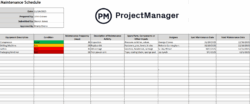
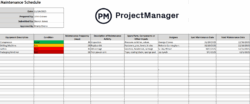
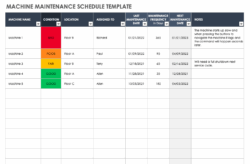
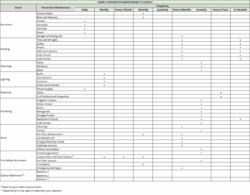
The beauty of a well-designed monthly preventive maintenance schedule template lies in its ability to standardize these crucial tasks. It removes the guesswork and ensures that every necessary check is performed consistently, regardless of who is performing the task. This systematic approach guarantees nothing is overlooked and that your assets receive the attention they need precisely when they need it.
Key Elements of an Effective Monthly PM Template
- Asset Identification: Clearly define the equipment, system, or area being maintained.
- Specific Tasks: Detail the exact actions to be performed for each asset (e.g., check fluid levels, clean filters, lubricate moving parts).
- Required Tools and Materials: List any specific tools, lubricants, or replacement parts needed for the task.
- Estimated Time: Provide an approximate duration for each maintenance task to aid in scheduling.
- Assigned Personnel: Indicate who is responsible for carrying out each specific task.
- Completion Status: A simple checkbox or field to mark when a task has been completed.
- Notes/Observations: A section for recording any unusual findings, further actions needed, or critical observations.
- Date of Completion: The date when the maintenance task was successfully finished.
Crafting and Utilizing Your Monthly Preventive Maintenance Schedule Template
Creating a truly effective monthly preventive maintenance schedule template does not have to be a daunting task. The first step involves a comprehensive inventory of all the assets, equipment, and systems that require regular attention. Think about everything from the large industrial machinery in a factory to the air conditioning units in an office, or even critical appliances in a rental property. Documenting each item is essential, as this forms the backbone of your maintenance plan.
Once you have a clear list of assets, the next crucial step is to define the specific maintenance tasks for each. This might involve consulting manufacturer recommendations, safety guidelines, or even drawing on the experience of your technicians. For example, an HVAC unit might require filter changes, coil cleaning, and checking refrigerant levels, while a vehicle might need oil checks, tire pressure adjustments, and brake inspections. Break these down into actionable, straightforward steps that anyone following the template can understand and execute.
After defining the tasks, you will need to assign responsibilities and set up a tracking mechanism. Who will be performing these checks? Is it an in-house team, a dedicated individual, or an external contractor? Clearly assigning roles ensures accountability and prevents tasks from falling through the cracks. The template itself should have fields for recording completion dates, technician names, and any observations made during the maintenance process. This documentation is invaluable for historical tracking, troubleshooting, and demonstrating compliance.
Finally, remember that a monthly preventive maintenance schedule template is not a static document; it is a living tool that should evolve with your needs. Regularly review your schedule, perhaps quarterly or annually, to assess its effectiveness. Are there tasks that are no longer necessary? Are there new assets that need to be added? Have specific pieces of equipment shown a pattern of issues that suggests a need for more frequent attention? Adjusting your template based on real-world performance data ensures it remains relevant and maximally beneficial over time, continually optimizing your maintenance efforts.
Embracing a proactive approach through a well-structured schedule is a cornerstone of operational resilience and efficiency. By systematically addressing potential issues before they escalate, you are not just saving money; you are investing in the longevity and reliability of your assets. This commitment to consistent care paves the way for smoother operations and a more predictable future.