Running a food business means juggling a lot of responsibilities, from sourcing ingredients to managing staff and delighting customers. Amidst the daily hustle and bustle, one critical aspect that can never be overlooked is cleanliness. A sparkling clean kitchen and dining area aren’t just about making a good impression; they are fundamental to food safety, regulatory compliance, and protecting your brand’s reputation. Ignoring proper cleaning protocols can lead to serious health hazards, hefty fines, and irreparable damage to consumer trust.

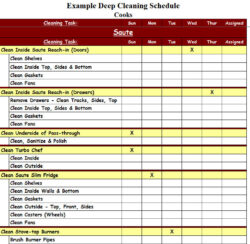
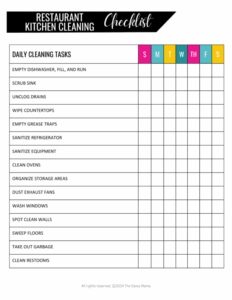
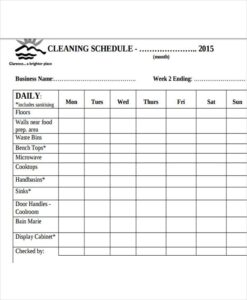
That’s where a well-structured food business cleaning schedule template becomes your secret weapon. It provides a clear, organized framework that ensures every corner of your establishment receives the attention it needs, transforming a daunting task into a manageable routine. Implementing such a system fosters accountability among your team, streamlines operations, and ultimately provides peace of mind that you’re consistently meeting the highest standards of hygiene.
Why a Robust Cleaning Schedule is Non-Negotiable for Your Food Business
Imagine the scene: a busy lunch rush, orders flying out, and satisfied customers enjoying their meals. Behind this seamless operation lies a foundation of meticulous preparation and, crucially, cleanliness. A robust cleaning schedule is not merely a suggestion; it’s an absolute necessity for any food establishment. It serves as your primary defense against foodborne illnesses, which can devastate a business both financially and reputationally. By adhering to a comprehensive cleaning regimen, you actively prevent the growth and spread of harmful bacteria, viruses, and other pathogens that thrive in unhygienic environments.
Beyond immediate health risks, a detailed cleaning schedule ensures you remain compliant with local and national health regulations. Health inspectors conduct periodic checks, and failing to meet their standards can result in warnings, fines, or even the temporary closure of your business. Having a documented cleaning schedule demonstrates your commitment to food safety and provides tangible proof of your ongoing efforts, making inspections far less stressful and significantly more likely to pass without issue. It shows you’re proactive, organized, and serious about public health.
Furthermore, a clean environment boosts staff morale and efficiency. When employees work in an organized and sanitary space, they are more productive and take greater pride in their work. A clear schedule removes ambiguity about who is responsible for what, minimizing downtime and avoiding missed tasks. It creates a culture where cleanliness is a shared priority, rather than an afterthought, contributing to a smoother workflow and a more harmonious working atmosphere. It also safeguards your equipment, extending its lifespan by preventing the buildup of grime and corrosion that can lead to costly repairs or premature replacements.
Ultimately, your customers notice cleanliness. It’s often one of the first things they observe when they walk into your establishment. A spotless dining area, gleaming counters, and fresh-smelling restrooms communicate a profound message: you care about their experience, their health, and your business. This builds trust and loyalty, encouraging repeat visits and positive word-of-mouth recommendations, which are invaluable for sustained success in the competitive food industry.
Key Elements to Include in Your Template
- Specific Area or Equipment to be Cleaned: Clearly identify what needs attention, such as “kitchen floors,” “deep fryer,” “restroom sinks,” or “reach-in refrigerator.”
- Detailed Cleaning Task: Provide step-by-step instructions for each task, including specific products or tools to be used, e.g., “Scrub and sanitize cutting boards with commercial sanitizer.”
- Cleaning Frequency: Specify how often the task should be performed (e.g., daily, twice daily, weekly, monthly, quarterly).
- Assigned Staff Member or Role: Clearly state who is responsible for completing the task to ensure accountability.
- Estimated Time for Completion: Giving a rough time can help with scheduling and resource allocation, ensuring tasks are completed thoroughly.
- Sign-Off and Date/Time Completed: A space for the employee to initial or sign and date upon completion, providing a verifiable record.
Building Your Customized Food Business Cleaning Schedule Template
Creating an effective cleaning schedule starts with a thorough assessment of your entire food establishment. Walk through every area, from the front-of-house dining space to the kitchen, storage rooms, and restrooms. Think about all surfaces, equipment, and utensils that come into contact with food or customers. Consider the specific type of food you serve and the volume of your operations, as these factors will influence the frequency and intensity of cleaning required. Documenting every item and area will form the backbone of your personalized food business cleaning schedule template.
Once you have a comprehensive list, categorize tasks based on their required frequency. Daily tasks typically involve high-contact surfaces, floors, and waste disposal. Weekly tasks delve deeper, addressing areas that accumulate grime more slowly, like oven interiors or sanitizing walk-in refrigerators. Monthly or quarterly tasks might include deep cleaning grease traps, professional hood cleaning, or descaling dishwashers. This layered approach ensures that routine maintenance keeps things tidy, while periodic deep cleaning prevents major issues from developing.
Crucially, involve your team in the development and implementation of the schedule. Their practical insights into daily operations can be invaluable in identifying potential overlooked areas or suggesting more efficient cleaning methods. Once finalized, ensure the schedule is clearly communicated, easily accessible to all staff, and that adequate training is provided on proper cleaning techniques and the safe use of cleaning chemicals. Regular training sessions reinforce the importance of hygiene and ensure consistency in cleaning standards across your entire team.
Finally, remember that a cleaning schedule is not a static document. Your business evolves, equipment changes, and new regulations might emerge. It’s essential to periodically review and update your food business cleaning schedule template to reflect these changes. Conduct weekly or monthly checks to ensure tasks are being completed, gather feedback from staff, and make adjustments as needed. This ongoing refinement process guarantees that your cleaning schedule remains relevant, effective, and a true asset to your business’s success.
- Daily Cleaning Tasks: Wipe down all food preparation surfaces and cutting boards, sweep and mop kitchen floors, empty all waste bins, sanitize sinks and faucets, clean and sanitize coffee machines and beverage dispensers, wipe down dining tables and chairs, clean public restrooms.
- Weekly Cleaning Tasks: Deep clean fryers and griddles, scrub and sanitize walk-in refrigerators and freezers, descale dishwashers, clean all kitchen walls and backsplashes, wash floor mats, clean oven interiors, sanitize all food storage containers.
- Monthly Cleaning Tasks: Clean and sanitize grease traps, deep clean ventilation hoods and filters, clean behind and under heavy kitchen equipment, wash windows and glass doors, clean and sanitize ice machines, check and clean pest control traps.
- Quarterly or Annual Cleaning Tasks: Professional duct cleaning, comprehensive pest control inspection and treatment, deep cleaning of carpets and upholstery, full kitchen deep clean including walls, ceilings, and difficult-to-reach areas, servicing and calibration of cleaning equipment.
Implementing a well-thought-out cleaning schedule is more than just ticking boxes; it’s a strategic investment in the longevity and reputation of your food business. It protects your customers, your employees, and your bottom line from the risks associated with poor hygiene. By proactively managing cleanliness, you cultivate an environment where quality and safety are paramount, reinforcing consumer confidence and fostering a thriving establishment.
Embracing a systematic approach to cleaning ensures that you’re always prepared for the unexpected, from a busy weekend rush to a routine health inspection. It streamlines operations, empowers your team, and ultimately allows you to focus on what you do best: serving delicious food and creating memorable experiences for your patrons, all while enjoying the peace of mind that comes from a spotless operation.