Ever found yourself facing an unexpected equipment breakdown at your facility, leading to costly repairs, operational delays, and a whole lot of stress? It’s a common scenario, but one that’s largely avoidable. The key lies in shifting from a reactive approach, where you only fix things when they break, to a proactive one that anticipates and prevents issues before they happen.
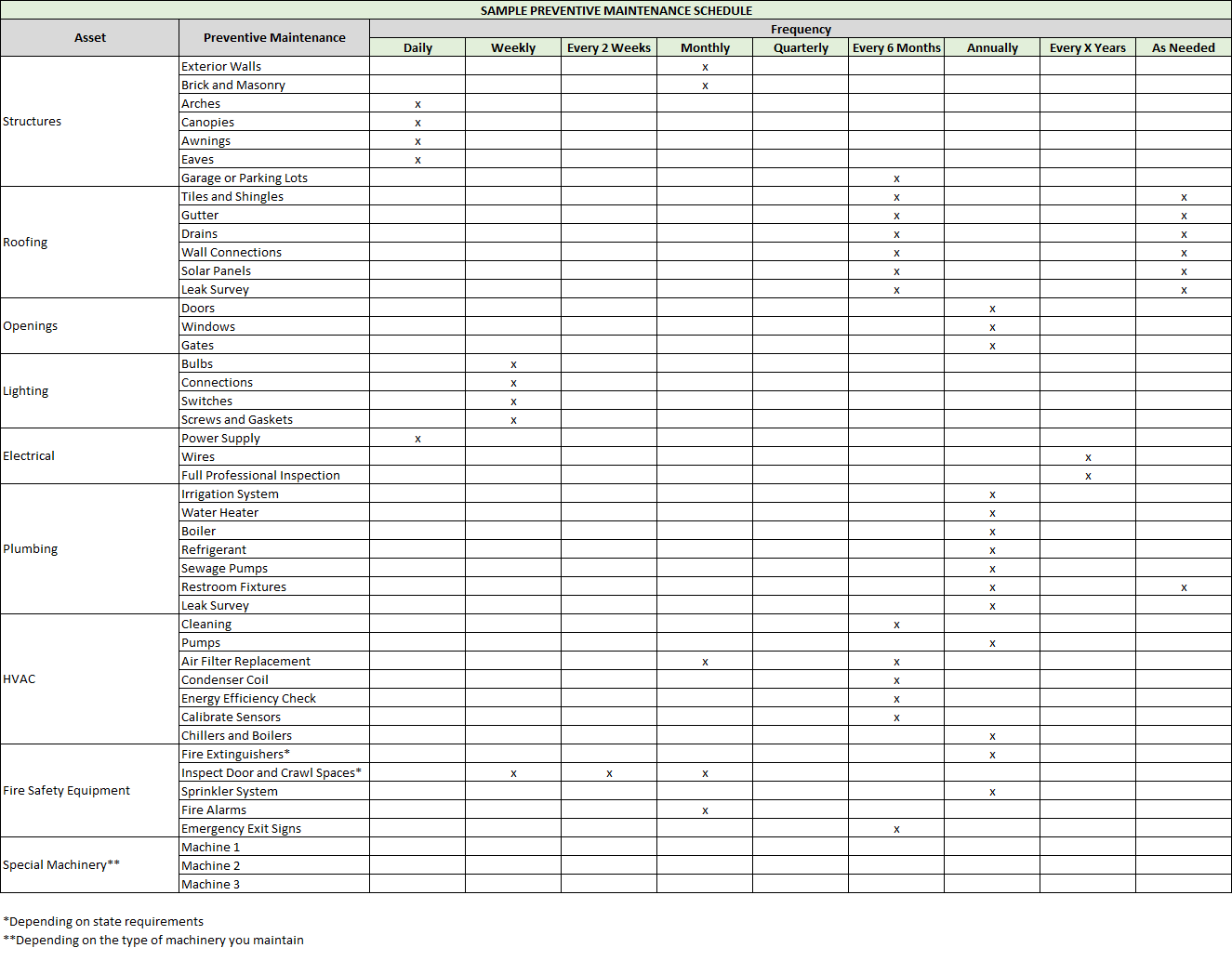
This is precisely where preventive maintenance comes into play, and having a well-structured system for it is crucial. Imagine having a clear roadmap for all your facility’s essential assets, ensuring they receive timely care and attention. That’s the power of an effective facility preventive maintenance schedule template, a tool designed to bring order, efficiency, and significant savings to your operations.
Why Your Facility Needs a Robust Preventive Maintenance Schedule
Without a clear plan, facility management can often feel like a constant game of whack-a-mole. One day it’s a malfunctioning HVAC system, the next it’s a faulty electrical panel, all leading to frantic calls, emergency services, and budget overruns. These reactive fixes not only cost more in the long run but also shorten the lifespan of your valuable equipment and can even pose safety risks to your staff and occupants.
On the flip side, implementing a proactive preventive maintenance strategy transforms this chaotic approach into a streamlined process. By scheduling routine inspections, servicing, and minor repairs, you catch potential problems early, often before they escalate into major failures. This foresight leads to substantial cost savings by avoiding expensive emergency repairs and maximizing the operational life of your assets.
Key Benefits of a Well-Structured Schedule
Adopting a structured approach to your facility’s upkeep brings a wealth of advantages that impact everything from your bottom line to daily operational flow. It’s about much more than just fixing things; it’s about optimizing your entire environment.
- Reduces unexpected downtime: Minimizes disruptions to operations caused by sudden equipment failures.
- Extends asset lifespan: Regular care keeps machinery running efficiently for longer, delaying the need for costly replacements.
- Optimizes operational costs: Prevents expensive emergency repairs and can lead to lower energy consumption.
- Enhances safety compliance: Ensures equipment is in safe working order, reducing workplace accidents and meeting regulatory standards.
- Improves energy efficiency: Well-maintained systems, like HVAC, consume less energy, lowering utility bills.
- Boosts team productivity: Maintenance staff can work on a planned schedule rather than constantly responding to crises.
A dedicated facility preventive maintenance schedule template acts as the backbone for achieving these benefits. It standardizes your processes, ensuring consistency and accountability across all maintenance tasks. Instead of relying on memory or ad hoc decisions, everyone knows what needs to be done, when, and by whom.
This organized approach simplifies resource allocation and planning. You can foresee upcoming maintenance needs, ensuring spare parts are on hand and technicians are available, which further minimizes any potential for disruption. It’s about creating a smooth, predictable, and highly efficient maintenance environment.
Crafting Your Own Effective Facility Preventive Maintenance Schedule Template
Building a preventive maintenance schedule doesn’t have to be an overwhelming task. At its core, it’s about breaking down your facility’s needs into manageable, actionable steps. The goal is to create a living document that guides your team and ensures no critical asset is overlooked.
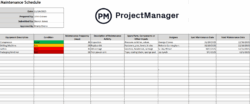
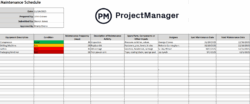
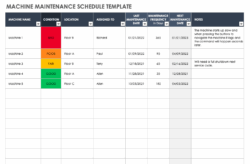
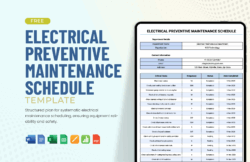
Start by identifying all critical assets within your facility that require regular maintenance. This includes everything from heating and cooling systems, plumbing, electrical panels, and security systems, to elevators, lighting, and even landscaping equipment. For each asset, consider its function, how often it’s used, and the manufacturer’s recommended service intervals. This initial audit forms the foundation of your template.
- Asset identification and tracking: List all equipment, machinery, and systems requiring maintenance.
- Task descriptions for each asset: Detail the specific actions needed (e.g., inspect filters, lubricate bearings, check voltage).
- Frequency of maintenance (daily, weekly, monthly, annually): Assign realistic intervals for each task.
- Assigned personnel or team: Designate who is responsible for carrying out each task.
- Estimated time for completion: Helps with scheduling and resource planning.
- Required tools and materials: Ensures technicians are prepared before starting a job.
- Checklist for completion and sign-off: Provides proof of work and accountability.
- Notes section for observations and follow-ups: Allows for recording anomalies and planning future actions.
While there are many excellent examples out there, the most effective template will always be one that is customized to your specific facility’s unique requirements. No two buildings are exactly alike, and neither are their maintenance needs. Be flexible and ready to adjust frequencies and tasks as you gain more experience and insights into your equipment’s performance.
Implementing your new schedule involves training your team on its use and integrating it into daily operations. Regular review is also key. After a few months, assess what’s working well and what might need tweaking. Are tasks being completed on time? Are there still unexpected breakdowns? Your feedback loop is vital for continuous improvement. Whether you use a simple spreadsheet or a sophisticated CMMS software, having a clear facility preventive maintenance schedule template can truly transform your operational efficiency and long-term asset health.
Embracing a systematic approach to facility upkeep is one of the smartest investments you can make for your property and its occupants. It transforms potential problems into predictable tasks, fostering an environment of stability, safety, and operational excellence. The peace of mind that comes from knowing your essential systems are being regularly cared for is invaluable.
So, take the initiative to develop or refine your preventive maintenance strategy. By putting a robust schedule in place, you’re not just maintaining a building; you’re cultivating a more efficient, cost-effective, and sustainable environment for everyone involved. Start planning today for a smoother, more reliable tomorrow.