Running a bustling restaurant kitchen is a whirlwind of activity, from prep work and cooking to plating and serving. Amidst all the culinary chaos, one thing that absolutely cannot be overlooked is cleanliness. A pristine kitchen isn’t just about sparkling surfaces; it is the backbone of food safety, staff morale, and ultimately, your establishment’s reputation. Without a clear system, keeping up with the endless cleaning tasks can feel like an overwhelming, never-ending battle.
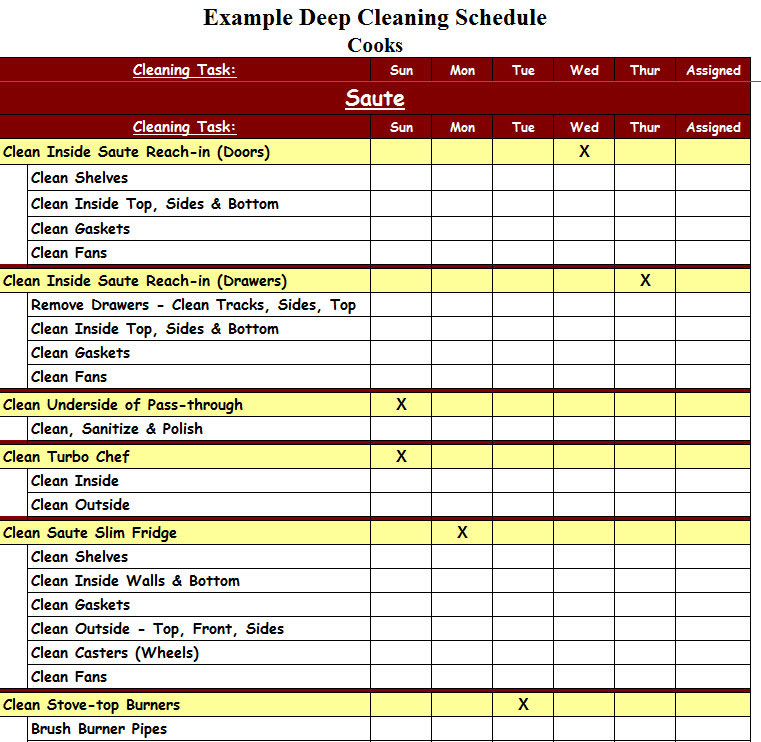
That is where a well-thought-out cleaning schedule comes into play. It transforms the daunting task of kitchen hygiene into a manageable, routine process. By outlining who cleans what, when, and how, you ensure consistency, accountability, and a kitchen that meets the highest standards of cleanliness and sanitation. It is more than just a list; it is a vital tool for efficiency and peace of mind.
Why a Dedicated Cleaning Schedule is Non-Negotiable for Your Restaurant Kitchen
Having a structured cleaning schedule is not merely a suggestion; it is an absolute necessity for any successful restaurant kitchen. First and foremost, it directly addresses health and safety regulations. Health inspectors have strict guidelines, and failing to meet them can result in hefty fines, loss of licensing, and irreparable damage to your business’s reputation. A systematic approach ensures that critical areas are never missed, reducing the risk of cross-contamination and foodborne illnesses, which is paramount for protecting your customers and your brand.
Beyond compliance, a clean kitchen significantly impacts operational efficiency. When everything has a place and surfaces are free of grime, your team can work more effectively and safely. It also extends the lifespan of your valuable kitchen equipment. Grease buildup and food residue can damage machinery over time, leading to costly repairs and replacements. Regular, thorough cleaning, as dictated by a schedule, keeps your ovens, fryers, grills, and refrigerators running smoothly for longer, saving you money in the long run.
Moreover, a well-maintained kitchen fosters a positive working environment. Employees are more motivated and proud to work in a clean, organised space. It demonstrates that management cares about their well-being and provides them with the tools to succeed. This, in turn, can lead to lower staff turnover and a more dedicated team. The peace of mind that comes from knowing every corner of your kitchen is hygienically sound is invaluable for everyone involved.
Key Components of an Effective Cleaning Plan
To build a robust cleaning schedule, you need to consider various frequencies and types of tasks. A good plan breaks down responsibilities into manageable chunks.
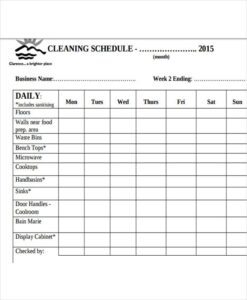
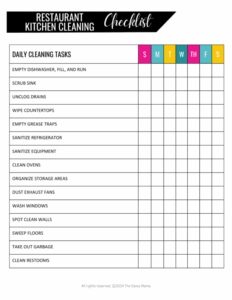
- Daily Cleaning Tasks: These are the quick, high-frequency actions needed to maintain basic hygiene throughout and at the end of each shift. This includes wiping down all food preparation surfaces, cleaning spills immediately, emptying trash cans, sweeping and mopping floors, and sanitizing cutting boards and utensils.
- Weekly Cleaning Tasks: These go a bit deeper, tackling areas that don’t need daily attention but still require regular upkeep. Think about cleaning grease traps, degreasing fryers, cleaning ovens and stovetops thoroughly, sanitizing sinks and drains, and wiping down refrigerator and freezer interiors.
- Monthly Cleaning Tasks: These are more intensive and target areas that accumulate dirt and grime more slowly. Examples include deep cleaning exhaust hoods and filters, washing walls and ceilings, descaling coffee machines, cleaning walk-in refrigerators and freezers, and polishing stainless steel surfaces.
- Quarterly/Annual Cleaning Tasks: These are the heaviest duty tasks, often involving professional services or extensive staff time. This could include power washing floors, deep cleaning entire ventilation systems, servicing large equipment, and extensive pest control measures.
By categorising tasks in this manner, it becomes clear how to delegate and ensure nothing falls through the cracks. Each category plays a crucial role in maintaining overall kitchen hygiene.
Crafting Your Own Cleaning Schedule Template for Your Kitchen
Creating a cleaning schedule template for your restaurant kitchen doesn’t have to be a daunting process. The key is to make it practical, comprehensive, and tailored to your specific operation. Every kitchen is unique, with different layouts, equipment, and staff sizes, so a generic template might not fully meet your needs. Instead, view it as a living document that will evolve as your kitchen’s needs change. Start by gathering your team, perhaps your head chef and kitchen manager, to contribute their insights, as they are on the front lines daily and know the pain points best.
The goal is to develop a system that promotes consistency and accountability without creating unnecessary burdens. A good template should be easy to understand, clearly stating what needs to be done, who is responsible, and how often. Visual aids, like checklists prominently displayed, can be incredibly effective in ensuring tasks are completed. Remember, the best schedule is one that your team can easily integrate into their daily routine, making cleanliness a natural part of their work rather than an afterthought.
Here are some steps to guide you in developing an effective cleaning schedule:
- Assess Your Kitchen Layout and Equipment: Walk through your kitchen, noting every surface, piece of equipment, and storage area that needs cleaning. Think about the flow of work and potential areas where grime builds up.
- Identify All Cleaning Tasks: Brainstorm every single cleaning task, no matter how small. From wiping down counters to deep cleaning the oven, list it all out.
- Assign Frequencies: For each task, decide whether it needs to be done daily, weekly, monthly, or quarterly. Consider the level of use and potential for germ buildup.
- Delegate Responsibilities: Assign specific tasks or categories of tasks to individuals or teams. This fosters accountability and ensures everyone knows their role in maintaining a clean kitchen.
- Train Your Staff: Ensure all team members are properly trained on cleaning procedures, including the correct use of cleaning agents and safety protocols. Consistency in method is just as important as consistency in frequency.
- Review and Adjust Regularly: Your kitchen is dynamic. Periodically review the cleaning schedule template for restaurant kitchen with your team to see what is working and what needs adjustment. Are there bottlenecks? Are certain areas being missed? Adapt the schedule as needed.
By following these steps, you can create a detailed and actionable cleaning schedule that not only keeps your kitchen spotless but also runs efficiently, ensuring a healthy and productive environment for both staff and customers. It really does become a roadmap for maintaining the highest standards.
A spotless kitchen is more than just aesthetically pleasing; it is a fundamental requirement for any successful food establishment. Implementing a comprehensive and well-maintained cleaning schedule template can significantly reduce health risks, improve operational efficiency, and build a stellar reputation for your restaurant. It transforms what could be a chaotic chore into a streamlined process, ensuring every corner meets the highest standards.
Taking the time to create, implement, and regularly review your cleaning schedule is an investment that pays dividends in food safety, staff morale, and overall business success. Empower your team with clear guidelines and watch as your kitchen becomes a model of hygiene and productivity, ready to serve your customers with confidence and excellence every single day.