Coaching youth football is an incredibly rewarding experience, offering the chance to shape young athletes and instill valuable life lessons like teamwork, discipline, and perseverance. However, it also comes with its fair share of challenges, not least of which is organizing effective and engaging practices. Without a clear plan, practices can quickly become chaotic, unproductive, and even boring for the kids, leading to a loss of enthusiasm and missed opportunities for development.
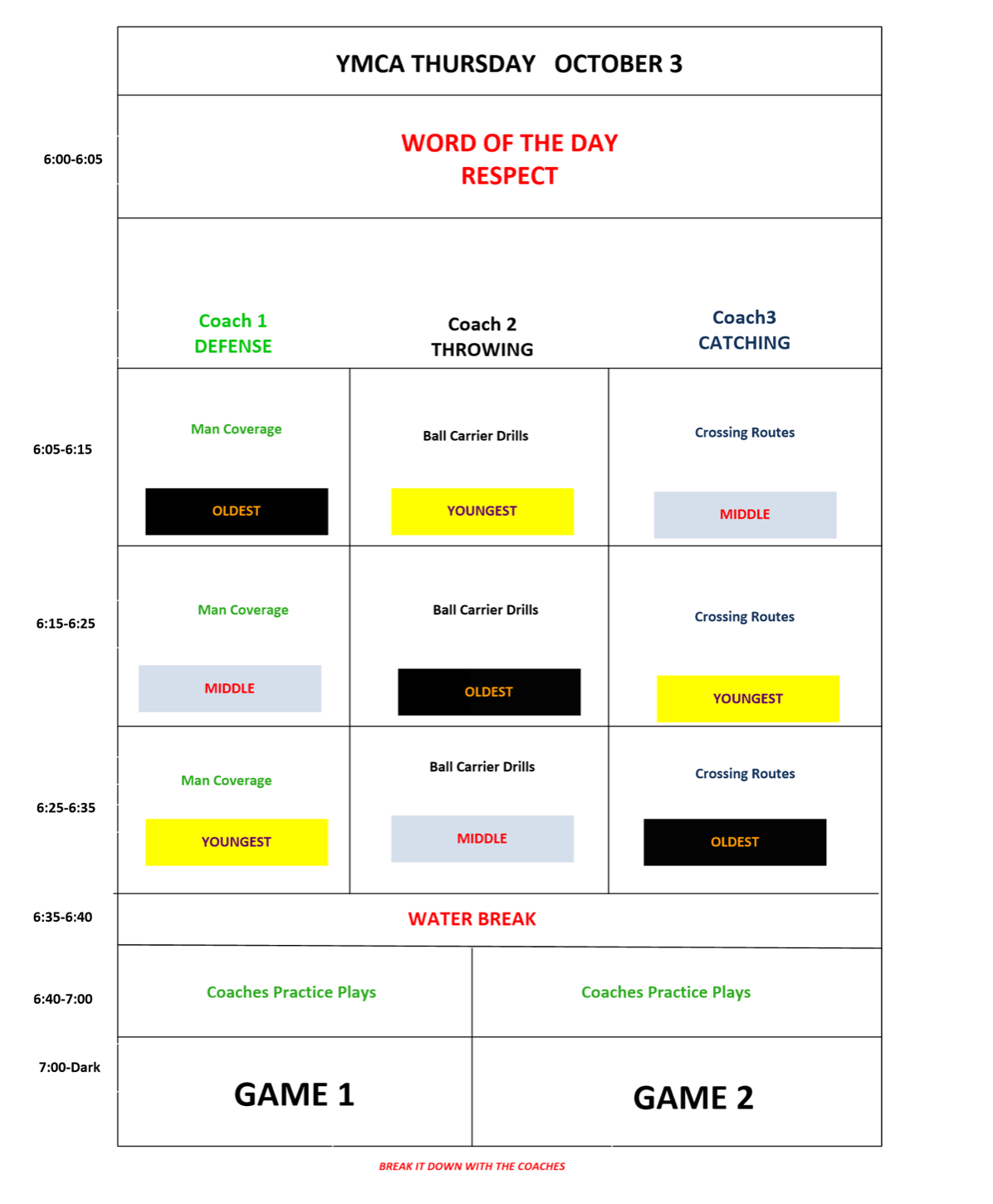
That’s where a well-thought-out practice schedule comes into play. It acts as your roadmap, ensuring every minute on the field is purposeful and contributes to your team’s growth. If you’ve been searching for guidance, you’re in the right place. We’re here to help you navigate the process of creating a dynamic youth football practice schedule template that not only maximizes player potential but also keeps the fun factor high.
Why a Structured Practice Schedule is Crucial for Young Athletes
A well-structured practice schedule is more than just a list of drills; it’s a fundamental tool for success in youth football. For young athletes, consistency and predictability are key to learning and building confidence. When they know what to expect, they can better focus on the tasks at hand, reducing anxiety and allowing them to fully engage with the coaching. This structure helps in the progressive development of skills, moving from basic fundamentals to more complex team strategies in a logical, step-by-step manner.
Furthermore, a comprehensive practice plan ensures that all aspects of the game are covered adequately. It prevents coaches from inadvertently overemphasizing one area while neglecting others, which can lead to imbalances in player development. From physical conditioning and fundamental skills to understanding offensive and defensive schemes, every element needs its dedicated time. A good youth football practice schedule template is designed to integrate these various components seamlessly, ensuring a holistic approach to training.
Beyond skill development, a well-organized schedule fosters discipline and time management among the players. They learn the importance of being punctual, paying attention, and transitioning efficiently between activities. These are life skills that extend far beyond the football field. For coaches, it provides a sense of control and allows for better preparation, ensuring they have all the necessary equipment and drills ready before practice even begins. This preparedness translates into a more professional and effective coaching environment.
The ultimate goal of any youth sport is to help kids learn and grow while having fun. A thoughtful practice schedule aids in achieving this by making practices efficient and engaging. When drills are varied, age-appropriate, and flow smoothly from one to the next, players remain focused and energized. It helps in preventing burnout, keeping practices dynamic, and most importantly, encouraging a lifelong love for the game.
Key Components of an Effective Youth Football Practice Schedule
To truly build a practice schedule that works, you need to understand the core elements that should be included in every session. These components are designed to create a balanced, productive, and enjoyable experience for your team.
- Warm-up and Stretching: Essential for injury prevention and preparing muscles for activity. This should be dynamic and engaging, getting blood flowing.
- Fundamental Skill Drills: Focus on core football techniques such as proper stance, handoffs, catching, passing mechanics, blocking fundamentals, and safe tackling form. These are the building blocks.
- Positional Specific Drills: Once fundamentals are solid, incorporate drills tailored to specific positions (e.g., lineman drills, receiver routes, quarterback footwork, defensive back coverage).
- Offensive and Defensive Scheme Walkthroughs: Time dedicated to understanding plays, formations, assignments, and overall team strategy. This can start with whiteboard explanations and move to walk-throughs on the field.
- Controlled Scrimmage or Situational Play: Applying learned skills and schemes in a live, but controlled, environment. This could be a full scrimmage, red zone drills, or 2-minute offense scenarios.
- Cool-down and Review: A vital period for stretching, hydration, and a brief recap of the practice, highlighting successes and areas for improvement. It’s also a chance to praise effort.
Building Your Own Youth Football Practice Schedule Template: A Step-by-Step Guide
Crafting your own youth football practice schedule template doesn’t have to be overwhelming. It’s about combining structure with flexibility, recognizing that every team and every practice environment is unique. Start by considering the age and experience level of your players. Younger teams will require more time on basic fundamentals and shorter segments to maintain attention, while older, more experienced teams can handle more complex drills and longer periods of strategic work. The available practice time, whether it’s one hour or two, will also significantly influence how you segment your activities.
The first step is to define your practice objectives for the season and for each individual session. Are you focusing on improving tackling this week? Or perhaps refining your offensive plays? Having clear goals allows you to tailor your drills and allocate time appropriately. For instance, early in the season, your objective might be to establish fundamental techniques and physical conditioning. As the season progresses, you’ll shift towards integrating more team schemes and situational practice. This intentional approach ensures every practice serves a purpose.
Next, segment your total practice time into logical blocks, dedicating specific durations to each key component. A common structure might look like 10-15 minutes for warm-ups, 40-50 minutes for skill development, 30-40 minutes for team strategy and scrimmage, and 5-10 minutes for cool-down. Within the skill development block, rotate through different fundamental drills to keep players engaged and ensure comprehensive training. For example, one day could heavily focus on passing and receiving, while the next emphasizes blocking and tackling.
Finally, remember to incorporate elements of fun and variety into your youth football practice schedule template. While structure is important, youth sports should always be enjoyable. Introduce competitive drills that involve scoring, incorporate short games, or allow for a brief period of free play. Regularly review and adjust your schedule based on your team’s progress and areas that need more attention. Flexibility is key; if a particular drill isn’t working, or if the team needs more time on a specific concept, be prepared to adapt on the fly.
Remember, the best practice schedule is a living document. It evolves with your team’s needs and progress throughout the season. By investing time into creating a thoughtful and adaptable template, you’re setting your team up for a season filled with growth, learning, and most importantly, a lot of fun on the field.
Creating an effective practice schedule is one of the most impactful things you can do as a youth football coach. It transforms potential chaos into productive learning, builds confidence in your players, and ensures that every minute spent on the field contributes to their development as athletes and individuals. With a solid plan in hand, you’ll feel more prepared, and your team will respond with greater enthusiasm and improved performance.
So, take these principles, adapt them to your specific team’s needs, and watch your players flourish. A well-organized practice is a foundation for success, fostering not just better football players, but also resilient, disciplined, and passionate young people who truly love the game.