Do you ever feel like your days are slipping away, swallowed by an endless to-do list that never seems to shrink? Many of us find ourselves juggling multiple responsibilities, constantly switching between tasks, and ending the day feeling busy but not necessarily productive. It is a common challenge in our fast-paced world to truly master our time, leading to stress and missed opportunities.

The good news is that taking control of your schedule isn’t an impossible feat. With the right strategy, you can transform your chaotic days into structured, focused periods of productivity and personal fulfillment. One of the most effective tools for achieving this is a well-designed time management block schedule template, a simple yet powerful method that helps you allocate your hours intentionally and make significant strides towards your goals.
Understanding the Power of a Block Schedule
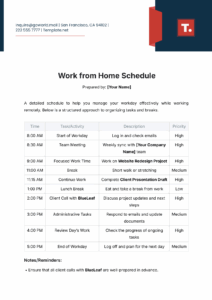
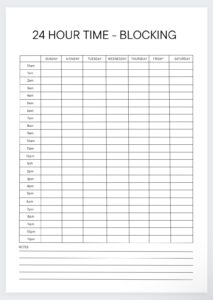
A block schedule is essentially a strategic approach to time management where you divide your day into specific time blocks, each dedicated to a particular task, project, or category of activities. Instead of just listing tasks, you assign them a specific home in your day. This isn’t about rigid adherence to the minute, but rather about creating a framework that reduces decision fatigue and helps you focus deeply on one thing at a time. It’s a proactive way to ensure your most important tasks receive the attention they deserve.
The effectiveness of block scheduling lies in its ability to foster deep work and minimize distractions. When you know that 9 AM to 11 AM is dedicated solely to writing, your brain is less likely to wander to emails or social media. This method helps you respect your time and gives you a clear roadmap for your day, week, or even month. It moves you away from reactive task management and towards a much more intentional approach.
Getting started with a block schedule involves a bit of self-reflection and planning. Before you even touch a calendar, it’s helpful to understand where your time currently goes and what your priorities truly are.
Step 1: Audit Your Time
For a few days, track everything you do. Every email, every meeting, every coffee break. This honest assessment will reveal time sinks and give you a realistic picture of how long tasks actually take.
Step 2: Identify Priorities
What are your most important goals for the week or month? What tasks contribute most to those goals? These are the activities that deserve dedicated blocks in your schedule.
Once you have a clearer picture, the benefits of implementing this structure quickly become apparent. You will likely experience enhanced focus and deep work, as you commit to single-tasking within each block. It significantly reduces decision fatigue because you are not constantly wondering what to do next. Block scheduling also naturally encourages a better work-life balance by ensuring dedicated time for personal activities, family, and self-care. Finally, it helps establish clearer boundaries, both with others and with yourself, making it easier to say no to interruptions that don’t align with your pre-planned blocks.
Creating Your Own Time Management Block Schedule Template
Now that you understand the “why,” let’s dive into the “how” of building your own block schedule. Remember, there’s no one-size-fits-all solution; your ideal schedule will reflect your personal energy levels, work demands, and life commitments. The goal is to create a flexible template that serves as a guide, not a dictator, allowing for adjustments as your needs evolve.
Begin by marking down all your non-negotiable fixed appointments first. These could be recurring meetings, school drop-offs, doctor’s appointments, or even dedicated exercise times. These act as anchors around which you’ll build the rest of your blocks. Once these fixed points are on your calendar, the remaining gaps are where you can strategically place your task-specific blocks.
When you’re ready to design your blocks, keep a few key principles in mind to make your template truly effective.
- Categorize Similar Tasks Together: Grouping similar tasks, like responding to emails or making phone calls, into a single block helps minimize context switching, which is a major drain on productivity.
- Allocate Realistic Time Frames: Be honest about how long tasks take. Overestimating can lead to wasted time, but underestimating can lead to frustration and a constantly derailed schedule.
- Include Breaks and Buffer Time: Don’t forget to schedule short breaks between blocks to rest your mind and body. Also, include buffer time around meetings or complex tasks for unexpected issues or to prepare for the next activity.
- Factor in Personal Time and Self-Care: Your well-being is paramount. Make sure your time management block schedule template includes blocks for hobbies, family time, relaxation, and physical activity. These are not luxuries; they are essential for sustained productivity.
For instance, you might dedicate mornings to deep, focused work when your energy levels are highest, reserving afternoons for meetings, collaborative projects, and administrative tasks. Evenings can be blocked for family, personal development, or unwinding. By carefully crafting your own time management block schedule template, you gain clarity and control over your days, ensuring that your most valuable resource—your time—is being used purposefully. Remember to review your template regularly. What worked last month might need tweaking this month. Life happens, and your schedule should be able to adapt with you.
Taking an intentional approach to how you spend your hours can profoundly change your relationship with productivity and personal well-being. By developing a clear plan for your day, you move beyond simply reacting to demands and instead proactively shape your experiences. This framework provides the structure needed to consistently make progress on what truly matters, both professionally and personally.
Embracing this method will empower you to minimize distractions, maximize your focus, and ultimately achieve a greater sense of accomplishment and calm. Start small, be patient with yourself, and watch as your days transform from a blur of activity into a series of purposeful blocks, each contributing to a more fulfilling and successful life.