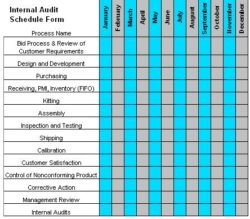
Embarking on the journey of ISO 27001 certification or maintaining its stringent requirements can feel like navigating a complex maze. At its heart, a robust Information Security Management System (ISMS) relies heavily on internal audits to ensure continuous compliance and improvement. These audits aren’t just a tick-box exercise; they are a vital feedback mechanism, identifying areas of strength and, more importantly, areas that need attention before external auditors come knocking.
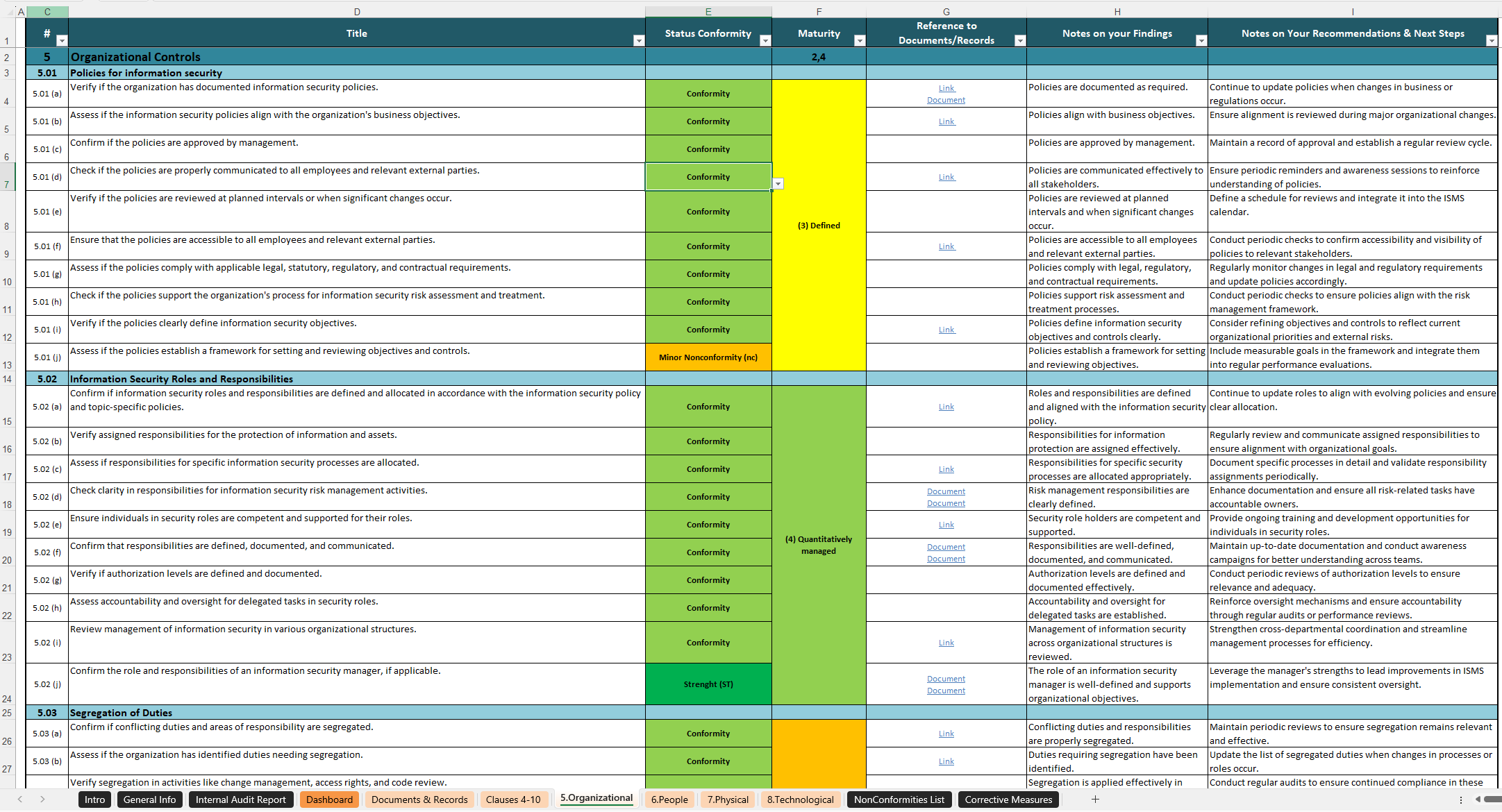
However, coordinating these essential reviews can quickly become overwhelming without a clear roadmap. From defining the scope of each audit to assigning responsibilities and tracking progress, there’s a lot to manage. This is precisely where a well-structured iso 27001 internal audit schedule template proves to be an indispensable asset, transforming a potentially chaotic process into an organized, manageable, and highly effective program.
Understanding the Core of an Internal Audit Schedule
An ISO 27001 internal audit schedule serves as your strategic blueprint for regularly assessing the effectiveness and compliance of your ISMS. It’s more than just a list of dates; it’s a dynamic document that ensures all relevant aspects of your information security framework are reviewed systematically over time. This proactive approach helps prevent minor issues from escalating into significant non-conformities, thereby safeguarding your organization’s sensitive information and its reputation.
The beauty of a comprehensive schedule lies in its ability to provide clarity and accountability. It outlines what needs to be audited, by whom, and when, ensuring that no critical area is overlooked. This systematic planning allows organizations to allocate resources efficiently, train internal auditors effectively, and prepare thoroughly for each audit activity, fostering a culture of continuous improvement within their information security practices.
Key Elements to Include in Your Template
When you are putting together your own iso 27001 internal audit schedule template, think about what information will be most helpful to keep everyone on the same page. The more detail you can provide, the smoother your audit process will run. It’s not just about listing tasks; it’s about creating a living document that guides your team.
Here are some crucial elements you’ll want to incorporate:
- Audit Area/Scope: Clearly define which clause of ISO 27001 or specific control (e.g., A.9 Access Control, A.11 Physical and Environmental Security) is being audited.
- Audit Objective: What do you aim to achieve with this specific audit? (e.g., Verify compliance with policy, Assess effectiveness of control implementation).
- Auditor(s) Assigned: Who is responsible for conducting this audit?
- Planned Start Date: When is the audit scheduled to begin?
- Planned End Date: When is the audit expected to conclude?
- Actual Start Date: Record the actual date the audit commenced.
- Actual End Date: Record the actual date the audit was completed.
- Status: Track the progress (e.g., Planned, In Progress, Completed, Delayed, Cancelled).
- Findings/Non-conformities Reference: Link to audit reports or specific non-conformity records.
- Responsible Department/Process Owner: Identify who is accountable for the audited area.
- Next Audit Date: Plan for the next review cycle for this specific area.
By including these details, your template becomes a powerful tool for oversight and management. It ensures that every aspect of your ISMS is touched upon and that responsibilities are clear, leading to more effective and less stressful audit cycles. Remember, flexibility is key; your schedule should be adaptable to changes in your organization or the threat landscape.
Crafting Your Practical ISO 27001 Internal Audit Schedule
Moving from understanding the components to actually building your schedule involves a blend of strategic thinking and practical application. The goal is to create a realistic and manageable plan that genuinely contributes to your organization’s security posture. Start by reviewing the entire ISO 27001 standard, including Clauses 4-10 and Annex A controls. Don’t feel pressured to audit every single control every year; a risk-based approach is often more effective.
Consider the criticality of different information assets and the associated risks. Areas with higher risk, or those that have experienced issues in past audits, might warrant more frequent scrutiny. Conversely, well-established and consistently compliant areas might be audited less often. This pragmatic approach helps in optimizing resources and focusing effort where it’s needed most, without compromising the overall integrity of your ISMS.
Developing an effective audit schedule involves several key steps that ensure comprehensive coverage and efficient resource utilization. It’s a continuous cycle of planning, execution, and review that strengthens your ISMS over time.
- Identify all applicable ISO 27001 clauses and Annex A controls relevant to your organization.
- Assess the risk level associated with each control or process area based on your risk assessment.
- Determine audit frequency for each area, considering risk, previous audit findings, and significance to your business.
- Allocate resources by assigning qualified internal auditors, ensuring they have the necessary expertise for each audit.
- Define clear audit scopes and objectives for every scheduled audit to guide the auditor’s work.
- Establish a robust reporting and follow-up mechanism for all audit findings, including timelines for corrective actions.
Once your initial schedule is drafted, treat it as a living document. Regularly review its effectiveness, especially after external audits or significant changes in your organizational structure or information security landscape. Adjusting the frequency, scope, or assigned auditors as needed will ensure your internal audit program remains relevant and continues to provide valuable insights. The power of a well-maintained schedule lies in its adaptability and its ability to guide your journey towards information security excellence.
A well-organized internal audit program, guided by a robust schedule, is much more than a compliance necessity; it’s a strategic advantage. It empowers your organization to proactively identify and address vulnerabilities, ensure the ongoing effectiveness of your security controls, and foster a culture of vigilance. By embedding these practices into your operational routine, you not only maintain your certification but also continually enhance your overall resilience against ever-evolving cyber threats.
Embracing this disciplined approach to internal audits signifies a commitment to excellence in information security. It shows that your organization is not just meeting a standard, but striving for continuous improvement, ready to adapt and strengthen its defenses at every turn. This proactive stance ensures your information assets remain protected, your stakeholders trust is maintained, and your journey towards a more secure future is well on track.