Navigating the competitive world of job applications can often feel like juggling a dozen flaming torches while riding a unicycle. With countless job boards, company websites, and networking opportunities, it is incredibly easy to lose track of where you have applied, to whom, and when. This is precisely why having a robust job search record template isn’t just a good idea; it’s an absolute game-changer for anyone serious about landing their next career opportunity.
Imagine a world where you never have to frantically search your email for that one job description, or wonder if you’ve already applied to a particular company. An organized approach to your job search can significantly reduce stress, improve your follow-up game, and ultimately boost your chances of success. It transforms a chaotic process into a streamlined operation, putting you firmly in control.
Throughout this article, we’ll explore the undeniable benefits of keeping a detailed job search record, delve into the essential elements you should include, and offer practical tips for creating and maintaining your own personal system. Get ready to transform your job hunt from overwhelming to entirely manageable, paving the way for your next professional adventure.
Why a Detailed Job Search Record is Your Secret Weapon
When you’re actively looking for a job, you’re likely applying to multiple positions across various platforms. Without a systematic way to track these applications, you might find yourself sending duplicate resumes, forgetting follow-up dates, or mixing up details between different companies. This lack of organization can lead to missed opportunities and a generally frustrating experience, making the job hunt feel more arduous than it needs to be.
A well-maintained record acts as your central hub for all job-related activities. It’s where you can instantly see which roles you’ve applied for, the specific version of your resume you submitted for each, and the current status of your application. This clarity is invaluable, especially when you start receiving interview requests and need to quickly refresh your memory on a particular role or company.
Think about the importance of follow-up. Recruiters often appreciate a polite, timely check-in, but knowing when and to whom to follow up can be a challenge without proper tracking. Your record will clearly indicate when you applied and when a follow-up is due, ensuring you never miss a chance to gently nudge your application forward without appearing pushy or disorganized.
Furthermore, a detailed log helps you tailor your applications more effectively. If you’ve applied to several similar roles, you can note which keywords or experiences you highlighted for each. This information becomes incredibly useful when preparing for interviews, as you can easily recall the specific details you presented for that particular role and company, demonstrating preparedness and attention to detail to your potential employer.
Beyond the practicalities of tracking applications and follow-ups, a job search record can also serve as a powerful tool for self-reflection and continuous improvement. By reviewing your entries, you might identify patterns in your application success rate, the types of roles that frequently lead to interviews, or even areas where your resume might need further refinement. This data-driven approach allows you to learn from each interaction and refine your strategy.
Ultimately, having this organized system can significantly reduce the mental load and anxiety associated with job searching. Instead of feeling overwhelmed by a pile of unsorted tasks, you’ll have a clear, actionable plan. This sense of control can empower you to approach each application and interview with greater confidence and focus, knowing that every detail is accounted for.
Building Your Ultimate Tracking System
Creating an effective job search record template doesn’t have to be complicated; it just needs to be comprehensive and easy to use. The key is to customize it to your personal needs, ensuring it captures all the crucial information that will help you stay on top of your applications and communications. You can use a simple spreadsheet program like Google Sheets or Microsoft Excel, or even a dedicated app, as long as it allows for easy data entry and retrieval.
When designing your template, think about all the pieces of information you find yourself needing to access or remember during your job hunt. A robust template should serve as a single source of truth for every job you consider, apply to, or interview for. This central repository will save you countless hours of digging through emails and browser history.
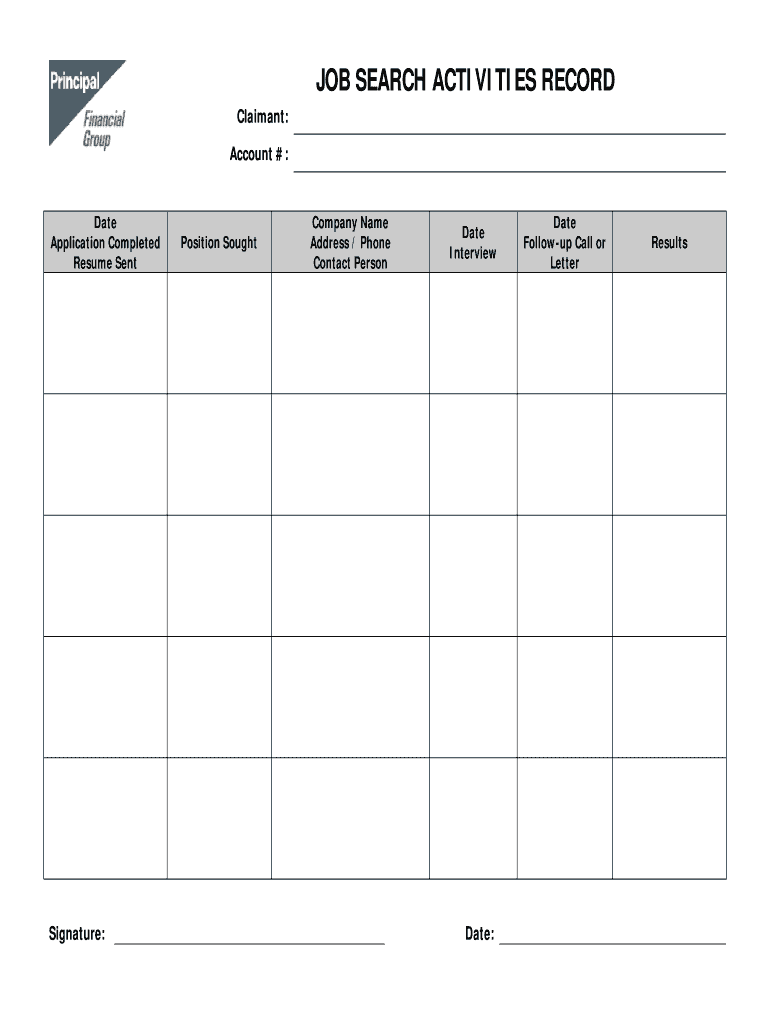
Here are some essential fields you should definitely include in your job search record template:
* Job Title
* Company Name
* Company Website/LinkedIn Profile
* Job Posting Link
* Date Applied
* Platform Used (e.g., LinkedIn, Indeed, Company Website)
* Resume Version Used (e.g., “Resume-Marketing-V3”)
* Cover Letter Version Used (if applicable)
* Application Status (e.g., Applied, Under Review, Interview Scheduled, Rejected, Offer Received)
* Interview Dates & Times
* Interviewer Names & Contact Info
* Follow-Up Date
* Notes (e.g., key points from job description, specific questions asked in an interview, salary expectations discussed, contacts made)
* Next Steps
Maintaining this record consistently is just as important as setting it up. Make it a habit to update your template immediately after every interaction – whether you’ve applied for a new job, had an interview, or received communication from a recruiter. This ensures your record is always accurate and ready to inform your next move, allowing you to react promptly and professionally throughout your job search journey.
Embracing an organized approach to your job search can truly transform a daunting task into a manageable project. With a clear, updated record of all your efforts, you’ll feel more in control and less stressed, allowing you to focus your energy on preparing for interviews and showcasing your best self.
This methodical way of working doesn’t just help you land a job faster; it also instills good habits that will serve you well throughout your career. Being organized, proactive, and analytical are qualities highly valued in any professional setting, and your commitment to a structured job search demonstrates these traits long before you even step into your new role.