Navigating property boundaries and shared responsibilities with neighbors can sometimes be a delicate dance. A sturdy fence not only defines your property but also enhances privacy and security for both parties. However, when a fence needs repair, replacement, or even new installation, initiating that conversation effectively is crucial to maintaining a harmonious relationship. This is precisely where a well-crafted good neighbor fence letter template becomes an indispensable tool. It provides a formal, clear, and amicable way to address fence-related matters, ensuring all parties are informed and have an opportunity to collaborate.
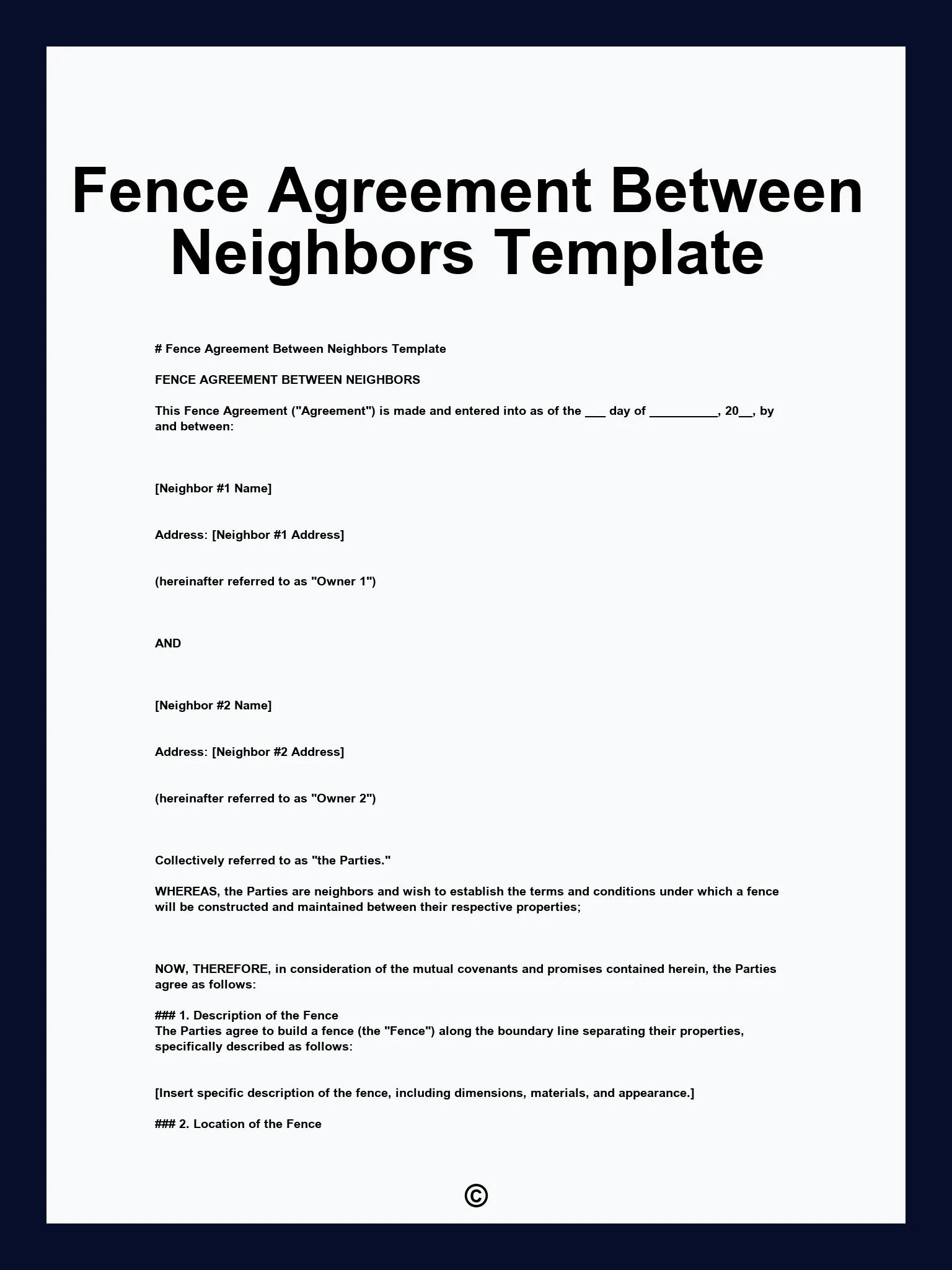

Utilizing a professional notice template helps prevent misunderstandings and establishes a clear record of communication, which can be invaluable in avoiding future disputes. Whether you’re a homeowner, a property manager, or a tenant responsible for property upkeep, understanding how to properly inform your neighbor about fence work is a testament to good communication and property management. This article will guide you through the essentials of drafting such a letter, offering a ready-to-use template and insights into the legal and practical considerations involved.
The Importance of Clear Communication for Boundary Fences
Effective communication is the cornerstone of any successful neighborly interaction, especially when it concerns shared property features like boundary fences. Relying solely on verbal agreements can lead to confusion, forgotten details, and potential disputes down the line. A written notice provides a clear, undeniable record of your intent and proposed actions.
A formal letter ensures that all details are explicitly stated, leaving little room for misinterpretation. This documentation is critical for establishing a timeline for discussions, decisions, and project commencement. Furthermore, it demonstrates your commitment to transparency and a fair process in resolving fence-related issues.
Understanding the legal landscape surrounding shared fences is also paramount, as local ordinances and state laws often dictate responsibilities. For instance, many jurisdictions operate under “good neighbor fence laws,” which require property owners to provide notice before initiating fence work and typically outline shared cost responsibilities. A well-documented communication process, starting with a comprehensive notice, serves as evidence that you have followed due diligence.
Crafting Your Effective Good Neighbor Fence Letter Template
Writing a letter to your neighbor about fence issues doesn’t have to be daunting. The goal is to be clear, courteous, and constructive, inviting collaboration rather than dictating terms. A structured approach ensures all necessary information is included, making your request actionable and easy to understand. Using a good neighbor fence letter template can streamline this process significantly.
When drafting your letter, remember to focus on the facts and the proposed solution, maintaining a respectful tone throughout. The language should be direct yet polite, emphasizing a shared interest in maintaining the property value and aesthetics. This approach fosters a cooperative environment, which is ideal for resolving shared property matters efficiently.

Essential Components of a Fence Communication Letter
To ensure your communication is thorough and effective, your letter should include several key elements. These components provide your neighbor with all the information they need to understand the situation and respond appropriately.
- Your Contact Information: Clearly state your name, address, and how you can be reached (phone, email).
- Neighbor’s Contact Information: Accurately address the letter to your neighbor(s).
- Date: Include the date the letter is sent.
- Clear Subject Line: A concise subject line like “Regarding the Shared Boundary Fence” or “Notice of Intent for Fence Repair” helps immediately identify the letter’s purpose.
- Property Reference: Clearly identify the property in question, usually by addressing the fence line between specific addresses.
- Reason for the Letter: Explain the specific issue with the fence (e.g., “deteriorated condition,” “need for replacement,” “proposal for new installation”).
- Proposed Action: Detail what you intend to do (e.g., “repair the fence,” “replace sections,” “install a new fence”).
- Cost-Sharing Proposal: If applicable, propose how costs will be shared, referencing local laws or common practices (e.g., “50/50 split”).
- Call for Discussion: Invite your neighbor to discuss the matter further and express a willingness to consider their input.
- Response Deadline: Provide a reasonable timeframe for your neighbor to respond (e.g., 14-30 days).
- Professional Closing: Use a polite closing such as “Sincerely” or “Best regards.”
[Your Name]
[Your Address]
[Your City, State, Zip Code]
[Your Phone Number]
[Your Email Address]

[Date]

[Neighbor's Name]
[Neighbor's Address]
[Neighbor's City, State, Zip Code]

Subject: Regarding the Shared Boundary Fence Between [Your Address] and [Neighbor's Address]

Dear [Neighbor's Name],

I am writing to you today concerning the shared boundary fence located between our properties at [Your Address] and [Neighbor's Address]. I have observed that the fence on our shared property line is showing significant signs of wear and deterioration. There are several leaning posts and broken panels that compromise its structural integrity and aesthetic appeal.

Given its current condition, I believe it is time to address these issues to ensure the fence continues to serve its purpose effectively. I propose we collaborate on either repairing the existing fence or replacing it with a new, more durable structure. I am open to discussing various options and materials that would benefit both properties.

I am prepared to share the associated costs for this project, as is customary for shared boundary fences, typically a 50/50 split. To proceed, I have gathered some initial quotes for both repair and replacement, which I would be happy to share and discuss with you at your convenience.

I would appreciate it if you could contact me to discuss this matter further and share your thoughts. Please let me know your availability for a brief conversation within the next [14-30] days. I am hopeful we can work together to find a mutually agreeable solution.

Thank you for your time and consideration.

Sincerely,

[Your Name]
Legal Considerations for Shared Property Fences
When dealing with shared boundary fences, understanding the legal framework is essential. While a friendly discussion is always the preferred first step, knowing your rights and obligations can prevent complications. Many localities have specific “good neighbor fence laws” or similar regulations that dictate how shared fences should be managed.
These laws often outline requirements for notice periods, cost-sharing responsibilities, and dispute resolution processes. For example, some states may require written notification to your neighbor a certain number of days before any construction or repair begins. Additionally, permits might be necessary for certain types of fence installations or significant repairs, which you should investigate with your local planning department. Being aware of these details helps ensure that your project proceeds smoothly and legally.
Proactively researching your local property ordinances and state laws regarding fences can save you time and potential headaches. Consulting with local authorities or a legal professional for specific advice related to your area is always a good idea, especially for complex situations. This due diligence ensures your good neighbor fence letter template aligns with all legal requirements, providing a solid foundation for your project.
Utilizing a comprehensive good neighbor fence letter template serves as a pivotal first step in any fence-related project. It fosters transparent communication, outlines clear expectations, and documents your intent, which is vital for legal clarity and maintaining positive neighborly relations. By proactively communicating and understanding the applicable regulations, you empower yourself to resolve fence matters amicably and efficiently.
Taking the initiative to send a well-structured letter demonstrates respect and a commitment to working together for mutual benefit. This approach not only helps to clarify responsibilities but also sets a positive tone for any future property-related discussions. Remember, a good fence can make good neighbors, and a good letter starts that relationship off right.