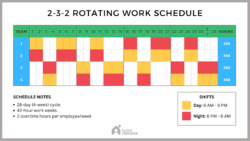
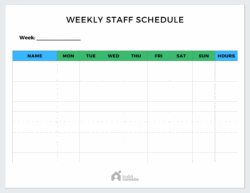
Managing a team, whether small or large, often feels like a constant juggling act. Between covering shifts, handling time-off requests, and ensuring everyone has a fair workload, creating a functional schedule can quickly become a daunting task. Many businesses default to weekly scheduling, which, while offering immediate flexibility, can lead to last-minute scramble and a lack of long-term predictability for both managers and employees.

Imagine a world where your team knows their shifts well in advance, where coverage gaps are rare, and where you, as a manager, spend less time on administrative scheduling headaches. This is precisely what a well-structured approach to planning can offer. By looking beyond the immediate week and embracing a broader perspective, you can build a system that fosters stability and efficiency.
Why a 4-Week Work Schedule Template is a Game Changer for Your Team
Stepping up from weekly to a 4-week work schedule template brings a significant shift in operational efficiency and team morale. Instead of reacting to immediate needs, you move into a proactive planning mode. This extended view allows you to anticipate peak periods, staff holidays, and training requirements much further in advance, drastically reducing the stress associated with last-minute adjustments and ensuring consistent service delivery.
For employees, the benefits are equally profound. A predictable 4-week rotation provides a clear picture of their work-life balance, allowing them to plan personal appointments, family events, and social engagements without the constant anxiety of shift changes. This stability contributes directly to higher job satisfaction and can significantly reduce employee turnover, as staff feel more valued and in control of their personal time.
From a management perspective, this approach streamlines the administrative burden. Once the initial template is set up and refined, much of the repetitive scheduling work is eliminated. It frees up valuable time that can be redirected towards more strategic tasks, employee development, or customer engagement, ultimately benefiting the entire organization. It also simplifies the process of managing overtime and ensuring compliance with labor laws.
Industries ranging from retail and hospitality to healthcare and manufacturing can leverage a 4-week scheduling system to great effect. It helps in maintaining optimal staffing levels across different departments or roles, ensuring that critical operations are always covered while preventing unnecessary overstaffing during quieter periods. It is about striking the right balance for productivity and employee well-being.
Key Advantages of a Staggered 4-Week Plan
- Enhanced Predictability for Staff leading to improved morale and reduced absenteeism.
- Reduced Administrative Burden for managers, freeing up time for other core responsibilities.
- Better Compliance with Labor Laws regarding hours, breaks, and fair work distribution.
- Improved Customer Service Consistency due to stable and well-rested teams.
Crafting Your Perfect 4 Week Work Schedule Template: Practical Steps
Developing an effective 4 week work schedule template begins with a thorough understanding of your business’s unique needs. Start by identifying your peak hours, critical operational periods, and the minimum staffing required for each role or department. Consider seasonal fluctuations and any recurring events that might impact your staffing demands throughout the year. This foundational knowledge will serve as the backbone of your schedule.
Next, involve your team in the planning process as much as possible. Gathering input on preferred shifts, availability, and any specific requests can lead to a more cooperative and accepted schedule. While not every request can be met, demonstrating that you’ve considered their needs builds trust and makes the schedule feel more collaborative than imposed. Fair rotation for less desirable shifts or weekend work is also crucial for maintaining equity among staff.
When it comes to implementation, leverage the right tools. Whether you opt for a simple spreadsheet, dedicated scheduling software, or a cloud-based solution, ensure it allows for easy adjustments, communication, and clear visibility for all employees. The goal is to create a template that is robust yet flexible enough to accommodate unforeseen changes like sick calls or last-minute project requirements without disrupting the entire 4-week cycle.
Finally, remember that your initial 4 week work schedule template is a living document. It will require review and refinement. After running the first few cycles, gather feedback from both managers and employees. Are there recurring issues with coverage? Is anyone consistently feeling overworked or underutilized? Use this valuable insight to make iterative improvements, tweaking the schedule to optimize for both operational efficiency and employee satisfaction.
- Identify Core Operational Hours and Staffing Needs for each role.
- Map Out Employee Availability, Skill Sets, and individual preferences.
- Implement a Rotational System that ensures fairness across all shifts and days.
- Allocate Breaks and Time Off in advance to prevent last-minute gaps.
- Regularly Review and Solicit Feedback to continuously refine and improve the schedule.
Adopting a structured 4-week scheduling system offers a powerful way to bring stability, efficiency, and fairness to your workplace. It transforms the often-chaotic process of staff management into a predictable and empowering routine for everyone involved. By planning further ahead, you invest in your team’s well-being and your business’s operational smoothness.
Embracing this extended planning approach can lead to a more organized, less stressful environment where employees feel valued and managers can focus on growth rather than constant problem-solving. It is a strategic move that pays dividends in both tangible productivity gains and intangible improvements in team morale and overall company culture.