Ensuring the safety of your water systems isn’t just a good idea; it’s a fundamental responsibility, especially in any commercial or public setting. Untreated or poorly managed water can pose significant health risks, from common ailments to severe infections. Understanding these potential hazards and proactively mitigating them is crucial for safeguarding the well-being of building occupants, employees, and visitors alike.

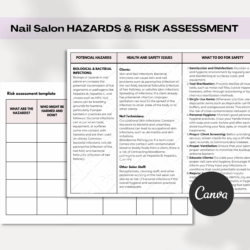
This is where a systematic approach becomes invaluable. A comprehensive water hygiene risk assessment is the cornerstone of effective water management, helping you identify, evaluate, and control potential risks associated with water systems. Utilizing a well-structured template can significantly streamline this complex process, ensuring no critical aspect is overlooked and that your findings are consistently recorded and actionable.
Why a Water Hygiene Risk Assessment is Essential
At its core, a water hygiene risk assessment is a methodical examination of your water systems to identify potential sources of hazard. Think of it as an investigative process where you’re looking for anything that could lead to the proliferation of harmful microorganisms, such as Legionella bacteria, or create other unsafe conditions. This isn’t just about hot and cold water taps; it encompasses everything from storage tanks and pipework to showers, cooling towers, and even decorative water features.
The presence of waterborne pathogens like Legionella, which causes Legionnaires’ disease, can have devastating consequences. These bacteria thrive in specific conditions, typically warm, stagnant water, and can become airborne through aerosols, posing a serious inhalation risk. Other pathogens, like Pseudomonas aeruginosa, can also present risks, particularly in healthcare settings or facilities with vulnerable populations. Identifying these potential breeding grounds is the first critical step in prevention.
Beyond the immediate health concerns, there are significant legal and regulatory obligations for duty holders, property managers, and employers. In many regions, legislation mandates regular water hygiene risk assessments and the implementation of control measures to prevent harm. Failing to comply can result in severe penalties, fines, and reputational damage, not to mention the moral imperative to protect people. A robust and regularly updated water hygiene risk assessment template helps demonstrate due diligence.
Moreover, a thorough assessment provides a clear picture of your entire water system, helping you understand its unique vulnerabilities. It’s not just about finding existing problems but also about anticipating future risks and planning preventative maintenance. By systematically working through a structured water hygiene risk assessment template, you can ensure a consistent approach across all your facilities and maintain comprehensive records for auditing purposes.
Key Elements Covered in a Water Hygiene Risk Assessment
A good water hygiene risk assessment template will guide you through examining various aspects of your water system. It forces you to consider the entire journey of water from its source to its point of discharge. You’ll want to assess the quality of incoming water, the design and condition of the distribution system, and the usage patterns of all outlets.
It’s vital to understand the physical layout and operational characteristics of your building’s water system. This includes plumbing schematics, the age of components, and any recent modifications. Stagnation, dead legs, and infrequently used outlets are all areas that require particular attention, as these can become hotspots for bacterial growth.
A comprehensive assessment should typically cover:
* Water temperature monitoring points for both hot and cold water.
* Identification of areas prone to water stagnation or low flow.
* Presence and condition of “dead legs” or redundant pipework.
* The cleanliness and integrity of cold water storage tanks.
* Condition and maintenance of calorifiers or water heaters.
* Presence of scale, corrosion, or biofilm in pipework and outlets.
* Details of water treatment processes in place, if any.
* Usage patterns and frequency of all water outlets.
How to Effectively Use a Water Hygiene Risk Assessment Template
Utilizing a water hygiene risk assessment template effectively begins with understanding that it’s a dynamic tool, not a static checklist. It provides a systematic framework to conduct your assessment, ensuring that all relevant aspects of your water system are considered. Start by gathering all available information about your site, including building plans, previous maintenance records, and any existing water management policies. This background knowledge will significantly inform your assessment.
While a template offers a solid foundation, remember that every building and water system is unique. You’ll need to adapt the template to your specific circumstances, adding or removing sections as necessary to accurately reflect your site’s complexity and potential risks. For example, a template for a small office building will differ significantly from one required for a large hospital or an industrial facility with complex cooling systems. Customization ensures the assessment is truly relevant and effective.
The true power of a water hygiene risk assessment template lies in its ability to bring consistency and thoroughness to the risk management process. It helps ensure that nothing is missed and that data is recorded in a standardized format, making it easier to compare findings over time and track progress on control measures. Furthermore, a well-documented assessment provides irrefutable evidence of your commitment to water safety, which is crucial for regulatory compliance and internal audits.
To get the most out of your water hygiene risk assessment template, follow these practical steps:
* Gather comprehensive site-specific details, including schematics and historical data.
* Conduct a detailed visual inspection of all water systems, following the template’s prompts.
* Measure and record water temperatures at designated sentinel points and outlets.
* Identify all potential sources of contamination, such as backflow risks or poor design.
* Accurately record all findings, assigning appropriate risk levels based on your observations.
* Develop clear, actionable control measures and a robust management plan to mitigate identified risks.
* Ensure regular reviews and updates of the assessment, particularly after any system modifications or incidents.
Once the assessment is complete, it’s not simply a document to file away. It’s a living guide for implementing control measures, monitoring water quality, and training relevant personnel. Regular reviews and updates are paramount to maintaining a safe water system, as conditions and risks can change over time.
Proactive management of water systems is paramount for health and safety. A comprehensive water hygiene risk assessment, diligently conducted and regularly reviewed, forms the bedrock of this essential responsibility. By embracing a structured approach, you ensure not only compliance with legal standards but also the peace of mind that comes from providing a safe environment.