Working at height is an inherent part of many industries, from construction and maintenance to window cleaning and even tree surgery. While often unavoidable, it consistently ranks among the leading causes of serious injuries and fatalities in the workplace. This isn’t just a statistic; it represents real people and real consequences. The good news is that most of these incidents are preventable with proper planning and diligent adherence to safety protocols.

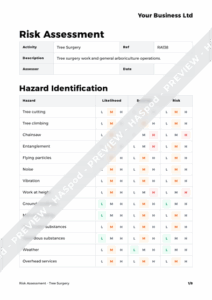
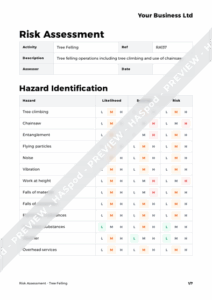
That’s where a comprehensive risk assessment comes into play. It’s not merely a bureaucratic checkbox; it’s a critical tool for identifying potential dangers, evaluating their severity, and implementing effective control measures. A well-structured approach to this vital process can literally be a lifesaver, ensuring that everyone involved understands the risks and knows how to mitigate them. To make this crucial task more manageable and consistent, many organizations turn to a reliable work at height risk assessment template.
Understanding The Core Elements Of A Work At Height Risk Assessment
Before we dive into the specifics of a template, it’s essential to grasp what “work at height” truly means and why assessing its risks is non-negotiable. Generally, work at height refers to any work in a place where, if precautions are not taken, a person could fall a distance liable to cause personal injury. This includes working on a ladder, a scaffold, a flat roof, near an opening in the floor, or even from a cherry picker. The risks associated are diverse, ranging from falls from height to objects falling from above, and each scenario demands careful consideration.
The primary goal of a risk assessment is to ensure the safety and well-being of workers. Beyond the ethical obligation, there are significant legal requirements for employers to conduct thorough risk assessments and implement control measures to prevent harm. Failing to do so can lead to severe penalties, including fines and imprisonment, not to mention the devastating human cost of an accident. A systematic approach ensures that nothing is overlooked, providing a clear roadmap for safety.
A proper assessment isn’t just about listing hazards; it’s about a proactive, investigative process. It involves looking at the task, the environment, the equipment, and the people involved to foresee potential problems. This foresight allows for preventative actions rather than reactive ones. Think of it as a detailed safety brief that happens before the first foot leaves the ground, setting the tone for a safe operation from start to finish.
Implementing a robust work at height risk assessment template helps standardize this process across different projects and teams. It ensures that all the necessary information is collected consistently, making it easier to compare assessments, track improvements, and demonstrate compliance to regulatory bodies. This structured approach fosters a culture of safety and accountability throughout the organization.
Key Information To Capture
- Detailed site location and specific work area identification
- A clear, concise description of the work at height task being performed
- Names and roles of all personnel involved in the task
- List of all equipment and tools to be used, including access equipment
- Assessment of environmental factors, such as expected weather conditions
- Clearly defined emergency procedures and rescue plans
Practical Application And Best Practices For Your Template
Having a work at height risk assessment template is just the first step; the true value comes from its diligent and thoughtful application. It’s crucial to understand that a template isn’t a “fill it and forget it” document. It serves as a framework to guide your thought process in identifying and managing risks for each specific job. Before any work at height commences, the template should be completed thoroughly, detailing the specific hazards present for that task at that location, and outlining the precise control measures required. This might involve choosing the right type of access equipment, implementing fall protection systems, or ensuring adequate training for the team.
Furthermore, a risk assessment is a living document, not a static one. Conditions can change rapidly on a worksite – weather might turn, equipment could malfunction, or the scope of work might adjust. Therefore, it’s vital to review and, if necessary, revise your assessment regularly and whenever there are significant changes. A quick “dynamic risk assessment” on site before starting work is also a good practice, allowing workers to identify any new or unforeseen hazards that weren’t present during the initial planning phase. This continuous vigilance is a cornerstone of effective safety management.
Effective communication is another key aspect. Once the risk assessment is complete, its findings and the proposed control measures must be clearly communicated to everyone involved in the work. This isn’t just about handing out a printout; it involves a clear, verbal briefing, an opportunity for questions, and ensuring that all workers understand their roles and responsibilities in maintaining safety. When everyone is on the same page and fully understands the risks and the safety protocols, the likelihood of an incident significantly decreases.
Lastly, remember that the best template is only as good as the information put into it and the actions taken based on that information. Integrate your risk assessment process with your overall safety management system, ensuring that lessons learned from one project can inform future ones. Regular training, auditing, and review cycles help to embed these best practices, making safety an intrinsic part of how work is done, rather than an afterthought.
Ensuring every project involving elevated work is preceded by a meticulous risk assessment is not merely about ticking boxes; it’s about fostering an environment where safety is paramount. Utilizing a structured approach, like the frameworks provided by a well-designed template, empowers teams to systematically identify, evaluate, and control potential hazards. This proactive stance significantly reduces the likelihood of accidents and protects valuable lives and resources.
By consistently applying these principles and continuously refining your safety practices, you build a culture of caution and competence. This dedication to robust safety planning ensures that every worker returns home safely at the end of the day, making workplaces safer and operations more reliable for everyone involved.