Navigating the complexities of waste management can often feel like a juggling act. From ensuring environmental compliance to safeguarding worker health and maintaining operational efficiency, there are myriad challenges that businesses and organizations face daily. Without a structured approach, hidden risks can quickly surface, leading to costly penalties, reputational damage, and even serious harm.

This is where a proactive strategy becomes indispensable. Identifying, evaluating, and mitigating potential hazards before they escalate is not just good practice; it is a fundamental requirement for sustainable and responsible operations. A well-designed framework helps you systematically uncover vulnerabilities, prioritize actions, and build resilience against unexpected disruptions in your waste handling processes.
Understanding the Core Components of a Waste Management Risk Assessment
Embarking on a comprehensive risk assessment for waste management requires a clear understanding of its fundamental building blocks. It is not simply about ticking boxes; it is about creating a living document that genuinely reflects your operational environment and helps you make informed decisions. The process typically begins with a thorough identification of all potential hazards associated with your waste streams, from generation to disposal. This means looking at every stage and every type of waste, considering what could go wrong, and who or what could be affected.
Once potential hazards are identified, the next step involves analyzing the risks. This means determining the likelihood of each hazardous event occurring and the severity of its potential consequences. For instance, a spill of a non-toxic liquid might be likely but have low severity, whereas a leak of a highly corrosive chemical might be less likely but carry extremely high severity. Understanding this balance helps in prioritizing which risks demand immediate attention and resources. It also highlights areas where existing controls might be insufficient or entirely absent.
Key Areas for Risk Identification
- Operational risks involving equipment malfunction, human error, or process failures.
- Environmental risks such as soil contamination, water pollution, or air emissions.
- Health and safety risks to employees, contractors, and the public, including exposure to hazardous materials or physical injuries.
- Compliance and regulatory risks, including violations of local, national, and international waste laws.
- Financial risks stemming from fines, cleanup costs, or loss of business.
- Reputational risks associated with negative public perception or media scrutiny.
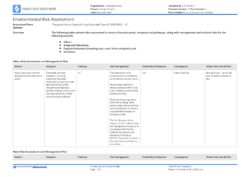
Finally, with a clear picture of your risks, the focus shifts to mitigation and control. This stage involves developing and implementing strategies to eliminate, reduce, or manage the identified risks. This could range from implementing new safety procedures, investing in better equipment, providing more rigorous training, or exploring alternative waste treatment methods. A robust waste management risk assessment template guides you through this entire cycle, ensuring no critical step is overlooked and your control measures are both effective and proportionate to the risks faced.
Implementing Your Waste Management Risk Assessment Template Effectively
Successfully integrating a waste management risk assessment template into your daily operations goes beyond just filling out a form; it requires a strategic approach to implementation and continuous improvement. The real value comes from making it an integral part of your organizational culture, where risk awareness and proactive management are second nature. Start by clearly defining the scope of your assessment. Are you evaluating a single process, an entire site, or your complete waste management chain across multiple locations? A well-defined scope ensures that your efforts are focused and yield relevant results.
Once the scope is clear, gather a diverse team from different departments who have insights into various aspects of waste generation and handling. This collaborative approach brings varied perspectives, ensuring a more comprehensive identification of risks and more practical solutions. Training is also paramount. Ensure that all personnel involved in waste management, from the ground staff to the supervisors, understand their roles in risk identification and mitigation. This not only empowers them but also creates a shared sense of responsibility for safety and environmental protection.
Consistency is key when using your waste management risk assessment template. It should not be a one-off exercise but rather a dynamic tool that is regularly reviewed and updated. Changes in processes, new waste streams, updated regulations, or even new equipment can introduce new risks or alter existing ones. Therefore, scheduling periodic reviews, perhaps annually or whenever a significant operational change occurs, ensures that your risk assessment remains current and effective.
Consider these practical steps for effective implementation:
- Customize the template to perfectly align with your specific industry, waste types, and operational nuances.
- Assign clear responsibilities for conducting reviews, implementing controls, and monitoring their effectiveness.
- Establish a clear communication channel for reporting new hazards or incidents.
- Document all findings, actions taken, and the results of those actions for future reference and audits.
- Integrate the risk assessment findings into your broader environmental management system or safety protocols.
By following these steps, your organization can foster a safer, more compliant, and environmentally responsible approach to waste management, minimizing potential liabilities and enhancing overall operational resilience.
Embracing a systematic approach to risk management in waste operations is a strategic investment in the long-term health and sustainability of your business. It transforms potential threats into opportunities for improvement, driving efficiency and building a stronger reputation for environmental stewardship. Ultimately, it’s about creating a safer environment for everyone involved and protecting the planet we share.
By proactively identifying and addressing vulnerabilities, you not only comply with regulatory requirements but also foster a culture of safety and responsibility within your organization. This diligence leads to fewer incidents, reduced costs, and a more robust operational framework, ensuring that your waste management practices are as effective and sustainable as possible for years to come.