Ever wondered if you are truly getting the best bang for your buck, whether it is for a large project, a new software investment, or even a public service initiative? It is a question that gnaws at decision makers everywhere. Moving beyond simply looking at the lowest price, the concept of value for money encourages a deeper, more comprehensive evaluation of what you are receiving in return for your investment. It is about understanding the full spectrum of benefits and impacts, not just the immediate costs.

Navigating this complex assessment can often feel like a shot in the dark without a clear roadmap. That is precisely where a structured approach comes into play. A well-designed value for money assessment template provides that much needed framework, helping you systematically evaluate proposals, projects, or existing services. It ensures consistency in your analysis, highlights critical factors you might otherwise overlook, and ultimately empowers you to make more informed, transparent, and defensible decisions.
Deconstructing Value for Money What It Truly Means
When we talk about value for money, we are looking far beyond the initial price tag. It is a holistic approach that seeks to maximize the benefit gained from resources expended. Imagine you are choosing between two service providers; one is cheaper but has a questionable track record, while the other is slightly more expensive but guarantees excellent results and ongoing support. Value for money helps you weigh these intangible benefits and risks alongside the raw cost.
This comprehensive perspective is crucial for any organization, be it a private company aiming for profitability, a non profit striving for social impact, or a government agency delivering public services. It ensures that every pound, dollar, or euro spent contributes effectively to achieving the desired outcomes. Without this framework, decisions can become reactive, driven purely by cost minimization, which often leads to poor long-term results and wasted resources down the line.
The Four Pillars of Value for Money
To truly grasp value for money, it is helpful to consider its core components, often referred to as the Four Es. These elements provide a robust framework for assessment, allowing you to break down the evaluation into manageable and measurable parts. Each ‘E’ sheds light on a different facet of the investment’s performance and impact.
Here are the four pillars:
- Economy
- Efficiency
- Effectiveness
- Equity
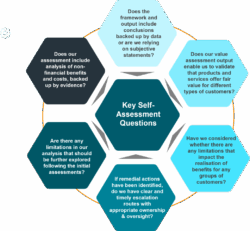
Economy focuses on minimizing the cost of inputs for a given quality. Are we acquiring resources at the best possible price? Efficiency looks at the relationship between inputs and outputs. Are we converting our resources into goods or services in the most productive way? Effectiveness measures the extent to which objectives are being achieved. Are we actually accomplishing what we set out to do? Finally, Equity considers the fair distribution of benefits and impacts amongst different groups. Is the value being created accessible and beneficial to all intended stakeholders? By considering these four dimensions, an organization can conduct a thorough and nuanced assessment of any expenditure.
Understanding and applying these principles through a systematic process is what makes the development and use of a value for money assessment template so powerful. It moves the conversation from speculative judgments to evidence based conclusions, fostering a culture of accountability and continuous improvement within any project or organization.
Crafting Your Own Value For Money Assessment Template A Practical Guide
Developing a robust value for money assessment template does not have to be an overwhelming task. It is more about structuring your thought process and ensuring all relevant aspects are considered systematically. Think of it as building a customizable toolkit that helps you consistently evaluate various options or projects against predefined criteria. This template becomes your go-to resource for making sure every investment aligns with your strategic goals and delivers tangible returns.
The beauty of a template lies in its adaptability. While core principles remain constant, specific criteria and weightings will inevitably vary depending on the context of your assessment. For instance, evaluating a new IT system will require different metrics than assessing a community outreach program. Therefore, the first step is always to clearly define the scope and objectives of the project or initiative you are evaluating. What are you trying to achieve, and what resources are involved?
Once your objectives are clear, you can begin to outline the key sections and components your template will need. This includes identifying the specific data points you will collect, the benchmarks you will use for comparison, and the method for scoring or ranking different options. A good template will guide you through gathering both quantitative data, such as financial costs and output figures, and qualitative data, like stakeholder feedback and perceived benefits.
The final piece of the puzzle is establishing a clear process for analysis and decision making. Your value for money assessment template should not just be a data collection tool; it should also facilitate meaningful interpretation. This often involves assigning weights to different criteria, calculating overall scores, and providing space for written commentary and recommendations. A well designed template streamlines this entire workflow, from initial data input to the presentation of actionable insights.
Here are some essential sections to include in your template:
- Defining Clear Objectives
- Identifying Relevant Criteria and Metrics
- Establishing Data Collection Methods
- Analyzing Data and Generating Insights
- Formulating Recommendations and Action Plans
Ultimately, having a comprehensive value for money assessment template empowers you to move beyond gut feelings and subjective opinions. It provides a standardized, transparent, and objective way to evaluate investments, ensuring that resources are always allocated in the most effective and impactful manner. This disciplined approach leads to better outcomes, increased accountability, and greater confidence in your decision making process.