Owning or operating a swimming pool, whether it is for public use, a hotel, a school, or even a private residence with regular guests, comes with a significant responsibility. The joy and relaxation pools offer can quickly turn into a serious hazard if proper safety measures aren’t in place. Ensuring the safety of everyone who uses your pool isn’t just a moral imperative; it often comes with legal obligations too.

This is where a structured approach to safety becomes incredibly valuable. Instead of relying on guesswork or ad-hoc checks, a comprehensive risk assessment helps you systematically identify potential dangers, evaluate their likelihood and severity, and put effective controls in place. It’s about being proactive, not reactive, and making sure your aquatic environment remains a safe haven for fun and fitness.
Why a Risk Assessment is Non-Negotiable for Your Pool
The safety of anyone entering your swimming pool area is paramount. Neglecting this duty of care can lead to serious accidents, potential legal repercussions, and significant distress. A well-executed risk assessment isn’t just about ticking boxes; it’s about fostering a culture of safety that protects lives and reputations. It demonstrates a commitment to providing a secure environment, which is reassuring for users and essential for operators.
Pools present a unique array of hazards. Beyond the obvious risk of drowning, which tragically can happen silently and quickly, there are countless other dangers. Think about slippery surfaces around the pool deck, leading to falls and injuries. Consider the chemicals used to maintain water quality, which can cause skin irritation or respiratory issues if improperly handled or balanced. Even the design of the pool itself, from depths to steps and diving boards, carries specific risks that need careful evaluation.
Identifying these potential pitfalls is the first step towards mitigating them. A systematic approach ensures that nothing is overlooked, from the most apparent dangers to the subtle ones that might only emerge under specific circumstances. It helps you anticipate problems before they occur, allowing you to implement preventative measures rather than dealing with the aftermath of an incident.
The process involves careful observation and consideration of all aspects of your pool’s operation. This methodical examination is simplified significantly when you have a clear framework to follow, such as a swimming pool risk assessment template. It guides you through each stage, ensuring consistency and thoroughness, ultimately leading to a safer environment for everyone.
Key Steps in Your Pool’s Risk Assessment
- Identify hazards: What could cause harm in or around the pool? This includes physical objects, chemicals, procedures, and environmental factors.
- Who might be harmed and how? Consider different user groups like children, elderly individuals, inexperienced swimmers, or staff members.
- Evaluate the risks: How likely is it that someone will be harmed, and how serious could that harm be? Assign a severity and likelihood rating.
- Record your findings and implement controls: Document what you’ve found and detail the actions you will take to reduce or eliminate the risks.
- Review and update regularly: Risks can change over time, so your assessment should be a living document, updated periodically or after any incident or significant change.
Building Your Effective Swimming Pool Risk Assessment Template
When it comes to putting a risk assessment into practice, having a robust swimming pool risk assessment template is invaluable. It transforms a daunting task into a manageable project, providing a clear structure to follow. A good template isn’t just a generic form; it’s a comprehensive guide that prompts you to consider every facet of your pool’s operation and environment, ensuring no critical area is overlooked.
An effective template should encourage detailed thought rather than just superficial checks. It should help you not only identify the hazards but also think critically about who might be exposed to them and what control measures are already in place or need to be implemented. This might include anything from signage and fencing to the training of staff and the regular testing of water chemistry.
The beauty of a well-designed template is its adaptability. While it provides a foundational framework, it should also allow for customization to suit the unique characteristics of your particular pool. A small hotel pool will have different considerations than a large public leisure center, but both can benefit from the same systematic approach outlined by a good template.
Regular review is also a critical component that a good template can help facilitate. Pools are dynamic environments; equipment ages, rules change, and new activities might be introduced. The template should prompt you to revisit your assessment periodically, or whenever significant changes occur, ensuring that your safety measures remain relevant and effective.
Areas to Cover in Your Template
- Pool Surroundings: Slippery surfaces, obstructions, adequate lighting, emergency exits, fencing and gates.
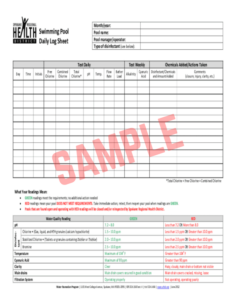
- Water Quality and Filtration: Chemical levels (chlorine, pH), filtration system functionality, water clarity, temperature control.
- Emergency Procedures: Availability of rescue equipment (lifebuoys, shepherd’s crooks), first aid provisions, clear emergency contact information, evacuation plans, alarm systems.
- Supervision and Staff Training: Lifeguard qualifications, adequate staff-to-swimmer ratios, staff training in first aid and CPR, clear roles and responsibilities.
- Maintenance and Equipment Checks: Regular inspection of diving boards, slides, ladders, steps, pool covers, and other ancillary equipment for wear and tear.
- User Behavior and Rules: Clear signage for pool rules, depth markers, no-diving zones, and enforcement of these rules.
Implementing a thorough risk assessment is a continuous process that underpins the safe operation of any swimming pool. It’s about creating an environment where enjoyment and well-being are prioritized, allowing users to relax and have fun without unnecessary worry. By systematically identifying and managing potential dangers, you are taking proactive steps to safeguard everyone who steps into your aquatic facility.
Embracing this proactive approach transforms pool safety from a series of reactive fixes into a structured, forward-thinking strategy. It fosters confidence among users and demonstrates a clear commitment to their welfare, ensuring that your swimming pool remains a source of joy and recreation for all, supported by a robust framework of safety and vigilance.