There’s a special magic that comes with hosting an event outdoors. Whether it’s a music festival under the stars, a vibrant community fair in the park, a corporate picnic by the lake, or a thrilling sporting competition, outdoor settings offer a unique atmosphere that indoor venues simply can’t replicate. The open air, natural beauty, and expansive space often contribute to more memorable and engaging experiences for everyone involved.

However, the very elements that make outdoor events so captivating – nature’s unpredictability and the lack of fixed structures – also introduce a distinct set of challenges. Unlike a controlled indoor environment, an outdoor space brings variables like weather changes, uneven terrain, and more complex logistics into play. This is precisely why having a robust strategy for managing potential problems is not just good practice, but absolutely essential for the safety and success of your event.
Understanding the Imperative of Outdoor Event Risk Assessment
When you’re planning an outdoor gathering, thinking about what could go wrong isn’t about being pessimistic; it’s about being prepared and responsible. A comprehensive risk assessment serves as your preventative shield, helping you identify potential hazards before they escalate into serious issues. It allows you to systematically evaluate risks, determine their likelihood and impact, and then put effective control measures in place to mitigate them.
Ignoring this crucial step can lead to a multitude of problems, ranging from minor inconveniences like a sudden downpour causing a temporary halt, to severe incidents that could result in injuries, legal liabilities, or even the cancellation of your event. Nobody wants to be caught off guard, especially when the well-being of attendees, staff, and performers is on the line. That’s why a proactive approach is always the best approach.
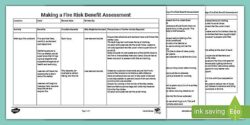
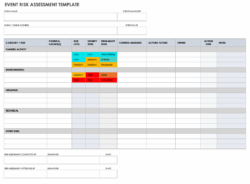
Think of an outdoor event risk assessment template as your roadmap to safety. It guides you through a structured process, ensuring that no stone is left unturned when it comes to potential dangers. By having a clear, documented plan, you’re not just hoping for the best; you’re actively working to create a safe and enjoyable environment for everyone involved. This tool is invaluable, whether you’re a seasoned event planner or organizing your very first outdoor spectacle.
Common Hazard Categories to Consider
As you delve into preparing your risk assessment, it’s helpful to categorize potential hazards. This makes the process more manageable and ensures you cover a broad spectrum of possibilities that are unique to outdoor settings. Being thorough at this stage will significantly strengthen your overall safety plan.
- Weather-related risks: High winds, heavy rain, lightning, extreme heat, cold, or sudden temperature drops.
- Site-specific dangers: Uneven ground, hidden obstacles, poor lighting, water features, wildlife, or unstable structures.
- Crowd management issues: Overcrowding, inadequate entry/exit points, poor signage, security breaches, or lost children.
- Equipment and infrastructure: Power failures, sound system malfunctions, insufficient sanitation, unstable staging, or inadequate first aid stations.
- Health and safety: Food poisoning, allergic reactions, medical emergencies, dehydration, or slips, trips, and falls.
Crafting and Utilizing Your Outdoor Event Risk Assessment Template
Developing an effective outdoor event risk assessment template involves more than just listing problems; it’s about creating a living document that guides your actions from planning to execution. The beauty of a template is its adaptability. While core sections remain constant, you can tailor the specifics to suit the unique nature, scale, and location of each individual event. This customization ensures relevance and efficacy, making your safety plan as specific as possible.
Start by breaking down your event into different phases and areas. Consider the setup, the operational period, and the breakdown. For each phase, walk through the entire event site, mentally (or physically) noting every potential hazard. Engage your team in this process; fresh eyes often spot things others might overlook. This collaborative approach enhances the quality of your assessment and fosters a shared responsibility for safety.
Once hazards are identified, the next step is to assess the risk. For each hazard, consider its likelihood (how probable is it to occur?) and its potential impact (how severe would the consequences be?). This allows you to prioritize risks, focusing your resources on those with the highest probability and most severe outcomes. Assigning a risk rating – perhaps low, medium, or high – can make this prioritization clear and actionable.
Finally, for every identified risk, you need to detail your control measures. What steps will you take to either eliminate the hazard or reduce its likelihood and impact? This could involve anything from having contingency plans for bad weather, ensuring clear emergency exits, hiring adequate security personnel, to regular safety briefings for staff. Make sure these measures are practical, assign responsibility to specific individuals, and include timelines for implementation. A well-executed outdoor event risk assessment template becomes an indispensable part of your operational plan.
By investing time in a thorough risk assessment, you’re not just complying with regulations; you’re actively safeguarding your event’s reputation and ensuring everyone can enjoy themselves without unnecessary worry. It’s about building confidence – for your team, your attendees, and even local authorities – that your event is in capable hands, ready for anything nature might throw its way.
Ultimately, a successful outdoor event is one where the magic happens seamlessly, underpinned by meticulous planning and a strong commitment to safety. Proactive hazard identification and mitigation are the cornerstones of this success, allowing you to focus on creating unforgettable experiences rather than reacting to avoidable crises. It’s the difference between merely hoping for the best and actively preparing for it.