Maintaining a comfortable indoor environment is crucial, whether it’s in your office, factory, or even your home. Air conditioning systems play a vital role in achieving this, providing cool air during hot months and sometimes heat when temperatures drop. However, these complex systems aren’t just about comfort; they also carry potential risks that, if left unaddressed, can lead to serious health issues, operational disruptions, and even legal complications.
Understanding and mitigating these risks is not just good practice; it’s often a legal requirement. From ensuring the air quality is safe to preventing mechanical failures, a thorough assessment is the cornerstone of responsible air conditioning management. This is where a structured approach becomes invaluable, helping you systematically identify, evaluate, and control potential hazards associated with your AC units.
Why a Risk Assessment for Air Conditioning is Crucial
Thinking about your air conditioning system often brings thoughts of cool relief, but beneath the surface of comfortable temperatures lies a series of potential issues that demand attention. Ignoring these can lead to more than just a broken unit; it can impact the health of occupants, incur significant repair costs, and even attract fines for non-compliance with safety regulations. A comprehensive risk assessment isn’t just a tick-box exercise; it’s a proactive step towards ensuring a safe, efficient, and compliant environment. It protects both people and your investment.
Beyond the immediate comfort, AC systems are complex machines with various components that can pose risks. These range from biological hazards that can thrive in stagnant water to electrical faults and refrigerant leaks that impact the environment and human health. Understanding where these dangers lurk is the first step in creating a safe operational space, and this is precisely what a well-structured air conditioning risk assessment template helps you achieve. It provides a clear framework to methodically review every aspect of your system.
Identifying Common Hazards
To give you an idea, here are some of the most frequently encountered hazards associated with air conditioning systems:
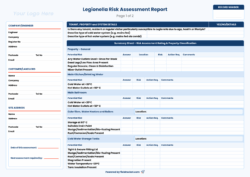
- Legionella Bacteria: Often associated with water-based cooling systems like cooling towers and evaporative condensers, but can also be a concern in poorly maintained humidifiers or condensate trays.
- Refrigerant Leaks: Many refrigerants are harmful if inhaled, contribute to global warming, and can deplete the ozone layer. Leaks can also reduce cooling efficiency.
- Electrical Faults: Worn wiring, faulty components, or improper installation can lead to short circuits, fires, or electric shocks.
- Poor Indoor Air Quality: Clogged filters or inadequate ventilation can lead to a buildup of dust, allergens, mold spores, and other pollutants, exacerbating respiratory conditions.
- Noise and Vibration: Excessive noise from units can be a nuisance and, over time, can impact employee concentration and wellbeing.
- Physical Injury During Maintenance: Risks include falls from height, cuts from sharp components, or injuries from moving parts if safety protocols aren’t followed.
- Fire Risk: Overheated components, electrical faults, or accumulation of flammable materials can pose a fire hazard.
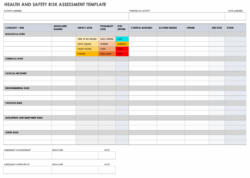
Once these hazards are identified, the next step is to evaluate the likelihood of them occurring and the severity of their potential impact. This enables you to prioritize which risks need immediate attention and which can be managed through ongoing monitoring and routine maintenance. It’s all about creating a safer environment for everyone.
How to Implement and Maintain Your Air Conditioning Risk Assessment
Implementing an air conditioning risk assessment is not a one-time event; it’s an ongoing process that requires regular review and adaptation. Initial assessments are crucial for establishing a baseline understanding of your system’s risks, but changes in equipment, usage patterns, or environmental factors mean that these assessments need to be periodically updated. Think of it as a living document that evolves with your system and premises, ensuring continuous safety and compliance.
The process typically begins with a thorough inspection of all air conditioning units, including their components, location, and the areas they serve. This involves checking for visible signs of wear and tear, assessing filtration systems, inspecting drainage trays for standing water, and verifying that all safety guards are in place. It also includes reviewing maintenance records to understand the history of the unit and any recurring issues that might have been identified previously. Consulting with maintenance staff or external experts can provide invaluable insights here.
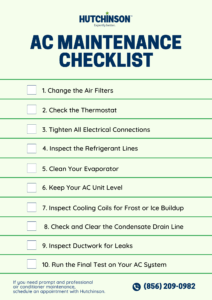
Once risks are identified, the next critical step is to develop and implement control measures. This might involve anything from simple actions like scheduling regular filter replacements and cleaning condensate trays, to more significant interventions such as repairing faulty wiring, upgrading to safer refrigerants, or installing new ventilation systems. Each control measure should be assigned to a responsible person, with clear deadlines and a method for verifying its effectiveness once implemented.
Beyond the initial implementation, ongoing monitoring and regular review are paramount. This includes routine checks to ensure control measures remain effective, staff training on safe operating procedures, and maintaining detailed records of all assessments, actions taken, and any incidents that occur. By consistently revisiting and updating your air conditioning risk assessment, you ensure that your systems operate safely, efficiently, and in full compliance with relevant health and safety standards, ultimately protecting both your occupants and your investment in the long term.
A well-managed air conditioning system isn’t just about comfort; it’s a testament to responsible management and a commitment to health and safety. By systematically identifying and mitigating potential hazards, you safeguard not only the longevity of your equipment but, more importantly, the well-being of everyone who interacts with your indoor environment. It ensures peace of mind, knowing that your systems are operating optimally and safely.
Embracing a proactive approach to air conditioning safety ensures that potential problems are addressed before they escalate, saving you from costly repairs and potential health crises. It’s an investment in the overall integrity of your building and the health of its occupants, promoting a productive and healthy atmosphere for all.