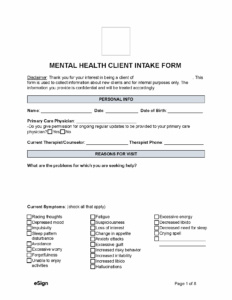
Embarking on a journey of mental health support, whether as a practitioner or someone seeking help, often begins with a crucial first step: the initial assessment. This foundational conversation is more than just a chat; it’s a detailed exploration designed to understand an individual’s unique situation, concerns, and history. Getting this right sets the stage for effective treatment and builds the essential rapport needed for a successful therapeutic relationship.
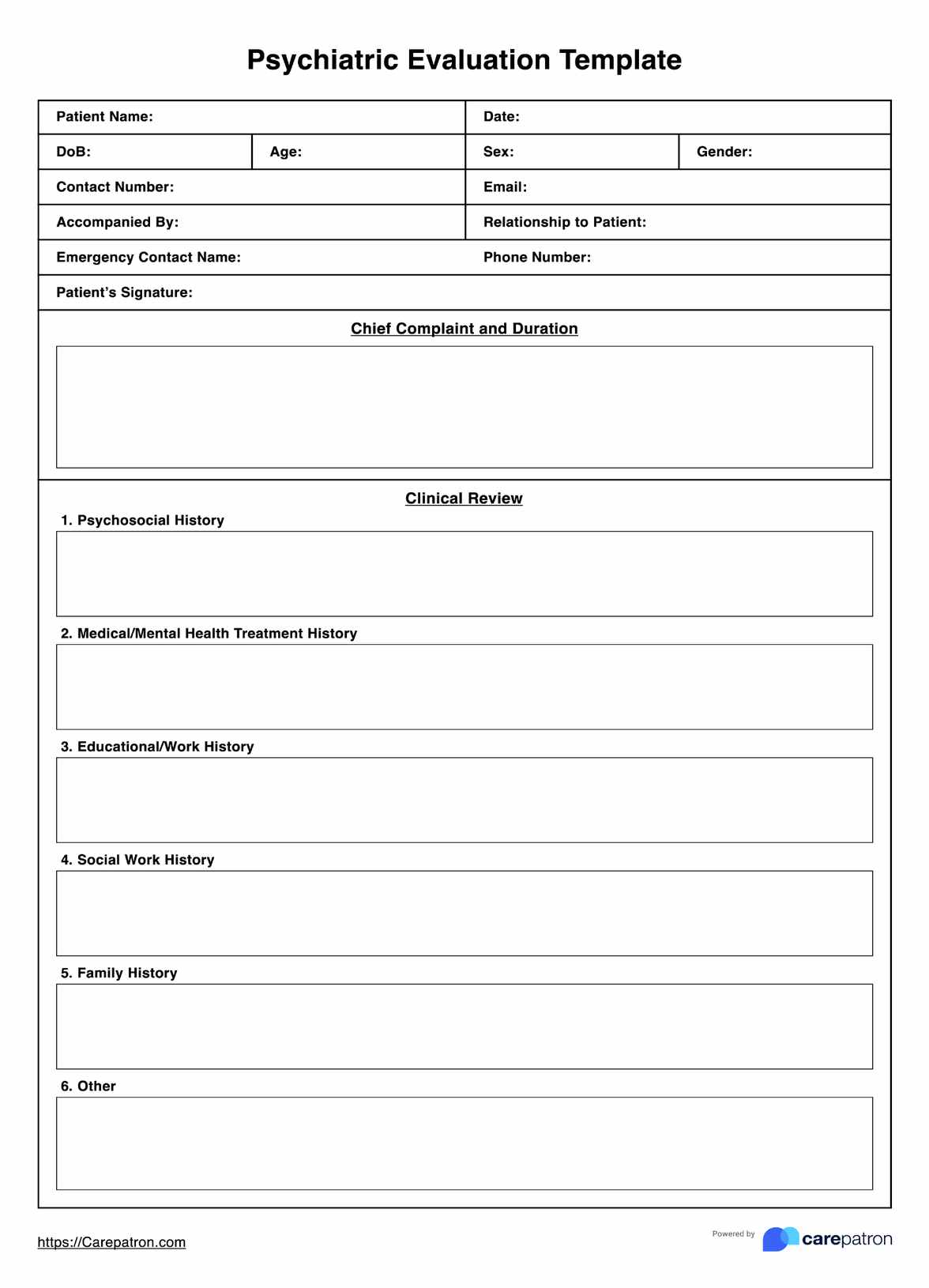
For mental health professionals, ensuring consistency, comprehensiveness, and efficiency during this vital phase can be a challenge, especially with diverse client needs and limited time. This is precisely where a well-designed mental health initial assessment template becomes an invaluable tool. It acts as a guide, helping to ensure that no critical information is overlooked while still allowing for the flexibility needed to address individual nuances.
What Goes Into a Comprehensive Initial Assessment?
A truly effective initial assessment gathers a holistic picture of the client, moving beyond just their presenting problem to understand the broader context of their life. Think of it as piecing together a complex puzzle, where each piece of information, no matter how small, contributes to the overall understanding and informs the treatment plan. It’s about building a narrative that accurately reflects the client’s experiences and needs.
Typically, the process begins with collecting basic demographic information and the client’s primary reason for seeking help. This helps to orient the session and provides initial data for administrative purposes. From there, the conversation gently expands to explore the duration, intensity, and impact of their current symptoms on their daily life, work, and relationships. It’s crucial to understand the client’s subjective experience rather than just ticking boxes.
Beyond the immediate concerns, a thorough assessment delves into various aspects of a client’s history. This includes their personal and family psychiatric history, any previous mental health treatments, and their response to those interventions. We also consider medical history, current medications, and any chronic health conditions, as physical and mental health are deeply interconnected. Social history, encompassing family dynamics, educational background, employment, social support systems, and cultural considerations, provides vital context for understanding the client’s environment and resilience factors.
It’s also essential to assess for any immediate safety concerns, including thoughts of self harm or harm to others, as well as any history of trauma or substance use. This helps in prioritizing interventions and ensuring the client’s immediate safety and well-being. A structured mental health initial assessment template provides prompts for these sensitive but necessary inquiries, ensuring they are addressed respectfully and thoroughly.
Key Areas to Explore
To give you a clearer idea, here are some core components you’d typically find covered:
- Client Demographics: Name, age, gender, contact information, emergency contact.
- Presenting Problem and History of Presenting Problem: What brings them in, how long, how severe, what makes it better or worse.
- Psychiatric History: Previous diagnoses, hospitalizations, treatments, medications, therapy experiences.
- Medical History: Current and past physical health conditions, medications, allergies, significant illnesses or injuries.
- Substance Use History: Alcohol, illicit drugs, prescription drug misuse, frequency, quantity, impact.
- Family History: Mental health conditions, substance use, significant medical issues within the family.
- Social History: Education, employment, relationships, living situation, legal issues, spiritual beliefs.
- Developmental History: Early childhood experiences, significant life events, trauma history.
- Risk Assessment: Suicidal ideation, homicidal ideation, self harm behaviors, history of violence, abuse.
- Strengths and Resources: Coping mechanisms, support systems, personal interests, goals.
Benefits of Using a Structured Template
Employing a structured mental health initial assessment template isn’t just about ticking boxes; it’s about elevating the standard of care, ensuring comprehensive data collection, and ultimately, improving client outcomes. When every professional uses a similar framework, it creates a baseline for quality and helps maintain consistency across different practitioners or even within a single practice over time. This systematic approach becomes a cornerstone of effective service delivery.
One of the most immediate benefits is the enhancement of efficiency and consistency. During that initial, often sensitive, conversation, it’s easy for even experienced practitioners to inadvertently miss a critical piece of information when relying solely on memory or an unstructured chat. A template acts as a gentle reminder, guiding the conversation through all necessary domains without making it feel rigid. This saves valuable time in subsequent sessions by reducing the need to backtrack for forgotten details, allowing for a more focused therapeutic process from the start.
Furthermore, a well-designed template significantly improves documentation, which is vital for both ethical practice and legal protection. Clear, comprehensive records ensure continuity of care, especially if a client transitions between different clinicians or services. It also provides a robust account of the assessment process, justifying the diagnostic impressions and treatment plans that follow. In a world where accountability is paramount, detailed documentation serves as a cornerstone of responsible practice.
Finally, templates are incredibly useful for training new clinicians or for supervision. They provide a clear framework for what needs to be covered and how to structure an assessment, offering a practical learning tool. For seasoned professionals, they can serve as a quick reference or a periodic check to ensure all critical areas are consistently addressed. It’s about creating a shared understanding of what a thorough initial assessment entails, fostering a higher standard of care across the board.
The thoroughness and consistency gained from using a structured approach during the initial assessment phase profoundly impact the entire course of mental health support. It allows practitioners to develop highly individualized and effective treatment plans that truly address the client’s specific needs, leading to better engagement and improved therapeutic outcomes.
Ultimately, investing time in a robust initial assessment framework, supported by a thoughtful template, empowers mental health professionals to deliver the highest quality of care. It ensures every client receives a comprehensive and compassionate entry point into services, fostering trust and setting them on the most appropriate path towards healing and well-being.