Ensuring the safety of everyone in your workplace is not just a moral obligation; it’s a fundamental legal requirement. Fire safety, in particular, stands as a cornerstone of this responsibility, demanding careful consideration and proactive measures. Neglecting this crucial aspect can lead to devastating consequences, from serious injuries and loss of life to significant property damage and severe legal repercussions for your business. It’s about creating an environment where every employee feels secure, knowing that robust safety protocols are in place.
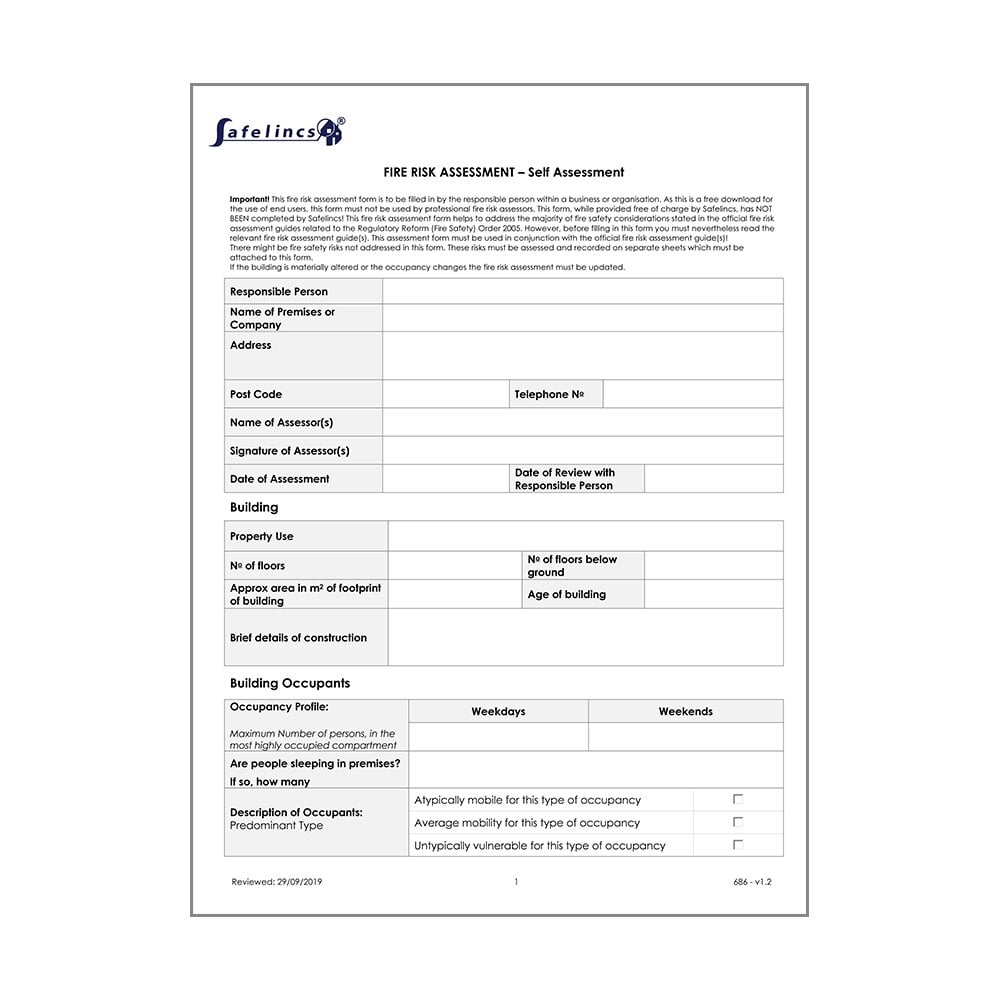
That’s where a well-structured fire risk assessment comes into play. It’s the systematic process of identifying fire hazards and people at risk, then evaluating and implementing measures to remove or reduce those risks to an acceptable level. While this might sound daunting, especially for a busy office environment, having a clear and comprehensive fire risk assessment template for office spaces can dramatically simplify the entire procedure, making it manageable and effective.
Why a Fire Risk Assessment is Crucial for Your Office
A fire risk assessment is far more than just another piece of paperwork; it’s a vital tool that underpins the safety framework of your entire organization. Legally, most countries require businesses to conduct regular fire risk assessments to protect employees and visitors. Failure to comply can result in hefty fines, legal prosecution, and even imprisonment for those responsible. Beyond the legalities, a robust assessment safeguards your most valuable asset: your people. It demonstrates a commitment to their wellbeing and fosters a culture of safety that benefits everyone.
This proactive approach helps you identify potential dangers before they escalate into an emergency. Instead of reacting to a fire, you’re actively working to prevent one. This involves understanding the unique layout of your office, the materials present, the electrical systems, and the human element. Every office has its own quirks, and a thorough assessment accounts for these specific characteristics to tailor safety measures effectively.
Understanding the Five Key Steps of a Fire Risk Assessment
To ensure comprehensive coverage, a fire risk assessment typically follows five fundamental steps. These steps guide you through the process, ensuring no critical area is overlooked and that your findings lead to tangible improvements in safety.
* Identify fire hazards. This involves looking for anything that could start a fire, such as faulty electrical equipment, flammable materials, heating appliances, or carelessly stored waste.
* Identify people at risk. Consider who might be particularly vulnerable in a fire, including employees with disabilities, visitors, lone workers, or those unfamiliar with the building layout.
* Evaluate, remove, or reduce and protect from risk. Once hazards and at-risk individuals are identified, you must assess the likelihood of a fire occurring and the potential severity. Then, take action to eliminate or minimize these risks. This could involve improving fire detection systems, installing fire extinguishers, ensuring clear escape routes, or implementing better housekeeping.
* Record, plan, inform, instruct, and train. Document your findings, create an emergency plan, and ensure all employees are aware of the risks, safety procedures, and their responsibilities. Regular fire drills and training are essential.
* Review and revise. Fire risk assessments are not a one-off task. They must be reviewed regularly, especially if there are changes to the office layout, equipment, or staffing, to ensure they remain current and effective.
By diligently following these steps, you build a solid foundation for fire safety. A dedicated fire risk assessment template for office environments can guide you through each stage, providing structured sections to record your observations, evaluations, and action plans, making the entire process much more manageable and systematic.
Streamlining Your Safety Protocol with a Ready-Made Template
Utilizing a pre-designed template for your fire risk assessment significantly streamlines what could otherwise be a complex and time-consuming task. Imagine having a clear roadmap that guides you through every necessary consideration, ensuring you don’t miss any critical details. A good template acts as a comprehensive checklist, reminding you to inspect everything from fire extinguisher locations and maintenance dates to emergency lighting functionality and the clarity of escape routes. This structured approach not only saves time but also provides peace of mind, knowing that your assessment is thorough and compliant.
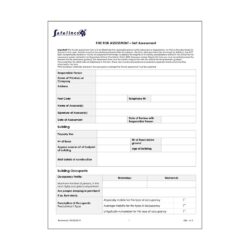
A robust template will typically include sections for recording general building information, detailing the scope of the assessment, identifying specific fire hazards, and assessing the risks to various occupants. It will often feature checklists for common office fire hazards, such as electrical equipment, heating, smoking areas, and storage of flammable materials. Crucially, it should also provide a framework for creating an action plan, assigning responsibilities, and setting deadlines for implementing necessary improvements.
Beyond initial identification, a template helps standardize your documentation. This consistency is invaluable for ongoing management and for demonstrating compliance during audits or inspections. When every assessment follows a similar format, it becomes much easier to track progress, identify recurring issues, and ensure that all necessary preventative measures are consistently applied across different areas of your office or even multiple office locations.
Moreover, a well-structured template encourages a systematic approach to risk evaluation. It prompts you to consider both the likelihood of a fire and the potential severity of its consequences, allowing for a more nuanced understanding of your risks. This detailed evaluation then informs a proportionate response, ensuring that resources are allocated effectively to address the most significant threats first. Ultimately, using a template enhances the quality and reliability of your fire safety planning, contributing to a safer and more secure working environment for everyone.
Taking the initiative to implement a comprehensive fire risk assessment in your office is a testament to your commitment to safety and operational excellence. It’s an ongoing process, not a singular event, and the benefits extend far beyond legal compliance, fostering a secure environment where your team can thrive. By meticulously identifying hazards and mitigating risks, you are actively safeguarding lives and ensuring business continuity, building resilience against unforeseen emergencies.
Embracing the structured guidance offered by a reliable template empowers you to navigate the complexities of fire safety with confidence and clarity. It transforms a potentially daunting task into a systematic and manageable process, ensuring that every crucial aspect of your office’s fire preparedness is thoroughly addressed. Ultimately, this dedication to proactive safety measures cultivates a workplace culture that values wellbeing above all else, providing peace of mind for both management and employees alike.