Ensuring the safety of everyone within your office environment is not just a regulatory requirement; it is a fundamental responsibility that fosters peace of mind and productivity. Fire poses one of the most significant and devastating threats to any workplace, with potential consequences ranging from property damage and business interruption to serious injuries or even loss of life. Proactive measures are absolutely essential to mitigate these risks and create a secure space for your team and visitors.

Understanding the potential hazards and implementing effective controls can seem like a daunting task, especially for busy office managers or business owners. This is where a structured approach becomes invaluable. By using an office fire risk assessment template, you can systematically identify, evaluate, and reduce fire risks, ensuring your premises meet safety standards and your people are protected. It provides a clear roadmap to navigate the complexities of fire safety, transforming a potentially overwhelming duty into a manageable process.
Understanding Your Office Fire Risk Assessment Responsibilities
When it comes to fire safety in an office, the buck usually stops with the “responsible person.” This often refers to the employer, building owner, occupier, or anyone with control over the premises. You have a legal duty to conduct a fire risk assessment and, crucially, to act on its findings. This isn’t just about ticking a box; it’s about genuinely understanding and mitigating the dangers that could arise, protecting not only your property but the lives of everyone who works in or visits your office. Ignoring these responsibilities can lead to severe legal penalties and, more importantly, put people at unnecessary risk.
A comprehensive fire risk assessment involves a methodical five-step process. First, you need to identify any potential fire hazards, which could be anything from faulty electrical equipment to flammable materials stored improperly. Second, you must identify who might be at risk, considering not just your regular staff but also visitors, contractors, or individuals with specific needs who might require extra assistance in an emergency. Once these are identified, the third step is to evaluate the risks and decide if your existing fire safety measures are adequate. If not, you’ll need to implement improvements. Fourth, it is vital to record your findings and any actions you take. Finally, the assessment isn’t a one-off event; it must be regularly reviewed and updated, especially if there are significant changes to your office layout, processes, or staffing.
Key Steps in the Assessment Process
Identifying fire hazards involves a thorough scan of your entire office space. Think about all potential ignition sources: electrical equipment like computers, printers, and charging devices; heating appliances; and even something as simple as incorrectly stored cleaning chemicals. Consider what could fuel a fire, such as stacks of paper, cardboard boxes, or upholstered furniture. Look for blocked escape routes or issues with fire doors that could impede evacuation.
Next, focus on the people. Beyond the general staff, consider those who might be more vulnerable, such as people with disabilities, pregnant employees, or even visitors who are unfamiliar with the layout. Think about lone workers or those working outside normal office hours, as their ability to raise an alarm or evacuate might be different. Your assessment should account for everyone who could potentially be in the building.
When evaluating risks and acting on them, you’re essentially weighing the likelihood of a fire starting against the severity of its potential impact.
* Assess the likelihood and severity of a fire.
* Implement control measures to reduce risks.
* Ensure proper fire detection and warning systems are in place.
* Plan clear escape routes and emergency procedures.
* Provide adequate firefighting equipment and training.
Finally, documenting your findings is crucial, especially if you have five or more employees. This record should detail the significant findings of your assessment, the actions you’ve taken, and your plan for future reviews. Regular reviews are important to ensure your fire safety measures remain effective and compliant as your office evolves.
How an Office Fire Risk Assessment Template Can Help You
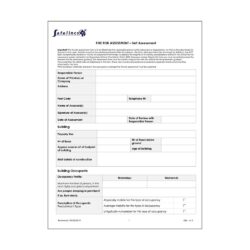
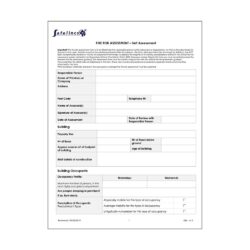
Navigating the complexities of fire safety regulations and best practices can feel overwhelming, but an office fire risk assessment template provides a clear and structured framework to guide you through the entire process. It breaks down the assessment into manageable sections, ensuring that you don’t overlook critical areas such as escape routes, fire detection systems, or emergency procedures. By providing prompts and categories for each step, a good template helps you systematically identify hazards, assess risks, and document your findings, making compliance not only achievable but also more efficient. It transforms a potentially daunting task into a series of clear, actionable steps, saving you significant time and effort.
A well-designed template acts like a checklist, reminding you of all the elements that need to be considered. It typically includes sections for recording details of the premises, identifying potential fire hazards (like electrical equipment or flammable materials), listing the people at risk (including vulnerable individuals), and evaluating existing fire safety measures. Crucially, it provides space to outline an action plan for any improvements needed and to detail your emergency procedures, including evacuation plans and assembly points. Some templates even include review dates to prompt you for future assessments, ensuring ongoing safety.
To use an office fire risk assessment template effectively, don’t just fill it out mechanically. Take the time to walk through your office, engaging with your staff to get their input on potential hazards or concerns they might have. Think critically about how each area functions and what fire risks might be unique to your specific operations. The template is a tool to help you structure your thoughts and findings, but the real value comes from the thoroughness of your inspection and your commitment to acting on the information you gather. It’s about proactive prevention, not just reactive documentation.
Ultimately, while a pre-made office fire risk assessment template is an incredibly useful starting point and a powerful aid, it’s essential to remember it’s a guide, not a substitute for due diligence and understanding. Your specific office environment will have unique characteristics and potential risks that require your careful attention and tailored solutions. By consistently applying the principles outlined in such a template, you empower your organization to maintain a high standard of fire safety, protecting your people and your business from unforeseen dangers.
Taking proactive steps to manage fire risks is an ongoing commitment, not a one-time chore. A robust fire safety strategy, underpinned by regular assessments and diligent implementation, provides an invaluable layer of protection for your employees, assets, and business continuity. It demonstrates a genuine care for wellbeing and a responsible approach to workplace management.
By integrating comprehensive fire safety practices into your routine operations, you build a resilient and secure environment. This dedication ensures that everyone who steps through your office doors can do so with confidence, knowing that their safety has been thoroughly considered and prioritised.