Working with electricity, especially when conducting tests or maintenance, always comes with an inherent degree of risk. It’s not just about getting the job done; it’s fundamentally about ensuring everyone goes home safe at the end of the day. Accidents involving electricity can range from minor shocks to severe injuries or even fatalities, not to mention significant damage to equipment and property. That’s why a proactive and systematic approach to safety is not just good practice, but an absolute necessity.

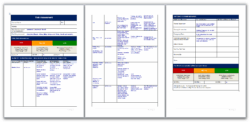
This systematic approach is where an electrical testing risk assessment template becomes invaluable. It provides a structured framework to identify potential hazards, evaluate the likelihood and severity of harm, and implement effective control measures before any work begins. Instead of relying on memory or ad-hoc checks, a template ensures consistency, thoroughness, and compliance with safety regulations, making your electrical testing procedures significantly safer and more reliable.
Understanding the Core Elements of Electrical Risk Assessment
Embarking on any electrical testing task without a clear understanding of the associated risks is like driving blindfolded. Electrical risk assessment is the process of identifying potential hazards in your testing environment and procedures, and then evaluating how likely and severe the harm from those hazards could be. This isn’t just a bureaucratic step; it’s a critical safety measure that protects workers, prevents equipment damage, and ensures operational continuity. Failing to conduct a proper assessment can lead to devastating consequences, both human and financial.
The process of assessing electrical risks requires a systematic mind and an eye for detail. It involves considering not just the obvious dangers like exposed live wires, but also less apparent issues such as faulty test equipment, inadequate personal protective equipment (PPE), or even the environment in which the testing is taking place, like damp conditions or crowded spaces. Every step of your testing procedure needs to be scrutinized for potential points of failure or hazard exposure.
Key Stages in Developing Your Electrical Testing Risk Assessment Template
Creating an effective electrical testing risk assessment template involves several crucial stages, each building upon the last to form a comprehensive safety net. Let’s break down how you can structure your thought process and the template itself to capture all necessary information.
- Identify Potential Electrical Hazards: Begin by listing every possible hazard. This includes direct contact with live parts, indirect contact through faulty insulation, arc flash, electric shock, fire, explosion, and even the hazards associated with the tools and equipment themselves, like damaged leads or uncalibrated testers.
- Determine Who Might Be Harmed and How: Consider everyone who could be affected – the person conducting the test, nearby colleagues, visitors, or even people interacting with equipment after testing. How might each hazard cause them harm? For example, an untrained worker might mistakenly touch a live terminal.
- Evaluate the Risks and Decide on Precautions: For each identified hazard, assess its likelihood and potential severity. Is it highly likely and potentially fatal (e.g., working on a live circuit without lockout/tagout)? Or is it low likelihood and minor severity (e.g., a small static shock)? Based on this, decide what control measures are needed. This might involve isolating power, using insulated tools, providing training, or implementing a permit-to-work system.
- Record Your Significant Findings: Document everything. This includes the hazards, who is at risk, the level of risk, and the control measures implemented. This record forms the core of your electrical testing risk assessment template and provides a tangible demonstration of your commitment to safety.
- Review and Update the Assessment: Risk assessments are not static documents. They should be reviewed periodically, especially after an incident, a change in equipment, procedures, or personnel, or new regulations. This ensures your template remains relevant and effective.
By following these stages, you build a robust foundation for your electrical testing safety protocols.
Practical Application and Benefits of Using an Electrical Testing Risk Assessment Template
Moving beyond the theoretical, a well-structured electrical testing risk assessment template becomes a powerful, practical tool in your day-to-day operations. Imagine walking onto a testing site knowing you have a pre-defined checklist and framework that guides you through every potential safety consideration. It transforms the often-complex task of risk management into a clear, actionable process, significantly reducing the chances of oversight or hurried decision-making. This kind of standardization ensures that safety isn’t left to individual interpretation but is ingrained into the company’s operational DNA.
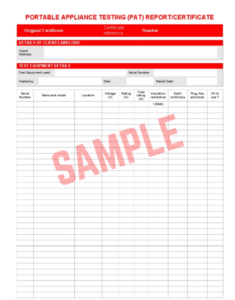
One of the most significant advantages of deploying a template is the consistency it brings across various testing projects and different personnel. Whether it’s a routine PAT test or a complex high-voltage system assessment, everyone follows the same rigorous safety protocols. This not only builds a stronger safety culture within your team but also streamlines training for new employees, providing them with a tangible guide on how to approach electrical testing safely and responsibly from day one. It reduces the learning curve for risk identification and mitigation, making everyone more competent and confident.
Furthermore, leveraging an electrical testing risk assessment template dramatically enhances your compliance with legal and regulatory requirements. Safety bodies and auditors look for clear, documented evidence that you’ve identified risks and put measures in place to control them. A comprehensive template provides exactly that – a traceable record of due diligence. In the unfortunate event of an incident, having this documentation can be crucial in demonstrating that all reasonable precautions were taken, potentially mitigating legal liabilities and showcasing your commitment to workplace safety.
The benefits extend beyond mere compliance. Proactive risk management, facilitated by a robust template, leads to fewer accidents, which in turn reduces costly downtime, avoids potential fines, and lowers insurance premiums. It safeguards your most valuable assets – your people – and protects your reputation. Companies known for their strong safety records attract better talent and are trusted more by clients, creating a positive feedback loop that strengthens your business in multiple ways. It’s an investment in safety that pays dividends in every aspect of your operation.
Embracing a structured approach to electrical testing risk assessment is a clear commitment to operational excellence and, more importantly, to the well-being of every individual involved. It transforms what could be a daunting, ad-hoc task into a systematic, manageable, and ultimately more effective part of your safety management system.
The continuous review and adaptation of your template ensures that it remains a living document, evolving with new technologies, procedures, and emerging risks. This dynamic approach guarantees that your safety measures are always at the forefront, providing a safer working environment and fostering a culture where safety is not just a priority, but a deeply embedded value in every electrical testing endeavor.