Life moves fast, and when it comes to electrical work, safety simply isn’t something we can afford to rush or overlook. Whether you’re a seasoned electrician, a facilities manager, or even a diligent DIY enthusiast tackling a bigger project, understanding and mitigating potential hazards is absolutely crucial. Electrical incidents can range from minor shocks to severe injuries or even fatalities, not to mention significant property damage. That’s why having a robust system in place to identify and control these risks is not just good practice; it’s a legal and moral imperative.
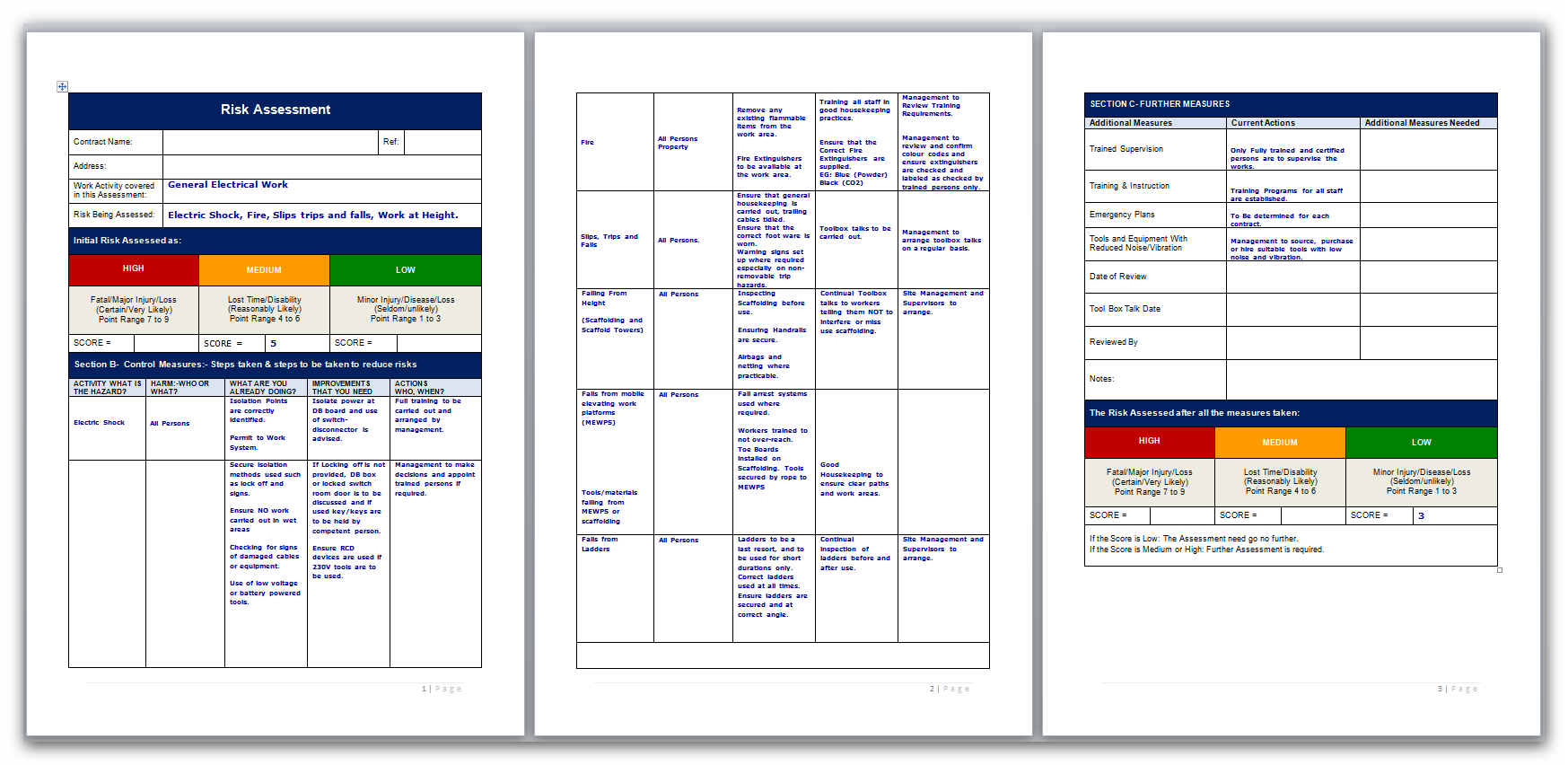
Imagine approaching any electrical task with a clear roadmap of potential dangers and a plan to tackle each one. That’s exactly what an effective electrical work risk assessment template provides. It’s not just a piece of paper; it’s a critical tool that helps you systematically evaluate the environment, the tasks involved, the equipment being used, and the people performing the work. By breaking down complex situations into manageable steps, you can proactively address hazards before they become incidents, ensuring a safer working environment for everyone involved.
Understanding the Importance of an Electrical Work Risk Assessment Template
A well-designed electrical work risk assessment template serves as your first line of defense against the unpredictable nature of electricity. It forces you to pause, think, and meticulously document every aspect of an electrical job, from its inception to completion. This systematic approach ensures that no stone is left unturned when it comes to identifying potential dangers. Without such a template, you might rely on memory or informal checks, which can easily miss crucial details, especially on complex or unfamiliar installations.
Think about the peace of mind that comes from knowing you’ve considered everything. This template isn’t just about compliance; it’s about fostering a culture of safety. It encourages everyone involved to be more aware, more vigilant, and more proactive in reporting and addressing hazards. When an electrical work risk assessment template is properly utilized, it transforms abstract safety guidelines into concrete, actionable steps, making safety an integral part of the project rather than an afterthought.
Key Elements to Include in Your Template
To be truly effective, an electrical work risk assessment template should cover a comprehensive range of information. It’s about painting a complete picture of the job, the environment, and the potential for harm. Here are some essential components you should always look to include:
- Job Details and Location: Clearly state what the work entails, where it’s happening, and when. This helps in tracking and assigning responsibility.
- Identified Hazards: This is the core. List all potential electrical hazards such as live parts, insufficient isolation, incorrect wiring, overloaded circuits, faulty equipment, inadequate PPE, or even environmental factors like wet conditions.
- Persons at Risk: Who could be harmed? This includes the workers performing the task, bystanders, visitors, or even other tradespeople working nearby.
- Existing Control Measures: What safety procedures or equipment are already in place? This might include lockouttagout procedures, insulated tools, safety barriers, or personal protective equipment (PPE).
- Risk Level Assessment: After considering existing controls, what is the residual risk? This often involves a matrix to assess likelihood versus severity (e.g., low, medium, high).
- Additional Control Measures Required: If the residual risk is still too high, what further actions are needed? This could be additional training, new equipment, changes to procedures, or increased supervision.
- Responsible Person and Completion Date: Assign who is responsible for implementing each control and by when.
- Review and Signoff: A section for regular review and signoff by competent persons to ensure the assessment remains valid throughout the project.
By systematically filling out these sections, you’re not just checking boxes; you’re building a robust safety strategy. This structured approach helps in identifying gaps in current safety protocols and ensuring that appropriate measures are put in place before work commences. It’s about being prepared, not just reactive.
Moreover, a detailed template acts as a vital record, providing evidence of due diligence should an incident occur. It also serves as an invaluable training tool for new staff, familiarizing them with the specific risks and safety expectations associated with electrical work within your organization or on a particular site. Consistency is key, and an electrical work risk assessment template ensures a consistent level of safety planning across all projects.
How to Effectively Use Your Electrical Work Risk Assessment Template
Simply having an electrical work risk assessment template is only half the battle; knowing how to use it effectively is where its true value lies. The process should be dynamic and iterative, not a onetime formality. Start by conducting the assessment before any work begins, ideally with input from the team members who will be performing the tasks. Their practical insights into the specific challenges of the job are invaluable and can highlight risks that might be overlooked in a purely theoretical review.
When you’re filling out the template, be specific and avoid vague statements. Instead of just writing “electrical hazard,” describe the specific hazard, such as “exposed live conductors on distribution board” or “unisolated supply to lighting circuit.” The more detailed you are in identifying the hazard, the more targeted and effective your control measures can be. Remember, the goal is to eliminate or reduce the risk to an acceptable level, following the hierarchy of controls: elimination, substitution, engineering controls, administrative controls, and finally, personal protective equipment (PPE).
One critical step often underestimated is communicating the findings of the assessment. It’s not enough for a supervisor or safety officer to complete the template and file it away. The entire team involved in the electrical work needs to understand the identified risks and the control measures in place. Holding a prejob briefing where the risk assessment is discussed openly encourages questions, clarifies responsibilities, and ensures everyone is on the same page regarding safety protocols. This collective understanding significantly reduces the likelihood of misunderstandings or shortcuts that could lead to an accident.
Furthermore, don’t treat the template as a static document. Electrical work environments can change rapidly. New equipment might be introduced, conditions might shift (e.g., weather changes for outdoor work), or the scope of the project might evolve. Therefore, it’s essential to periodically review and update your electrical work risk assessment template throughout the project lifecycle. A quick reassessment after a significant change or at key project milestones can prevent new or emerging risks from going unaddressed. Always ensure the template reflects the current reality of the job site.
- Collaborate: Involve the team in the assessment process to gain practical insights.
- Be Specific: Detail hazards clearly for targeted control measures.
- Communicate: Discuss the assessment with all involved personnel before work starts.
- Review and Update: Treat the template as a living document; update it as conditions or scope change.
Regular training on how to properly use and interpret the template is also crucial. This ensures that everyone involved, from project managers to apprentices, understands their role in the risk assessment process and is competent in identifying, reporting, and mitigating electrical hazards. A welltrained workforce is the backbone of any effective safety management system, and your template is a core tool in that training.
Implementing a comprehensive approach to safety in electrical work is nonnegotiable. It protects lives, prevents injuries, and safeguards property, all while ensuring projects run smoothly and efficiently. The proactive identification and management of risks through a structured process is not just about meeting regulatory requirements; it’s about fostering an environment where safety is paramount and everyone can return home safely at the end of the day.
By embracing detailed planning and consistent communication, organizations and individuals can significantly reduce the inherent dangers associated with electricity. Investing time in a thorough risk assessment upfront is always a worthwhile endeavor, paying dividends in peace of mind and, most importantly, in the wellbeing of every person on the job site. Make safety your priority, always.