Working with electricity, while essential to modern life and industry, inherently carries risks. From a simple wall socket to complex industrial machinery, the potential for electric shock, burns, fires, and even explosions is always present if proper precautions aren’t taken. Ensuring a safe environment isn’t just a matter of compliance; it’s about protecting lives, preventing injuries, and maintaining operational continuity. A proactive approach to identifying and mitigating these hazards is paramount for any business or individual handling electrical systems.
This is where a structured method like an electrical safety risk assessment comes into play. It provides a systematic way to evaluate potential dangers, understand their severity, and implement effective control measures. While the process might seem daunting, especially with varying regulations and diverse electrical setups, utilizing a well-designed electrical safety risk assessment template can significantly streamline this critical task, making it accessible and manageable for everyone involved.
Understanding the Core Components of an Electrical Safety Risk Assessment
At its heart, an electrical safety risk assessment is a careful examination of what, in your workplace or home, could cause harm to people from electricity. It’s about weighing up whether you have taken enough precautions or if you need to do more to prevent harm. This isn’t just a suggestion; for many organizations, it’s a legal requirement to ensure the health and safety of employees, visitors, and contractors. By systematically identifying hazards and assessing risks, you can make informed decisions to create a safer environment, protecting both people and property.
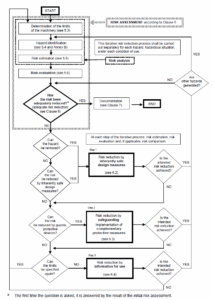
The process typically involves several key stages: first, identifying all potential electrical hazards; second, determining who might be harmed and how; third, evaluating the risks, which means considering the likelihood of harm and its potential severity; fourth, recording your findings; and finally, reviewing and updating the assessment regularly. It’s a cyclical process designed for continuous improvement in safety standards. Ignoring this crucial step can lead to devastating consequences, including serious injuries, fatalities, costly downtime, and legal penalties.
Identifying Electrical Hazards
The first and arguably most critical step in any risk assessment is the thorough identification of hazards. In the context of electrical safety, this means looking for anything that has the potential to cause harm. These hazards can range from obvious issues to subtle, hidden dangers that might only become apparent under specific circumstances. A comprehensive approach ensures that no stone is left unturned, providing a solid foundation for the subsequent risk evaluation and control measures.
Common electrical hazards include:
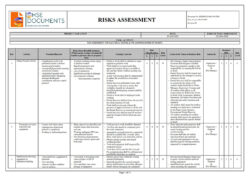
Once these hazards are identified, the next step involves assessing the likelihood of an incident occurring and the potential severity of the harm if it does. This often involves using a risk matrix, where likelihood and severity are scored, giving you a risk rating. This rating then guides the prioritization of control measures. A robust electrical safety risk assessment template will provide a structured format for documenting these findings, ensuring consistency and clarity across all assessments.
Implementing and Benefitting from an Electrical Safety Risk Assessment Template
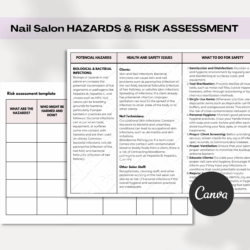
Utilizing a dedicated electrical safety risk assessment template offers significant advantages over creating a document from scratch each time. It provides a standardized framework, ensuring that all necessary aspects of an assessment are covered consistently across different locations, equipment, or projects. This not only saves time and effort but also helps to maintain a high level of detail and accuracy, reducing the chance of overlooking critical safety considerations. The template acts as a checklist, guiding the user through each step of the assessment process systematically.
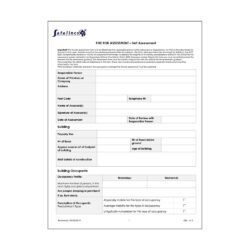
When implementing a template, the process typically begins with gathering basic information about the assessment itself, such as the date, the assessor’s name, and the specific location or equipment being evaluated. Following this, the template will prompt you to document the identified electrical hazards, as discussed previously. It then guides you through evaluating the risks associated with these hazards, considering who might be harmed and the potential consequences. This structured approach helps in making objective judgments about risk levels.
A typical electrical safety risk assessment template will include sections for:
Beyond simply meeting regulatory requirements, the consistent use of an electrical safety risk assessment template fosters a stronger safety culture within an organization. It encourages regular safety discussions, prompts proactive hazard identification, and leads to the implementation of more effective control measures. This ultimately results in fewer accidents, reduced downtime, lower insurance costs, and improved employee morale, knowing they work in a secure environment. It’s an investment in the well-being of your workforce and the operational integrity of your business, ensuring that electrical dangers are managed effectively and continuously.
Ensuring a safe working environment for anyone interacting with electricity is a non-negotiable priority. Proactive identification and mitigation of electrical hazards are fundamental to preventing accidents, injuries, and costly operational disruptions. By adopting a systematic approach to risk management, organizations can significantly enhance their safety protocols and foster a culture of vigilance.
Leveraging a well-structured framework, such as a comprehensive template, transforms the complex task of risk assessment into an organized and manageable process. It provides the necessary guidance to meticulously evaluate potential dangers, implement effective control measures, and regularly review safety practices. This commitment to thorough and consistent electrical safety management ultimately safeguards lives, preserves assets, and contributes to a more productive and secure operational landscape.