Navigating the world of product safety and regulatory compliance can feel like a maze, especially when your electrical equipment is destined for the European market. The Low Voltage Directive, or LVD as it’s commonly known, is a cornerstone of this regulatory landscape, ensuring that electrical products are safe for consumers and industrial users alike. It’s not just about meeting a set of rules; it’s about guaranteeing that what you put out there won’t cause harm, and a crucial part of that guarantee lies in a thorough risk assessment.

Many manufacturers find themselves grappling with how to systematically identify and mitigate potential hazards. This isn’t just a tick-box exercise; it’s a vital process that protects users, prevents costly recalls, and builds trust in your brand. That’s where a well-structured approach comes in handy. Imagine having a clear, step-by-step guide to help you identify risks, evaluate their severity, and implement effective control measures. This article aims to demystify the process and highlight how a robust low voltage directive risk assessment template can transform your compliance efforts.
Understanding the Low Voltage Directive (LVD)
The Low Voltage Directive, specifically Directive 2014/35/EU, is one of the oldest CE marking directives and remains incredibly important today. Its primary goal is to ensure that electrical equipment within certain voltage ranges offers a high level of protection for health and safety. It applies to electrical equipment designed for use with a voltage rating between 50 and 1000 V for alternating current and between 75 and 1500 V for direct current. This doesn’t mean it only covers high-voltage industrial machinery; it encompasses a vast array of consumer products too, from household appliances to lighting equipment.
It’s crucial to understand that the LVD isn’t just about the voltage itself; it’s about the safety aspects associated with it. This includes electrical hazards like shock, burns, and fire, but also non-electrical hazards that might arise from the use of electrical equipment, such as mechanical risks, thermal risks, and even aspects related to radiation. The directive places the responsibility squarely on manufacturers to ensure their products comply with the essential health and safety requirements (EHSRs) before they are placed on the EU market.
Compliance with the LVD necessitates more than just good design; it requires comprehensive technical documentation, a declaration of conformity, and the application of the CE mark. At the heart of this compliance journey, and indeed all product safety directives, is the risk assessment. It’s the analytical process where you methodically identify potential hazards, estimate the risk associated with those hazards, and then evaluate whether those risks are acceptable or if further action is needed to reduce them to an acceptable level.
Without a detailed and documented risk assessment, you simply can’t prove your product is safe or that you’ve met the LVD’s requirements. It’s the foundation upon which your CE marking rests, demonstrating due diligence and a commitment to user safety.
Key Elements of LVD Compliance
- Ensuring electrical safety of products from conception to market.
- Applying essential health and safety requirements throughout the product lifecycle.
- Creating comprehensive technical documentation that proves conformity.
- Affixing the CE mark, indicating compliance with all relevant directives.
- Conducting a thorough and documented risk assessment to identify and mitigate hazards.
Building Your Low Voltage Directive Risk Assessment Template
When it comes to performing a risk assessment for the Low Voltage Directive, having a systematic and repeatable process is invaluable. This is precisely where a well-designed low voltage directive risk assessment template comes into its own. It provides a structured framework, ensuring that no stone is left unturned and that your assessment is comprehensive, consistent, and easy to review. Instead of starting from scratch every time, a template guides you through the necessary steps, prompts you to consider all relevant aspects, and ultimately saves time and effort.
A good template begins with clearly defining the scope of the product being assessed. This means identifying the product itself, its intended use, foreseeable misuse, and its operating environment. Without a clear understanding of these parameters, it’s impossible to accurately identify all potential hazards. You’ll then move into the hazard identification phase, which involves brainstorming all possible sources of harm related to your electrical product. Think about electrical shock, short circuits, overheating, mechanical failures, and even software errors that could lead to dangerous situations.
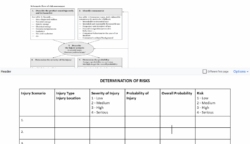
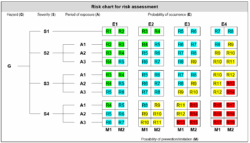
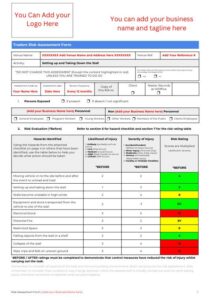
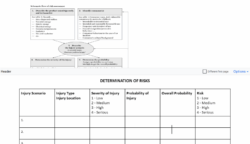
Once hazards are identified, the next critical step is risk estimation. This typically involves assessing the likelihood of a hazardous event occurring and the severity of the harm if it does. Combining these factors gives you an initial risk level. For example, a high likelihood of severe injury demands immediate attention, whereas a low likelihood of minor injury might be deemed acceptable with certain precautions. The template should provide clear scales or matrices for these estimations, ensuring objectivity and consistency across different assessments.
Finally, your template must guide you through the risk evaluation and reduction phase. Here, you decide whether the estimated risks are acceptable based on current safety standards and legal requirements. If not, you must implement risk reduction measures. These measures follow a hierarchy: inherent safe design (eliminating the hazard), safeguarding (using protective devices), and information for use (warnings and instructions). Documenting these measures, the residual risk after implementation, and who is responsible for each action is crucial for a complete and compliant assessment.
Essential Sections for Your Template
- Product Identification and Scope: Detailed description, intended use, and operational environment.
- Hazard Identification: A systematic list of all potential electrical and non-electrical hazards.
- Risk Estimation: Evaluation of the likelihood and severity for each identified hazard.
- Risk Evaluation: Decision on whether the risk is acceptable or requires reduction.
- Risk Reduction Measures: Documentation of design changes, protective devices, and warnings implemented.
- Residual Risk Assessment: Re-evaluation of risk after reduction measures are applied.
- Verification and Validation: How the effectiveness of risk reduction measures will be confirmed.
- Responsible Parties and Review Dates: Assigning accountability and ensuring periodic review.
Implementing a robust risk assessment process, supported by a clear and comprehensive template, is more than just a regulatory hurdle; it’s an investment in product quality and user safety. It empowers you to proactively address potential issues, enhance the reliability of your electrical equipment, and ultimately build a stronger reputation in the market. By systematically evaluating and mitigating risks, you demonstrate a commitment to excellence that resonates with both consumers and regulatory bodies.
Embracing this structured approach not only helps you achieve CE marking compliance for the Low Voltage Directive but also fosters a culture of safety within your organization. It ensures that safety considerations are integrated into every stage of product development, leading to safer, more reliable products that can confidently enter the European market and beyond. Taking the time to develop or adopt an effective risk assessment strategy is a step towards long-term success and peace of mind.