The aroma of freshly brewed coffee, the friendly chatter, the comforting warmth of a welcoming space – for many, opening a coffee shop is a dream come true. It’s a place where communities gather, ideas spark, and daily routines are elevated. But beneath the inviting facade and the pursuit of the perfect latte, every business, including your beloved coffee spot, faces a unique set of challenges and potential pitfalls.

Navigating these challenges proactively is key to turning that dream into a sustainable reality. This is where foresight and planning come into play. Understanding the risks inherent in operating a coffee shop, from the mundane to the catastrophic, allows you to put measures in place to prevent them or minimize their impact. Think of a well-crafted coffee shop risk assessment template as your business’s shield, helping you identify potential hazards before they become full-blown problems.
Identifying Potential Pitfalls in Your Coffee Haven
Before you can tackle any problem, you first need to know what you’re up against. Identifying the potential pitfalls in your coffee shop is a crucial first step, providing a clear map of vulnerabilities. It’s not just about avoiding disaster; it’s about ensuring smooth operations, protecting your staff and customers, and safeguarding your financial stability and reputation. From the moment you open your doors, every aspect of your business carries a degree of risk, and recognizing these allows for strategic planning.
Risks in a coffee shop can generally be categorized into several key areas: operational, health and safety, financial, and reputational. Each category holds unique threats that, if unaddressed, can disrupt your service, harm your customers or employees, or even lead to significant losses. Let’s dive into some specific examples to illustrate the breadth of these potential challenges.
Operational Risks
Operational risks are those that affect the day-to-day running of your coffee shop, impacting your ability to deliver products and services consistently. These are often related to equipment, supplies, and staffing.
- Equipment malfunctions: Think of your espresso machine breaking down during the morning rush, or a grinder failing, halting your ability to serve.
- Supply chain disruptions: What happens if your preferred coffee bean supplier has an issue, or there’s a shortage of milk or takeaway cups?
- Staffing shortages or training gaps: An unexpected illness among staff or inadequately trained baristas can severely impact service quality and speed.
- Point-of-sale (POS) system failures: A glitch in your payment system can bring transactions to a standstill, frustrating customers and losing sales.
Health and Safety Hazards
Maintaining a safe and hygienic environment is paramount in any food and beverage establishment. Health and safety risks can lead to injury, illness, and significant legal repercussions.
- Slips, trips, and falls: Wet floors from spills, cluttered walkways, or uneven surfaces are common hazards in a busy coffee shop.
- Burns from hot liquids or equipment: Baristas and customers are at risk from hot coffee, tea, steam wands, or heated surfaces.
- Food cross-contamination or improper storage: Failure to follow strict food safety protocols can lead to foodborne illnesses, which can severely damage your brand.
- Allergic reactions: If ingredients are not clearly labeled or cross-contamination occurs, customers with allergies are at risk.
- Fire hazards: Electrical issues, overheating equipment, or improper storage of flammable materials can pose a significant fire risk.
Financial and Reputational Threats
Beyond the immediate operational and safety concerns, there are broader threats that can impact your coffee shop’s financial viability and public image. These can be particularly challenging to recover from without a solid plan.
- Economic downturns: A general slowdown in the economy can reduce customer spending on discretionary items like specialty coffee.
- Intense competition: The coffee market can be saturated. New shops, aggressive pricing, or innovative offerings from competitors can erode your customer base.
- Negative online reviews or social media incidents: A single bad experience, when amplified online, can quickly tarnish your reputation.
- Theft: This can range from petty shoplifting to employee theft of cash or inventory.
- Regulatory non-compliance: Failing to adhere to health codes, licensing requirements, or labor laws can result in fines, closures, or legal action.
Crafting Your Action Plan and Mitigation Strategies
Once you’ve systematically identified the various risks unique to your coffee shop, the next critical step is to evaluate them and develop robust action plans. Simply knowing the risks isn’t enough; you need to understand their potential impact and likelihood, then put proactive measures in place to either prevent them from occurring or minimize their damage if they do. This foresight transforms potential problems into manageable challenges, allowing you to focus on brewing great coffee and serving your community.
A useful approach involves assessing each identified risk based on its likelihood (how probable it is to occur) and its impact (how severe the consequences would be). This helps you prioritize where to focus your resources and attention. High-likelihood, high-impact risks demand immediate and comprehensive mitigation strategies, while lower-level risks might require simpler, yet still effective, precautions.
Developing specific mitigation strategies involves thinking through practical steps to address each identified threat. It’s about building resilience into your operations and preparing for various scenarios.
- **Regular equipment maintenance schedule:** Implement a preventative maintenance plan for all critical equipment, from espresso machines to refrigerators. This reduces breakdowns and extends the lifespan of your investments.
- **Diversified supplier network:** Establish relationships with multiple suppliers for key ingredients and consumables. If one supplier faces issues, you have alternatives to prevent shortages.
- **Comprehensive staff training and clear Standard Operating Procedures (SOPs):** Invest in thorough training for all employees on everything from coffee preparation to customer service and safety protocols. Clear SOPs reduce human error and ensure consistency.
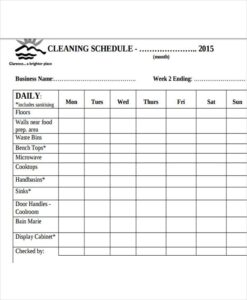
- **Robust cleaning protocols and food safety management:** Implement a strict cleaning schedule and ensure all staff are certified in food hygiene practices to prevent cross-contamination and foodborne illnesses.
- **Emergency preparedness plan:** Develop and regularly review plans for various emergencies, including fires, power outages, medical incidents, and security breaches. Everyone should know their role.
- **Strong financial planning and cash reserves:** Maintain adequate cash reserves to weather unexpected financial downturns or operational disruptions without jeopardizing your business.
- **Active online reputation management:** Monitor online reviews and social media mentions. Respond promptly and professionally to feedback, both positive and negative, to build trust and mitigate potential reputational damage.
Remember, a coffee shop risk assessment template isn’t a static document you complete once and file away. It’s a living guide that should be reviewed and updated regularly, perhaps quarterly or annually, and whenever significant changes occur in your business, such as new equipment, menu items, or staffing changes. The world, and your coffee shop, are constantly evolving, and your risk management strategy should evolve with them to remain effective.
By dedicating time to understanding and preparing for the challenges that lie ahead, you’re not just building a coffee shop; you’re building a resilient and secure business. This proactive approach grants you the peace of mind to truly enjoy the journey of entrepreneurship, knowing that you’ve laid a strong foundation against unforeseen events. It allows you to focus on creating that perfect cup, fostering community, and growing your unique brand without the constant worry of potential disruptions.