Embarking on the journey of cleaning validation can often feel like navigating a complex maze, especially within highly regulated industries. Ensuring that your manufacturing equipment is consistently clean and free from residues is not just good practice; it’s a critical component of product quality and patient safety. This is where a robust risk assessment steps in, acting as your compass to identify potential hazards and determine the necessary cleaning procedures to mitigate them effectively. It’s about being proactive rather than reactive, systematically evaluating what could go wrong and putting controls in place before it does.

The beauty of a structured approach lies in its ability to bring clarity and consistency to an otherwise intricate process. Imagine trying to perform cleaning validation for multiple products and various pieces of equipment without a guiding framework. It would be inefficient, prone to oversights, and difficult to defend during an audit. This is precisely why developing and utilizing a comprehensive cleaning validation risk assessment template is so invaluable. It provides a standardized method for evaluating risks, documenting decisions, and ultimately, building a defensible cleaning validation strategy that stands up to scrutiny, ensuring your operations remain compliant and your products safe.
Understanding the Core Components of a Cleaning Validation Risk Assessment Template
A well-crafted risk assessment for cleaning validation is more than just a checklist; it’s a living document that captures the rationale behind your cleaning strategies. At its heart, it helps you systematically identify, analyze, and evaluate potential risks associated with product carryover from one batch to the next or cross-contamination that could impact product quality. This proactive approach ensures that the most critical areas and potential failure points are thoroughly addressed, allowing resources to be allocated efficiently to where they are most needed. It’s about making informed decisions based on a clear understanding of the risks involved.
The foundation of any effective template involves breaking down the complex process into manageable, assessable elements. You need to consider everything from the products being manufactured, their physical properties, and toxicity, to the design of the equipment and the cleaning agents being used. Each of these factors contributes to the overall risk profile and must be evaluated thoughtfully. A standardized template helps ensure that no critical aspect is overlooked, providing a consistent framework across all products and equipment lines, which is crucial for maintaining compliance and operational excellence.
Key Steps in Populating Your Cleaning Validation Risk Assessment Template
To truly leverage the power of a risk assessment template, you need to understand how to effectively populate it with relevant data and analyses. This process begins with a thorough understanding of your manufacturing operations and the specific challenges each presents. It’s about systematically dissecting your process to identify every potential point of failure or contamination.
Here are some fundamental steps that are typically integrated into a comprehensive template:
- Identify Product Residues and Contaminants: Detail the nature of all products, including active pharmaceutical ingredients, excipients, and cleaning agents. Consider their solubility, toxicity, and visual detection limits.
- Define Equipment Trains and Surfaces: List all equipment involved, breaking it down into individual components and the materials of construction. Identify difficult-to-clean areas.
- Assess Toxicity and Permitted Daily Exposure (PDE): Determine the health-based exposure limits for each residue. This is a crucial step for setting scientifically justifiable cleaning limits.
- Determine Cleaning Process Effectiveness: Evaluate the current or proposed cleaning methods against the types of residues. Consider factors like temperature, duration, chemical concentration, and mechanical action.
- Evaluate Worst-Case Scenarios: Identify the product-equipment combinations that present the highest risk. This could be due to residue solubility, potency, difficulty of cleaning, or previous cleaning failures.
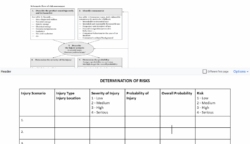
By meticulously working through these steps, your cleaning validation risk assessment template becomes a powerful tool. It transforms abstract risks into quantifiable challenges, allowing you to assign a risk score based on the likelihood of an event occurring and the severity of its impact. This structured evaluation then guides the development of robust cleaning procedures and validation protocols, ensuring that your cleaning processes are not only effective but also scientifically sound and regulatory compliant.
Implementing and Maintaining Your Cleaning Validation Risk Assessment Template
Bringing a cleaning validation risk assessment template into your daily operations requires more than just filling out a form; it’s about integrating a philosophy of continuous risk management. Once the initial assessment is complete and your cleaning strategies are defined, the template continues to serve as a foundational document for your entire cleaning validation program. It provides the documented evidence that your approach to cleaning validation is based on sound scientific principles and a thorough understanding of potential risks, a point auditors frequently scrutinize. Successful implementation means that the template doesn’t just sit on a shelf; it actively informs decisions, from routine cleaning procedure updates to major equipment changes.
Moreover, the initial risk assessment is rarely the final word. Manufacturing processes evolve, new products are introduced, equipment configurations change, and even regulatory expectations can shift over time. This dynamic environment necessitates that your template be a living document, subject to periodic review and updates. This ensures that your cleaning validation strategy remains relevant, effective, and compliant. Neglecting to revisit and revise your risk assessments could lead to an outdated strategy, potentially exposing your products to unforeseen risks or leading to non-compliance during inspections.
Maintaining the integrity and usefulness of your template involves a few key practices:
- Regular Review and Updates: Schedule periodic reviews, perhaps annually or whenever significant changes occur in products, equipment, or processes.
- Training for Personnel: Ensure that all personnel involved in cleaning, production, and quality assurance are adequately trained on how to use and interpret the risk assessment findings.
- Integration with Quality Management Systems: Embed the template and its outputs directly into your broader quality management system, making it an integral part of your change control and deviation management processes.
By consistently implementing and maintaining your cleaning validation risk assessment template, you foster an environment of proactive quality management. It empowers your team to make informed decisions, mitigate risks before they escalate, and continuously improve your cleaning processes. This commitment to ongoing assessment and adaptation reinforces the reliability of your manufacturing operations and, most importantly, protects the quality and safety of the products reaching consumers.
Ultimately, integrating a well-developed and consistently applied cleaning validation risk assessment template into your quality system is a cornerstone of good manufacturing practices. It provides a clear, defensible roadmap for ensuring equipment cleanliness, safeguarding product integrity, and maintaining regulatory compliance. This systematic approach not only reduces the likelihood of costly errors and recalls but also instills confidence in your manufacturing processes, allowing you to focus on delivering high-quality products to the market with peace of mind.