Embarking on a surgical journey, whether as a patient or a healthcare provider, involves a meticulous series of steps to ensure safety and optimal outcomes. One of the most critical stages in this process is the pre-operative assessment, a comprehensive evaluation designed to identify any potential risks or complications related to anesthesia and surgery. It’s a vital conversation and examination that lays the groundwork for a smooth procedure and a safe recovery.
This initial assessment is not just a formality; it’s a cornerstone of patient-centered care. It allows the anesthesia team to gain a deep understanding of the patient’s overall health, medical history, and specific needs, tailoring an anesthetic plan that is as safe and effective as possible. A well-structured approach to this assessment not only enhances patient safety but also improves efficiency for medical professionals, making sure no crucial details are overlooked.
Why a Standardized Anesthesia Pre-Op Assessment Template is Crucial
In the fast-paced environment of modern healthcare, consistency and thoroughness are paramount, especially when it comes to patient safety. A standardized anesthesia pre-op assessment template serves as an invaluable tool, ensuring that every patient receives the same high level of scrutiny and care before their procedure. It acts as a roadmap, guiding clinicians through the necessary questions and examinations to uncover any pre-existing conditions or risk factors that could influence the choice of anesthesia or the surgical outcome. This systematic approach significantly reduces the chances of critical information being missed, which could otherwise lead to unexpected complications during or after surgery.
Beyond safety, a well-designed template brings a level of efficiency that benefits both the patient and the healthcare system. Imagine a busy pre-operative clinic; without a clear, consistent format, each assessment might unfold differently, potentially wasting valuable time or overlooking important details. A template streamlines the process, ensuring that relevant data is collected methodically, facilitating quick yet comprehensive evaluations. This consistency also aids in training new staff, providing a clear framework for conducting assessments, and maintaining a uniform standard of care across the department. It helps to consolidate information, making it easily accessible for all members of the care team involved in the patient’s journey, from the surgeon to the recovery room nurses.
The core purpose of such a template is to mitigate risk by fostering a proactive rather than reactive approach to patient care. By identifying potential issues like cardiac conditions, respiratory problems, or medication interactions well in advance, the anesthesia team can develop tailored strategies to manage these risks. This might involve additional diagnostic tests, consultations with specialists, or adjustments to the anesthetic plan itself, all aimed at safeguarding the patient’s well-being. Ultimately, a robust anesthesia pre op assessment template is not just a form; it’s a commitment to excellence in patient safety and care.
Key Components of an Effective Template
- Patient Demographics: Essential for identification and record-keeping.
- Medical History: Comprehensive review of past illnesses, surgeries, and hospitalizations.
- Current Medications & Allergies: Crucial for avoiding adverse drug interactions and reactions.
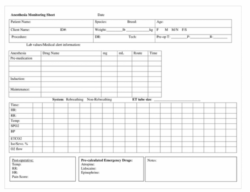
- Physical Examination Findings: Focus on cardiovascular, respiratory, and neurological systems, as well as airway assessment.
- Airway Assessment: Detailed evaluation of factors that may complicate intubation or ventilation.
- Review of Systems: Quick scan for any unaddressed health concerns.
- Lab Results & Diagnostic Tests: Ensures all necessary pre-operative tests are completed and reviewed.
- ASA Physical Status Classification: Standardized risk assessment for anesthetic procedures.
- Anesthesia Plan Discussion & Consent: Explaining the chosen anesthetic approach and obtaining informed consent.
- Patient Concerns & Questions: Addressing patient anxiety and providing reassurance.
Each of these components plays a vital role in painting a complete picture of the patient’s health status. For instance, a thorough airway assessment allows for the anticipation of difficult intubations, enabling the anesthesia provider to prepare alternative strategies and equipment beforehand. Similarly, a detailed medication review can flag medications that need to be held or adjusted prior to surgery, such as blood thinners or diabetes medications. This holistic approach ensures that every angle is covered, providing the safest possible experience for the patient.
Implementing and Customizing Your Anesthesia Pre-Op Assessment Template
Bringing a new anesthesia pre-op assessment template into practice involves more than just printing out forms; it’s about integrating it seamlessly into existing workflows and ensuring it genuinely serves the unique needs of your facility and patient population. The first step often involves deciding on the format: will it be a paper-based system, a digital form within an Electronic Medical Record (EMR), or a hybrid approach? Digital templates, for instance, offer significant advantages in terms of legibility, data accessibility, and the ability to integrate with other patient data, reducing transcription errors and improving overall efficiency. They can also be updated easily, ensuring that your assessment tools always reflect the latest best practices and guidelines.
Successful implementation hinges on clear communication and comprehensive training for all staff members who will be utilizing the template. This includes not just anesthesiologists and CRNAs, but also pre-operative nurses, medical assistants, and administrative staff who might be involved in data collection or scheduling. Training sessions should cover how to accurately complete each section, what specific questions to ask, how to interpret certain findings, and the importance of thorough documentation. Providing a clear understanding of “why” each section is important—linking it back to patient safety and outcomes—can significantly increase buy-in and compliance from the clinical team.
Furthermore, a truly effective template isn’t a one-size-fits-all solution; it requires a degree of customization to fit the specific needs of your institution or patient demographic. For example, a template used in a pediatric hospital might emphasize different aspects compared to one used in a facility specializing in geriatric care or bariatric surgery. Consider adding specific sections for specialized procedures, unique institutional policies, or regional health considerations. Regularly reviewing and updating the template is also crucial. As medical knowledge evolves and new guidelines emerge, your assessment tool should adapt accordingly to remain relevant and effective.
Feedback from the clinical team using the template daily is invaluable. They are on the front lines, and their insights can highlight areas for improvement, streamline questions, or suggest additions that make the template more practical and comprehensive. By fostering a collaborative environment, you ensure that the anesthesia pre-op assessment template remains a living document that continually evolves to enhance patient safety and operational efficiency within your practice.
Adopting a comprehensive and adaptable framework for pre-operative evaluations is a testament to an organization’s commitment to outstanding patient care. It’s an investment that pays dividends in reduced complications, improved patient satisfaction, and enhanced team confidence.
The journey towards a safer surgical experience begins long before the operating room doors open. By diligently assessing each patient with a robust and thoughtfully designed evaluation tool, healthcare providers establish a strong foundation for successful outcomes and a positive recovery.