Navigating the complexities of veterinary anesthesia requires meticulous attention to detail and unwavering vigilance. Every procedure, from a routine dental cleaning to a major surgical intervention, carries inherent risks that can be significantly mitigated through diligent monitoring and thorough documentation. This is precisely where a robust veterinary anesthesia record template becomes not just a helpful tool, but an indispensable component of patient safety protocols. It serves as a real-time log of vital signs, drug administrations, and critical events, creating a comprehensive narrative of the patient’s journey through anesthesia.
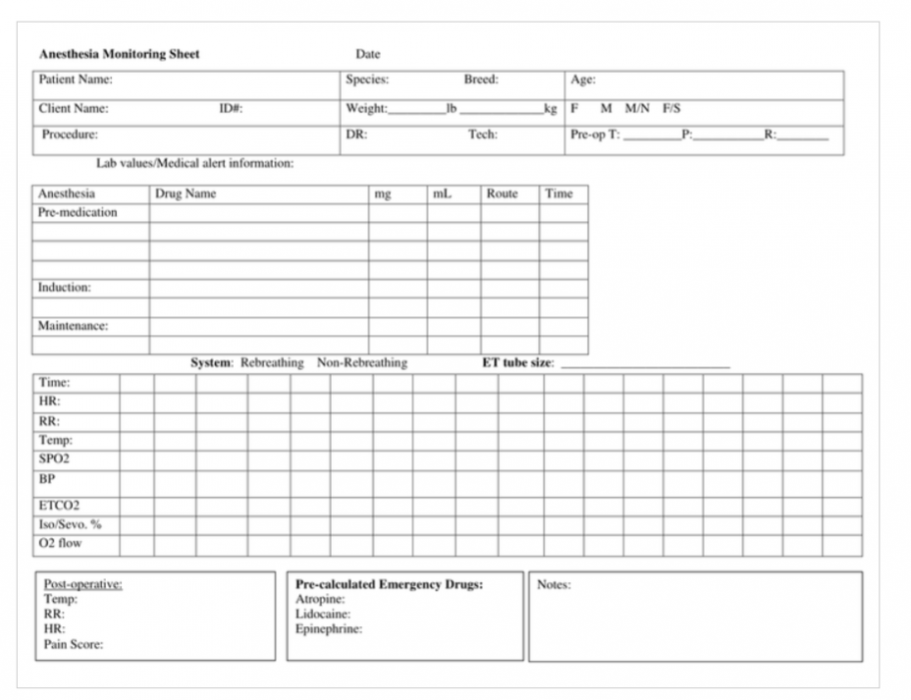
Imagine trying to recall every heart rate fluctuation, every blood pressure reading, or the exact moment a particular medication was administered, especially during a demanding procedure. It’s an impossible task that introduces unnecessary risk. A standardized template removes the guesswork, ensuring that all crucial information is captured consistently and accurately, regardless of who is performing the monitoring or the specific nature of the procedure.
Ultimately, a well-designed template empowers veterinary professionals to provide the highest standard of care. It transforms raw data into actionable insights, helping teams make informed decisions rapidly during the procedure and allowing for comprehensive post-operative analysis. By streamlining the documentation process, it frees up valuable time and mental energy, letting clinicians focus more intently on the patient themselves.
Crafting the Indispensable Anesthesia Record: Key Components for Patient Safety
When it comes to safeguarding our animal patients under anesthesia, the record isn’t just a formality; it’s a lifeline. A truly comprehensive anesthesia record acts as a moment-by-moment diary of the patient’s physiological state and every intervention made by the veterinary team. It needs to be thorough, intuitive, and readily understandable, even months after the procedure. Let’s delve into what makes such a template indispensable.
Patient Identification and Pre-Anesthetic Assessment
The very first step is to clearly identify the patient. This includes their name, species, breed, age, weight, and the unique identifier for your practice. Equally vital is documenting the pre-anesthetic physical exam findings, any pertinent laboratory results, and the patient’s American Society of Anesthesiologists (ASA) physical status classification. This upfront information sets the baseline and informs the entire anesthetic plan, highlighting any pre-existing conditions that might influence drug choices or monitoring intensity.
Anesthetic Plan and Drug Administration
This section details the chosen anesthetic protocol. It should outline the pre-medication drugs and dosages, the induction agents, and the maintenance drugs (inhalant or injectable). Space should be provided to record the time and amount of every drug administered throughout the procedure, including analgesics, local anesthetics, and emergency medications. This meticulous recording ensures accountability and provides a clear picture of pharmacological interventions.
Intraoperative Monitoring Data
This is the core of the record, demanding frequent and accurate entries. Parameters to be monitored and recorded typically include heart rate, respiratory rate, blood pressure (systolic, diastolic, mean), oxygen saturation (SpO2), end-tidal carbon dioxide (ETCO2), and core body temperature. The frequency of these recordings is crucial; often, entries are made every 5 to 10 minutes. This provides a dynamic view of the patient’s physiological response to anesthesia, allowing the team to detect trends and intervene promptly if complications arise.
Anesthetic Events and Interventions
No two anesthetic events are identical, and complications can occur unexpectedly. The record must have dedicated space to log any significant events, such as changes in anesthetic depth, fluid therapy administration (type, amount, rate), additional drug doses given, or any procedural incidents. This narrative provides context to the numerical data and helps reconstruct the sequence of events if a problem arises.
Fluid Therapy and Support
Many anesthetic procedures involve intravenous fluid therapy. The template should clearly track the type of fluids used, the total volume administered, and the infusion rate. This is critical for maintaining hydration, supporting blood pressure, and ensuring proper organ perfusion throughout the procedure.
Post-Anesthetic Recovery
The patient’s journey doesn’t end when the surgery is complete. The recovery phase is just as critical. The record should extend into recovery, documenting vital signs, pain assessment scores, and the patient’s return of reflexes and overall demeanor. This allows for continuous monitoring and ensures a smooth transition back to full consciousness, with appropriate pain management in place.
Beyond Data Entry: How a Good Template Elevates Practice Standards
A well-utilized veterinary anesthesia record template is more than just a place to scribble down numbers; it’s a powerful tool that significantly enhances the quality of care and operational efficiency within a veterinary practice. It fosters a culture of accountability and continuous improvement, impacting every aspect from patient safety to staff training.
Firstly, these templates dramatically improve communication among the veterinary team. During a shift change or if a different technician takes over monitoring, the comprehensive record provides an immediate, clear snapshot of the patient’s status and the anesthetic course thus far. There’s no need for lengthy verbal handovers that might miss crucial details, ensuring continuity of care and minimizing misunderstandings. This seamless information transfer is vital, especially in busy practices or during emergency situations.
Beyond immediate patient care, a standardized record serves as an invaluable educational resource. For new technicians or students, reviewing past anesthesia records provides concrete examples of various anesthetic protocols, patient responses, and complication management. It’s a practical learning tool that reinforces theoretical knowledge with real-world scenarios. Furthermore, these records are crucial for quality control and auditing. Regularly reviewing anesthetic outcomes in conjunction with their corresponding records can help identify patterns, evaluate the effectiveness of different protocols, and pinpoint areas where improvements can be made, ultimately enhancing overall patient safety and reducing morbidity.
The comprehensive nature of a detailed anesthesia record offers profound benefits to any veterinary practice committed to excellence. It acts as a cornerstone for optimal patient outcomes, providing a clear, defensible account of every anesthetic procedure. This dedication to thorough documentation not only protects the patient but also provides invaluable peace of mind for the entire veterinary team and the pet owners who entrust their beloved companions into their care. By integrating a meticulously designed template into daily practice, veterinary professionals affirm their commitment to the highest standards of safety, precision, and compassionate animal care.