Bringing young people into the workplace is a fantastic way to inject fresh ideas, enthusiasm, and a different perspective. Whether they are apprentices, interns, or new recruits just starting their careers, their energy can be truly invigorating. However, with their youthful zeal often comes a lack of experience, unfamiliarity with workplace hazards, and sometimes, a reluctance to ask questions, which can unfortunately put them at a higher risk of accidents or injuries compared to more seasoned employees.
This isn’t to say young workers are inherently careless, but rather that their developmental stage, both physically and psychologically, can make them more vulnerable. As employers, we have a clear responsibility to ensure their safety and well-being. A structured approach is essential, and that’s precisely where a comprehensive framework, like a young workers risk assessment template, becomes an invaluable tool to guide your efforts.
Understanding the Unique Vulnerabilities of Young Workers
It’s tempting to think that a general risk assessment covers everyone, but young workers often face distinct challenges that warrant specific consideration. They might not have developed a full understanding of cause and effect in a workplace context, or they may feel pressured to perform tasks they’re uncomfortable with to impress colleagues or supervisors. Their physical development might also mean they have less strength, stamina, or coordination for certain tasks, or they might be more susceptible to certain environmental factors.
Beyond the physical, there are psychological and social factors at play. A young person might be less aware of their rights, less confident in challenging unsafe practices, or simply less able to recognize a hazard because they haven’t encountered it before. They might also be more prone to taking risks or not fully grasping the long-term consequences of unsafe actions. This unique combination of factors means that a “one size fits all” approach to workplace safety often leaves gaps when it comes to protecting your youngest team members.
Key Areas to Consider in Your Assessment
When thinking about how to effectively safeguard young individuals, it’s helpful to break down potential risks into manageable categories. A robust assessment will delve into several key areas, ensuring you don’t miss any crucial aspects that could impact their safety. This granular approach helps in identifying specific hazards and tailoring appropriate controls.
These considerations are fundamental to creating a truly safe environment:
- Training and Supervision: Are they receiving adequate instruction and constant, appropriate supervision, especially when learning new tasks?
- Physical Environment: Is the workspace set up safely for their size and strength? Are dangerous areas clearly marked and restricted if necessary?
- Machinery and Equipment: Have they been properly trained and authorized to use specific tools or machinery? Are there age restrictions for certain equipment?
- Chemicals and Substances: Do they understand the risks associated with any chemicals they might encounter, and are they using appropriate personal protective equipment?
- Working Hours and Fatigue: Are their working hours compliant with regulations for young workers, and are they protected from excessive fatigue?
- Bullying and Harassment: Are there clear policies and reporting mechanisms in place to protect them from bullying or harassment from colleagues or clients?
By thoughtfully examining each of these points, you can begin to paint a clearer picture of the specific risks present and start formulating strategies to mitigate them effectively. It’s about being proactive, not reactive, when it comes to the safety of our future workforce.
Building Your Effective Young Workers Risk Assessment Process
Creating a safe environment for your younger employees doesn’t have to be an overwhelming task. It largely follows the same logical steps as any good risk assessment, but with that added layer of focus on the unique characteristics of young people. The key is to be systematic and thorough, ensuring every potential hazard is identified and addressed specifically from their perspective.
First, you need to identify the hazards. This means looking around your workplace and thinking about anything that could cause harm. What tasks will young workers be performing? What equipment will they use? What materials will they handle? Consider the environment itself: slippery floors, loud noises, confined spaces, or even extreme temperatures. Brainstorming these elements specifically through the lens of an inexperienced individual will reveal potential dangers that might be second nature to a veteran employee.
Next, you need to decide who might be harmed and how. For young workers, this might involve thinking about their tendency to be easily distracted, their lack of physical strength, or their inexperience in judging distances or weights. They might be more prone to eye strain if their workstation isn’t set up correctly, or more susceptible to repetitive strain injuries if tasks are not varied. Don’t just think about immediate physical injury, but also long-term health risks and psychological impacts.
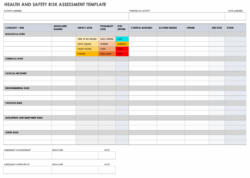
Now, evaluate the risks and decide on precautions. This is where you determine how likely it is that someone will be harmed and how serious that harm could be. Then, you put controls in place to eliminate or reduce those risks. This could mean redesigning a workstation, providing more intensive supervision, implementing stricter rules for machinery use, or simply offering more comprehensive training. This is precisely where a well-designed young workers risk assessment template becomes invaluable, guiding you through the process of documenting identified risks and proposed control measures.
Finally, you need to record your significant findings and review your assessment regularly. It’s not a one-time task; workplaces change, people change, and young workers gain experience. Your assessment should be a living document, reviewed whenever there are changes in tasks, equipment, or if an incident occurs. This ensures that your safety measures remain relevant and effective for all your employees, especially those new to the working world.
Ensuring the safety of young workers is not just a legal obligation; it’s a moral imperative and a smart business practice. By taking a proactive, detailed approach, you protect your most vulnerable employees, foster a culture of safety, and set them up for a positive, productive future in the workforce. A well-executed plan safeguards individuals and strengthens your entire organization.
Embracing a comprehensive strategy for young worker safety demonstrates a commitment to nurturing the next generation of talent responsibly. It builds trust, enhances your reputation, and ultimately contributes to a healthier, more vibrant workplace for everyone. Prioritizing their well-being today means a more resilient and skilled workforce tomorrow.