In the world of care and support, we often hear about “person-centred” approaches, and for good reason. It’s a philosophy that champions the individual, placing their needs, preferences, and aspirations at the very heart of their care plan. This perspective shifts the focus from what someone can’t do, to what they can, celebrating their strengths and ensuring their voice is heard in every decision that affects them. It’s about empowering people to live the life they choose, as safely and independently as possible.

However, living a full life naturally involves a certain degree of risk. That’s where risk assessment comes into play. But how do we balance the need for safety with the fundamental right to make choices and experience life’s opportunities? The answer lies in a person-centred risk assessment template, a powerful tool designed to navigate this delicate balance. It moves beyond simply identifying hazards to understanding how an individual perceives risk, what matters most to them, and how support can be tailored to enable, rather than restrict, their journey.
Understanding Person-Centred Risk Assessment
At its core, a person-centred risk assessment isn’t just another form to fill out; it’s a dynamic conversation and a thoughtful process. It starts by truly getting to know the individual – their history, their passions, their daily routines, and their hopes for the future. Instead of a deficit-based approach that highlights what might go wrong and how to prevent it completely, this method embraces a strengths-based perspective. It asks, “What are this person’s abilities? What resources do they have? How can we support them to achieve their goals while understanding and mitigating potential challenges?”
Traditional risk assessments often focus heavily on protection and avoidance, sometimes leading to overly restrictive practices that can inadvertently diminish a person’s quality of life. In contrast, person-centred risk assessment seeks to identify risks not as barriers, but as areas where innovative, tailored support can be provided. It acknowledges that everyone has a right to take reasonable risks, learn from experiences, and exert control over their own lives. The aim is to achieve safe outcomes through empowerment, rather than simply enforcing compliance.
This approach inherently respects the individual’s autonomy and dignity. It’s about collaboratively exploring potential risks, understanding the person’s own coping strategies, and working together to devise solutions that maintain their independence and choice. Imagine a situation where someone wants to pursue a hobby that carries an inherent risk. A person-centred approach wouldn’t immediately shut it down. Instead, it would ask: What are the benefits of this hobby to them? How do they feel about the risk? What measures can we put in place, with their input, to make it as safe as possible while still allowing them to engage fully?
Ultimately, this type of assessment fosters a culture of enablement. It means moving away from a ‘no risk’ mentality to a ‘positive risk-taking’ framework, where the benefits of a chosen activity or lifestyle outweigh the potential for harm, provided that risks are understood and managed collaboratively. This ensures that the individual remains at the helm of their own life decisions, supported by a system that values their aspirations as much as their safety.
Key Components of a Person-Centred Risk Assessment
A robust person-centred risk assessment template will guide you through a comprehensive process to capture all the essential details. It’s about painting a full picture of the individual and their world, allowing for a nuanced understanding of their specific situation. This includes moving beyond generic safety checklists to truly individualised considerations.
When filling out a person centred risk assessment template, you’ll typically be prompted to consider:
* The individual’s personal goals, aspirations, and preferred lifestyle choices.
* Their identified strengths, abilities, and existing coping mechanisms.
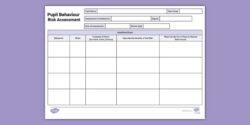
* A clear identification of potential risks, detailing what the risk is, how it might occur, its likelihood, and its potential impact.
* Proactive strategies and agreed-upon actions to mitigate risks while still supporting the individual’s choices and desired outcomes.
* The individual’s support network, including family, friends, and professional services, and how they contribute to safety and wellbeing.
* Clear dates for review and the responsibilities of everyone involved in implementing the agreed plan.
Practical Application: Using Your Person Centred Risk Assessment Template
Implementing a person-centred risk assessment template effectively is less about filling in boxes and more about facilitating a meaningful conversation. Think of the template not as a static document, but as a living record that reflects a continuous dialogue and evolving understanding of the individual. It’s a shared resource that helps everyone involved – the individual, their family, and their support team – to be on the same page regarding risks and how to manage them while promoting independence.
The most crucial aspect of this process is collaboration. The individual themselves must be the primary voice. Their perspective on risks, their comfort levels, and their desired outcomes are paramount. This often requires skilled communication, active listening, and a willingness to understand things from their point of view, even if it differs from conventional safety wisdom. It’s about empowering them to be active participants in their own safety planning, rather than passive recipients of a risk management strategy.
When using the template, shift the focus from what might go wrong to what can go right. While identifying risks is necessary, the bulk of the discussion should revolve around solutions, support, and opportunities. How can we adapt the environment? What skills can be developed? What assistive technologies might help? How can the support team work creatively to enable a chosen activity? The template serves as a guide to brainstorm and document these positive strategies, ensuring that the emphasis remains on enabling life, not just preventing harm.
Regular review and adaptation are also key. Life circumstances change, individuals grow and develop new skills, and risks can evolve. Therefore, the completed risk assessment isn’t a “one and done” exercise. It needs to be revisited, discussed, and updated regularly to ensure it remains relevant, accurate, and truly reflective of the individual’s current situation and aspirations. This ongoing dialogue ensures that the support provided continues to be truly person-centred and responsive.
Steps to Effectively Implement Your Template
To ensure your person-centred risk assessment template yields the best results, consider these practical steps:
* Engage in open and empathetic dialogue with the individual, ensuring they feel heard and respected throughout the process.
* Begin by documenting their strengths, aspirations, and what a ‘good life’ looks like for them, before moving to potential risks.
* Clearly identify specific risks, describing them objectively without judgment, focusing on the potential impact on the individual’s goals.
* Collaboratively brainstorm and record proactive, supportive mitigation strategies that balance safety with the individual’s right to choice and independence.
* Agree on clear responsibilities for implementing these strategies, assigning roles to the individual, family, and support team.
* Schedule regular review dates and ensure the document is updated whenever there are significant changes in the individual’s circumstances or preferences.
Adopting this thoughtful and collaborative approach to risk assessment empowers individuals to live rich, fulfilling lives, even with the presence of potential risks. It transforms the concept of safety from a restrictive barrier into a supportive framework, enabling greater independence and personal growth.
Ultimately, this comprehensive and empathetic process ensures that care and support are truly aligned with an individual’s unique needs and aspirations. It fosters environments where people can thrive, supported by robust, yet flexible, plans that prioritise their dignity, choice, and overall well-being.