Navigating the complexities of modern business means constantly seeking stability and reliability, especially within your supply chain. Relying on external suppliers is a fundamental part of operations for almost every company, but with that reliance comes inherent risks. One of the most critical, yet often overlooked, areas is the financial health of your suppliers. A financially unstable supplier can lead to catastrophic disruptions, from delayed deliveries and quality compromises to sudden cessation of operations, all of which can severely impact your own business and reputation.

Understanding and mitigating these risks proactively is not just good practice; it’s essential for long-term success. While the task might seem daunting, especially with a large number of suppliers, having a structured approach can make all the difference. This is where a robust and well-designed tool like a supplier financial risk assessment template becomes invaluable, transforming a complex challenge into a manageable, systematic process.
Why Your Business Needs a Robust Supplier Financial Risk Assessment Template
Ignoring the financial stability of your suppliers is akin to building a house on shaky ground. The potential repercussions are far-reaching and can include significant operational disruptions, unexpected cost increases, and even damage to your brand’s reputation. Imagine a key component supplier suddenly filing for bankruptcy; the scramble to find an alternative, the potential production delays, and the financial losses could be immense. Without a systematic way to gauge these risks, your business is constantly vulnerable to unforeseen financial pressures impacting your extended network.
A well-crafted template doesn’t just identify problems; it empowers you with foresight. It shifts your approach from reactive problem-solving to proactive risk management. By establishing clear criteria and a consistent methodology, you can objectively evaluate each supplier, ensuring that emotion or incomplete information doesn’t sway critical decisions. This consistency is paramount when dealing with a diverse range of suppliers, allowing for fair comparisons and informed strategic choices that strengthen your overall supply chain.
Key Benefits of Using a Template
- Standardized Evaluation: Ensures every supplier is assessed using the same metrics, providing a fair and objective comparison.
- Early Warning System: Helps identify red flags in a supplier’s financial health before they escalate into critical issues, allowing for intervention or contingency planning.
- Improved Negotiation Power: Understanding a supplier’s financial standing can inform your negotiation strategy, leading to more favorable terms or better risk-sharing agreements.
- Enhanced Supply Chain Resilience: By identifying and mitigating risks, you build a more robust and reliable supply chain that can withstand unexpected shocks.
Furthermore, adopting a comprehensive supplier financial risk assessment template supports due diligence efforts, which are increasingly important for compliance and ethical sourcing. It helps demonstrate to stakeholders and regulators that your organization is taking responsible steps to manage its supply chain. This formalized approach not only protects your financial interests but also fortifies the operational integrity of your entire business ecosystem.
In essence, implementing a dedicated supplier financial risk assessment template is a strategic investment in the longevity and stability of your enterprise. It’s about securing your future by ensuring the partners you rely on are as stable and dependable as your own operations aim to be. This proactive stance is a hallmark of resilient and forward-thinking organizations in today’s dynamic global marketplace.Components of an Effective Supplier Financial Risk Assessment Template
An effective supplier financial risk assessment template goes beyond just looking at a balance sheet. It integrates a variety of data points and analytical tools to provide a holistic view of a supplier’s financial health and stability. At its core, it will certainly incorporate quantitative data, such as a supplier’s financial statements including income statements, balance sheets, and cash flow statements, typically for the last three to five years. This allows for trend analysis and an understanding of their historical performance, which is a key indicator of future viability.
Beyond the raw numbers, a robust template also delves into qualitative factors. These might not be immediately apparent from financial reports but are crucial for a comprehensive understanding. For instance, the general economic conditions of the region where the supplier operates, the stability of their management team, their reliance on a few key customers, or their succession planning can all significantly impact their long-term financial health. Capturing these insights often requires direct engagement, interviews, or review of public information.
To provide a structured evaluation, an effective template often includes sections for various metrics and data points:
- Financial Ratios: Analysis of liquidity (current ratio, quick ratio), solvency (debt-to-equity, debt-to-asset), and profitability (gross margin, net profit margin, return on assets).
- Cash Flow Analysis: Examination of operational, investing, and financing cash flows to understand the company’s ability to generate cash and manage its obligations.
- Debt Levels and Obligations: Assessment of total debt, repayment schedules, and any significant off-balance-sheet liabilities.
- Credit Ratings: Information from independent credit rating agencies, if available, provides an external, expert opinion on financial health.
- Litigation and Regulatory History: Any past or pending legal issues or regulatory fines can signal underlying financial or operational instability.
- Business Continuity Plans: An understanding of how the supplier plans to cope with unexpected disruptions, including financial ones.
- Management Stability and Experience: The track record and experience of the leadership team can be a strong indicator of sound financial management.
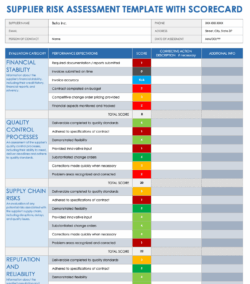
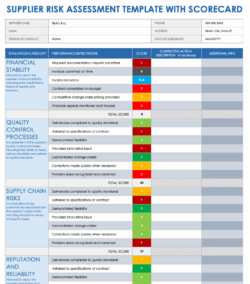
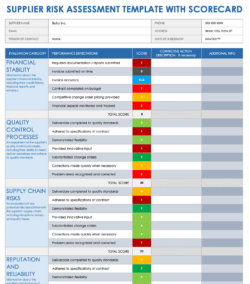
The template should also allow for a scoring or weighting mechanism to aggregate all these disparate data points into an overall risk score or rating. This standardized score facilitates easy comparison between different suppliers and helps in prioritizing which suppliers might require closer monitoring or alternative sourcing strategies. Regular re-assessment is also a critical part of the process, ensuring that the initial assessment remains relevant as conditions change over time.
Developing a template that covers these diverse aspects ensures that your assessment isn’t just a snapshot, but a dynamic and comprehensive picture of a supplier’s financial strength. This layered approach is vital for making truly informed decisions that safeguard your supply chain and, by extension, your entire business operation. It’s about building a partnership based on transparency and mutual reliability.
Implementing a structured approach to evaluating supplier financial health is no longer a luxury but a fundamental necessity for any business aiming for sustained growth and stability. By meticulously examining the financial landscape of your partners, you effectively build a protective shield around your own operations, minimizing exposure to unexpected vulnerabilities. This proactive vigilance transforms potential weaknesses into strengths, allowing your business to navigate economic uncertainties with greater confidence.
Ultimately, a deep understanding of your supplier’s financial standing empowers you to forge more secure, resilient, and enduring supply chain relationships. It’s about cultivating a network of reliable partners that can withstand challenges, ensuring uninterrupted operations and fostering a foundation of trust that benefits everyone involved. Embracing this level of diligence is a clear indicator of a forward-thinking organization committed to safeguarding its future.