When someone is struggling with substance abuse, the path to recovery is rarely straightforward. It’s a complex journey influenced by a myriad of factors, touching upon every aspect of an individual’s life. Understanding these intricate layers is paramount to providing effective and compassionate care. We can’t simply address the symptoms; we must delve deeper into the root causes and contributing elements.
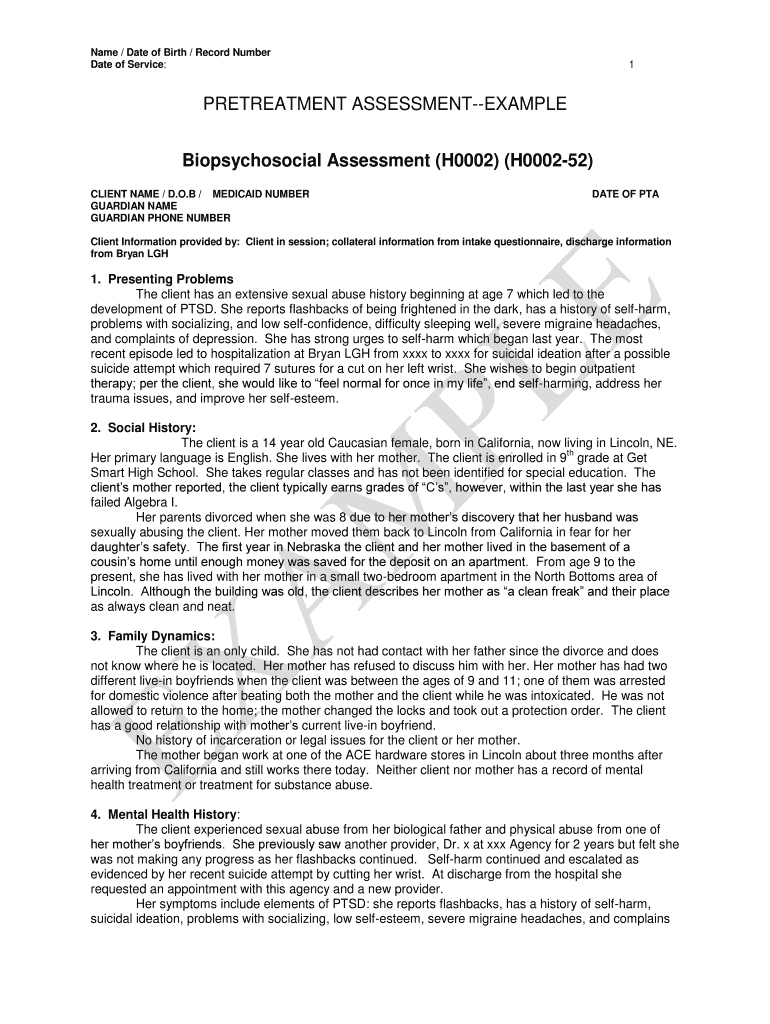
This is where a comprehensive approach becomes invaluable. The biopsychosocial model offers a holistic framework, recognizing that biological, psychological, and social factors all play a significant role in the development and maintenance of substance use disorders. To systematically gather this crucial information, a well-structured substance abuse biopsychosocial assessment template serves as an indispensable tool for clinicians, counselors, and support staff alike, guiding them through a thorough exploration of an individual’s unique situation.
Understanding the Biopsychosocial Model in Substance Abuse
The biopsychosocial model isn’t just a fancy term; it’s a fundamental shift in how we view health and illness, especially in the context of substance abuse. Instead of isolating the problem, it encourages us to see the person as a whole, understanding that their struggles are often a confluence of various interacting elements. This perspective helps us move beyond a purely medical or psychological diagnosis to a more integrated and empathetic understanding.
On the “bio” side, we consider everything from genetics and family history of addiction to brain chemistry and the physical health impacts of substance use. Has there been a history of chronic pain? Are there co-occurring medical conditions? How does the chosen substance affect their body’s systems? These biological factors can predispose individuals to addiction or complicate their recovery journey, making it vital to explore them thoroughly.
Then there’s the “psycho” component, which delves into an individual’s mental and emotional landscape. This includes their mental health history, such as depression, anxiety, PTSD, or other psychiatric disorders that often co-occur with substance abuse. We also look at their coping mechanisms, personality traits, past trauma, cognitive abilities, and self-esteem. Psychological distress can often be both a cause and a consequence of substance use, creating a complex cycle that needs careful unraveling.
Finally, the “social” aspect broadens our view to the external environment. This encompasses family dynamics, peer influences, community support (or lack thereof), cultural background, socioeconomic status, employment, housing stability, and legal issues. A person’s social context can either be a strong protective factor or a significant risk factor for substance abuse. Understanding their living situation, relationships, and support networks is crucial for building a sustainable recovery plan.
By exploring these three interconnected domains, a biopsychosocial assessment allows clinicians to paint a complete picture, identifying not just the problem behaviors but also the underlying vulnerabilities, strengths, and resources an individual possesses. This comprehensive view is the bedrock upon which truly individualized and effective treatment strategies are built, moving beyond a one-size-fits-all approach to something that truly resonates with the person in front of you.
Key Domains Explored
- Biological: Detailed medical history, substance use history (type, frequency, duration, withdrawal symptoms), genetic predispositions, current physical health status.
- Psychological: Mental health diagnoses, history of trauma, current emotional state, coping skills, cognitive function, motivation for change, personality characteristics.
- Social: Family relationships and history, peer group influences, employment status, housing stability, legal history, cultural and spiritual beliefs, community involvement, social support systems.
Crafting and Utilizing an Effective Assessment Template
The beauty of a structured substance abuse biopsychosocial assessment template lies in its ability to ensure consistency and thoroughness. Without a guiding framework, it’s easy for important details to be overlooked, potentially leading to an incomplete understanding of an individual’s needs. A good template acts as a roadmap, ensuring that all critical areas are explored, from the immediate concerns related to substance use to the deeper layers of personal history and social context.
An effective template isn’t just a checklist; it’s a tool designed to facilitate a meaningful conversation. It should be comprehensive enough to cover all relevant biopsychosocial domains, yet flexible enough to allow for individualized exploration. Simplicity in language, clear sections, and prompts that encourage open-ended responses are key. The goal is to gather detailed information while also building rapport and making the individual feel heard and understood, rather than interrogated.
Utilizing the template effectively involves more than just filling in blanks. It begins with the initial interview, where the clinician uses the template to guide their questions, allowing for a natural flow of conversation while ensuring all necessary information is collected. It’s important to remember that the template is a guide, not a rigid script. Clinicians should be prepared to delve deeper into areas that emerge as particularly salient for the individual, asking follow-up questions to gain a richer understanding.
Once the information is gathered, the real work begins: synthesizing it into a coherent narrative that informs the treatment plan. The assessment data helps identify immediate risks, such as severe withdrawal symptoms or suicidal ideation, and guides the level of care required. It also uncovers an individual’s strengths, resources, and personal goals, which are vital for building a recovery plan that is empowering and sustainable. Regular review of the assessment throughout treatment ensures that the plan remains responsive to the individual’s evolving needs and circumstances.
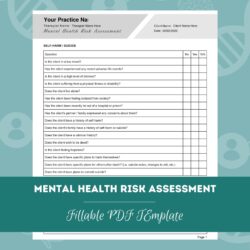
Furthermore, an excellent template often includes sections for risk assessment, identifying any potential for self-harm, harm to others, or relapse. It also provides space for the client’s own perspective on their substance use and their goals for treatment, fostering a collaborative approach from the outset. By systematically documenting these details, a well-executed substance abuse biopsychosocial assessment template becomes an invaluable document not only for guiding treatment but also for communicating effectively with other care providers and ensuring continuity of care.
The commitment to conducting thorough biopsychosocial assessments is a testament to an understanding that recovery is deeply personal and multifaceted. It acknowledges that healing involves more than just abstaining from a substance; it requires rebuilding lives, addressing underlying pain, and fostering environments that support long-term well-being. This comprehensive approach lays the groundwork for truly effective and empathetic care, paving the way for individuals to reclaim their lives.
Ultimately, a deep understanding of each person’s unique journey through the lens of their biological, psychological, and social experiences empowers both the individual seeking help and the professionals providing it. It creates a collaborative foundation upon which resilience is built, challenges are navigated, and sustainable recovery becomes a tangible reality. The impact of such meticulous and thoughtful assessment resonates far beyond the initial intake, shaping the entire arc of a person’s path to a healthier future.