As social workers, we often find ourselves piecing together complex narratives to truly understand the individuals and families we serve. It is a bit like being a detective, gathering clues from various aspects of a person’s life to build a complete picture. This holistic approach is not just a best practice; it is the cornerstone of effective intervention and support, ensuring that our efforts are always person-centered and informed by a deep understanding of their unique circumstances.
This comprehensive understanding is precisely what a biopsychosocial assessment aims to achieve. It goes beyond surface-level issues, delving into the intricate layers that shape a person’s experience. Navigating this vast landscape of information can feel daunting, but having a well-structured social work biopsychosocial assessment template can transform this critical task from an overwhelming hurdle into a streamlined, insightful process.
Why a Biopsychosocial Assessment is Your Superpower
Imagine trying to fix a leaky faucet without understanding the plumbing system, or even the water source. Similarly, addressing a client’s challenges without grasping the interconnectedness of their biological, psychological, and social factors would be like working in the dark. The biopsychosocial model provides a powerful lens, encouraging us to look at the whole person, not just the presenting problem. This isn’t just a theoretical concept; it is a practical tool that empowers us to develop interventions that genuinely resonate with a client’s reality.
Let’s start with the ‘bio’ part. This refers to all things biological and physiological that might be influencing a client’s well-being. Think about physical health, chronic illnesses, disabilities, genetic predispositions, substance use history, medication, diet, sleep patterns, and even a person’s developmental stage. All of these factors can significantly impact mood, cognition, energy levels, and overall functioning, and recognizing their role is crucial for an accurate assessment.
Next, we move into the ‘psycho’ domain. Here, we explore the individual’s mental health, cognitive abilities, emotional regulation, coping mechanisms, personality, and past experiences. This includes understanding their thoughts, feelings, behaviors, beliefs, and how they perceive themselves and the world around them. Exploring their resilience, self-esteem, trauma history, and mental health diagnoses provides invaluable insight into their internal landscape and capacity for change.
Finally, the ‘social’ aspect broadens our view to encompass the external environment and relationships that shape a person’s life. This includes family dynamics, social support networks, cultural background, economic status, housing situation, education, employment, community involvement, legal issues, and experiences with discrimination or systemic barriers. Our social connections and the environments we inhabit profoundly influence our health, well-being, and opportunities.
Key Areas to Explore in Each Domain
- Biological: Current health status, medical history, medications, substance use, sleep, diet, physical abilities, developmental milestones.
- Psychological: Mental health history, coping skills, cognitive functioning, emotional state, personality traits, self-perception, past trauma, spiritual beliefs.
- Social: Family structure, relationship quality, social support, cultural identity, housing, employment, education, financial stability, legal involvement, community resources, environmental stressors.
Crafting Your Go-To Social Work Biopsychosocial Assessment Template
Having a consistent social work biopsychosocial assessment template isn’t about rigid checkboxes; it is about ensuring thoroughness and consistency across your caseload. It acts as a compass, guiding you through the vast amount of information you need to collect, making sure no critical areas are overlooked. This not only benefits your clients by ensuring a holistic understanding but also enhances your efficiency, allowing you more time for direct practice.
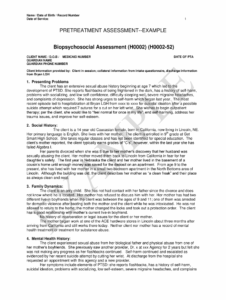
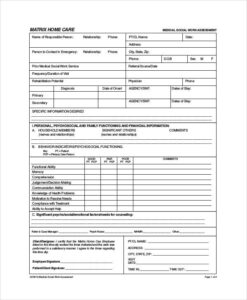
A robust template typically begins with basic client demographic information, referral source details, and the presenting problem in the client’s own words. This initial section sets the stage, providing the essential context for the deeper dive into their life story. Think of it as the introduction to a book, giving you the title and the author before you start reading the chapters.
The core of your template will then be structured around the biological, psychological, and social domains. Each section should feature a combination of prompts for specific information and ample space for narrative responses. Open-ended questions are vital here, encouraging clients to share their experiences in their own voice rather than simply providing “yes” or “no” answers. This narrative component is where the richness of their story truly emerges, offering qualitative data that quantitative data simply cannot capture.
Remember, a good template is a living document. As you gain more experience and encounter diverse client situations, you might find yourself tweaking and refining it. The goal is to create a tool that feels intuitive and comprehensive, one that supports your clinical judgment rather than dictating it. It should flow naturally, mimicking a conversation while ensuring all essential areas are covered, leading to a well-rounded assessment that truly informs your intervention plan.
Essential Sections for Your Template
- Client Demographics and Contact Information
- Reason for Referral/Presenting Problem (Client’s Statement)
- Biographical Information (Past and Current)
- Biological Domain Assessment (Health, Substance Use, etc.)
- Psychological Domain Assessment (Mental Health, Coping, Cognition)
- Social Domain Assessment (Family, Culture, Environment, Resources)
- Strengths, Resources, and Resilience Factors
- Client Goals and Preferences
- Social Worker’s Summary and Initial Impressions
- Intervention Plan/Recommendations
Utilizing a structured approach to understanding a client’s journey not only professionalizes our practice but also significantly enhances the quality of care we provide. It helps us to move beyond superficial observations, allowing us to connect the dots between various life experiences and their current circumstances. This comprehensive perspective is the foundation upon which effective and compassionate support is built, leading to more impactful outcomes for those we serve.
Embracing the power of a thorough assessment empowers both the social worker and the client. It ensures that interventions are not just band-aids but address the root causes and contributing factors of challenges, while simultaneously leveraging the client’s inherent strengths. This holistic lens helps in crafting tailored plans that genuinely promote well-being and foster long-term positive change within their unique life context.