Running a small business is an exciting journey filled with innovation and growth, but it also comes with its share of uncertainties. From unexpected market shifts to internal operational hiccups, risks are an inherent part of the entrepreneurial landscape. Many business owners dive headfirst into daily operations, often postponing the crucial task of identifying and preparing for potential threats. However, being proactive rather than reactive can make all the difference between overcoming a challenge and being blindsided by it.
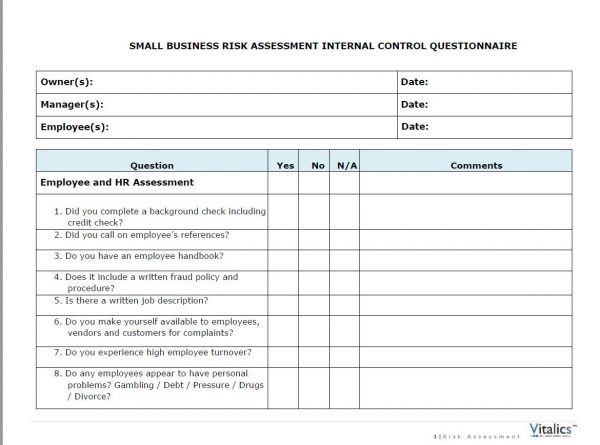
This is where a structured approach to understanding and managing these risks becomes invaluable. Developing a robust small business risk assessment template allows you to systematically identify, analyze, and plan for various scenarios that could impact your operations, finances, or reputation. It’s not about fearing what might go wrong, but rather about empowering yourself with the knowledge and strategies to navigate challenges effectively, ensuring your business remains resilient and thriving no matter what comes its way.
Why Every Small Business Needs a Risk Assessment
Every small business, regardless of its industry or size, faces a unique set of risks. Ignoring these potential pitfalls can lead to significant financial losses, reputational damage, or even the complete failure of the business. A comprehensive risk assessment isn’t just a corporate formality; it’s a vital component of strategic planning that helps you understand vulnerabilities and build a stronger, more sustainable enterprise. It shifts your focus from merely reacting to problems to actively anticipating and mitigating them before they escalate.
Think of a risk assessment as your business’s early warning system. It encourages you to step back and look at your operations from a critical perspective, considering everything from technological failures and cybersecurity threats to natural disasters and economic downturns. By systematically examining potential weaknesses, you can allocate resources more effectively, prioritize investments in security or compliance, and foster a culture of preparedness throughout your organization. This proactive stance not only protects your assets but also enhances your ability to seize opportunities with greater confidence.
Moreover, understanding your risks can even open doors to new opportunities. For instance, by identifying a gap in your data security, you might invest in a new technology that not only protects your information but also streamlines your operations, making you more efficient. Similarly, recognizing a dependency on a single supplier could prompt you to diversify your supply chain, ultimately making your business more robust and less susceptible to external disruptions. It is about turning potential threats into strategic advantages.
The insights gained from a thorough risk assessment are invaluable for making informed decisions. It helps you understand where to invest your time, money, and effort to achieve the highest return in terms of security and stability. Without this clear picture, you might be unknowingly exposed to severe threats that could derail your hard work. It’s truly about building a solid foundation upon which your business can grow securely.
Key Benefits of a Risk Assessment
- Identifies potential threats before they become major problems
- Protects financial assets and reduces potential losses
- Ensures business continuity during unforeseen events
- Improves decision-making and strategic planning
- Enhances reputation and builds customer trust
- Helps meet legal and regulatory compliance requirements
Crafting Your Own Small Business Risk Assessment Template
Creating your own small business risk assessment template doesn’t have to be an overwhelming task. It’s more about establishing a systematic approach than perfect prediction. The goal is to build a framework that is adaptable to your specific business and industry, allowing you to regularly review and update your risk profile as your business evolves. Begin by defining the scope of your assessment; what areas of your business will you focus on first? This might include operations, finance, human resources, marketing, or technology.
Once you have defined your scope, the next step is to identify potential risks. This can be done through brainstorming sessions with your team, reviewing historical data, analyzing industry trends, and even consulting with experts. Consider both internal risks, like employee turnover or equipment failure, and external risks, such as economic recessions, competitor actions, or changes in customer preferences. The more comprehensive your list of potential risks, the better equipped you’ll be to prepare for them. Don’t forget to think about the "what ifs" that might seem unlikely but could have a significant impact.
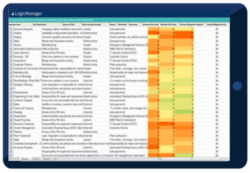
After identifying the risks, the crucial phase of analysis begins. For each identified risk, you’ll want to assess two main factors: its likelihood of occurring and its potential impact if it does occur. You can use a simple scale, such as low, medium, or high, for both likelihood and impact. For example, a minor data breach might have a high likelihood but a medium impact, while a catastrophic natural disaster might have a low likelihood but an extremely high impact. This analysis helps you prioritize which risks need the most attention and resources.
With your risks identified and analyzed, the final step in building your template involves developing mitigation strategies. For each high-priority risk, brainstorm specific actions you can take to either reduce its likelihood, lessen its impact, or both. This could involve implementing new security protocols, purchasing insurance, creating emergency response plans, diversifying suppliers, or cross-training employees. Your template should include a section for these strategies, assigning responsible parties and setting deadlines for implementation. Remember, a template is a living document, meant to be reviewed and updated regularly to reflect changes in your business and the external environment.
- Step 1: Define the Scope of Your Assessment
- Step 2: Identify Potential Risks
- Step 3: Analyze Likelihood and Impact
- Step 4: Develop Mitigation Strategies
- Step 5: Assign Responsibility and Set Deadlines
- Step 6: Regularly Review and Update Your Template
Taking the time to understand and prepare for potential challenges is not a luxury; it is a fundamental aspect of responsible business ownership. By systematically addressing vulnerabilities, you not only protect your current operations but also lay a stronger foundation for future growth and innovation. This proactive approach ensures that your business can weather storms and emerge even stronger.
Ultimately, having a clear small business risk assessment template in place provides invaluable peace of mind. It allows you to focus more on opportunities and less on fear, knowing that you have a plan for various scenarios. This strategic foresight is a key differentiator for successful businesses, enabling them to adapt quickly, maintain stability, and continue serving their customers effectively, no matter what the future holds.