Navigating the intricate world of financial markets requires a sharp eye and a proactive approach, especially when it comes to compliance. Firms today face intense scrutiny regarding market integrity, and preventing illicit activities like insider dealing or market manipulation isn’t just a regulatory checkbox—it’s fundamental to maintaining trust and operational stability. The consequences of falling short can be severe, ranging from hefty fines to irreparable reputational damage, underscoring the critical need for robust internal controls.

This is precisely where a structured risk assessment comes into play. By systematically identifying, evaluating, and mitigating potential vulnerabilities, firms can build a stronger defense against market abuse. A well-designed framework helps demystify this complex process, guiding organizations through the necessary steps to safeguard their operations and uphold the integrity of the broader financial ecosystem.
Understanding Market Abuse and Why a Template Matters
Market abuse, broadly speaking, refers to behavior that distorts the proper functioning of financial markets, undermining investor confidence and fairness. This can manifest in various forms, such as insider dealing, where individuals trade on confidential information, or market manipulation, which involves actions like spoofing or spreading false rumors to artificially inflate or deflate prices. With regulations like the Market Abuse Regulation (MAR) and MiFID II setting stringent standards across Europe, and similar frameworks globally, firms are under immense pressure to demonstrate effective controls and oversight.
Conducting a comprehensive risk assessment is not merely a bureaucratic exercise; it’s a vital component of a firm’s overall compliance strategy. It enables organizations to pinpoint specific areas of vulnerability within their operations, from the types of products they trade to the technology systems they employ and the human element involved in decision-making. By identifying these weaknesses, firms can prioritize their resources, strengthening controls where they are most needed and thereby significantly reducing their exposure to risk.
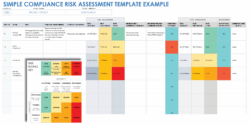
While the concept of a risk assessment is clear, executing it effectively across diverse business lines and evolving market conditions can be challenging. This is where a standardized approach, like a market abuse risk assessment template, proves invaluable. Such a template provides a consistent methodology, ensuring that all relevant aspects are considered, and the assessment is thorough and comparable across different departments or entities within a firm. It streamlines the process, saves time, and helps embed a culture of continuous risk awareness.
A robust market abuse risk assessment template acts as your firm’s guide, ensuring no stone is left unturned. It helps you systematically dissect your operations, understand potential pitfalls, and formalize your control environment. This structured approach not only enhances your ability to detect and prevent market abuse but also provides clear, auditable documentation of your compliance efforts, which is crucial during regulatory inspections.
Key Elements of a Robust Market Abuse Risk Assessment Template
- Identification of Activities and Products: Clearly list all financial instruments, trading activities, and services offered by the firm, as these determine the specific market abuse risks applicable.
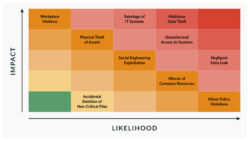
- Assessment of Inherent Risks: For each identified activity, evaluate the risk of market abuse occurring before any controls are considered. Factors here include product complexity, trading volumes, information asymmetry, and access to sensitive data.
- Identification of Existing Controls: Detail the current measures in place to mitigate these inherent risks. This includes surveillance systems, internal policies, staff training, ethical codes, and reporting lines.
- Evaluation of Residual Risks: After considering the effectiveness of existing controls, determine the remaining level of risk. This helps identify where current controls might be insufficient or absent.
- Action Planning and Remediation: Develop a clear plan for addressing any unacceptable residual risks, including timelines, assigned responsibilities, and expected outcomes for new or improved controls.
- Regular Review and Updates: Establish a schedule for periodic reassessment of risks and controls, recognizing that market dynamics, products, and regulatory requirements are constantly evolving.
Implementing and Maximizing Your Market Abuse Risk Assessment Template
Successfully deploying a market abuse risk assessment template goes far beyond simply filling in fields; it’s about embedding a dynamic, living process within your organization. Think of it not as a static document to be completed once and then filed away, but rather as an evolving tool that adapts with your business and the market landscape. Its true value emerges when it becomes an integral part of your continuous risk management framework, informing strategic decisions and operational adjustments.
Effective implementation hinges on collaborative effort. It’s crucial to involve key stakeholders from various departments, including compliance, legal, front office trading, operations, and IT. Each group brings a unique perspective and essential data to the table, helping to paint a comprehensive picture of potential risks and the efficacy of existing controls. Gathering accurate and timely information from these diverse sources ensures that the assessment is grounded in reality and reflects the nuances of your firm’s specific activities and exposures.
The financial environment is anything but static. New technologies emerge, trading strategies evolve, and regulatory expectations tighten. Therefore, your market abuse risk assessment template must be designed to accommodate change and encourage regular review. This means having processes in place to update risk profiles when new products are launched, significant changes are made to trading systems, or shifts occur in the market or regulatory landscape. Leveraging technology, such as dedicated risk management software, can significantly enhance the efficiency and accuracy of these ongoing reviews, allowing for quicker identification of emerging threats.
Ultimately, the goal of utilizing a comprehensive market abuse risk assessment template is to foster a culture of vigilance and accountability across the entire organization. By systematically identifying, assessing, and mitigating risks, firms not only meet their regulatory obligations but also proactively protect their reputation, financial stability, and the integrity of the markets they operate within. It helps transform compliance from a reactive burden into a strategic advantage, ensuring your firm is resilient and responsible in today’s complex financial world.