Embarking on a new product development journey is an exciting venture, filled with innovative ideas and the promise of creating something truly valuable. However, it is also a path fraught with uncertainties. From technical challenges to shifting market demands and unforeseen budget constraints, a multitude of factors can derail even the most well-planned projects. Recognizing these potential pitfalls early on is not just a good practice; it is absolutely essential for safeguarding your investment and ensuring your product’s successful launch and sustained success.
This is precisely where a structured approach to identifying, analyzing, and mitigating risks comes into play. Without a clear framework, teams often react to problems as they arise, leading to costly delays and reactive decision-making. Imagine having a roadmap that highlights potential roadblocks before you even start the journey. That is the power of a product development risk assessment template. It acts as your proactive shield, transforming vague anxieties into actionable insights and helping your team navigate the complexities of innovation with greater confidence and control.
Why a Product Development Risk Assessment is Your Project’s Best Friend
Developing a new product is akin to exploring uncharted territory. You might have a destination in mind, but the path is rarely straight and clear. Many products stumble not because of a lack of talent or effort, but due to an inability to anticipate and prepare for the inherent risks involved. These risks can manifest in various forms: a critical component failing quality tests, a competitor launching a similar product ahead of schedule, or even an internal team communication breakdown. Any of these could lead to significant budget overruns, missed deadlines, or a final product that simply does not meet customer expectations.
The beauty of implementing a robust product development risk assessment is that it shifts your team from a reactive stance to a proactive one. Instead of scrambling to fix problems after they have caused damage, you identify potential issues long before they become critical. This foresight allows you to allocate resources more effectively, create contingency plans, and make informed decisions that keep your project on track. It is about understanding the “what ifs” and putting strategies in place so that those “what ifs” do not turn into “oh no” moments.
A structured template provides a consistent framework for everyone involved. It ensures that no critical area is overlooked and that all potential risks are evaluated using the same criteria. This consistency is vital for fostering clear communication among team members, stakeholders, and even external partners. When everyone understands the risks and the planned responses, the entire project moves forward with greater alignment and purpose, reducing misunderstandings and improving overall collaboration. It is not just about finding problems; it is about building a resilient development process.
Furthermore, a comprehensive risk assessment can uncover opportunities you might not have otherwise noticed. By deeply scrutinizing every aspect of your project, you might identify alternative approaches, more efficient processes, or even new market segments that can further enhance your product’s potential. It empowers your team to innovate not just in product features, but also in how the product is brought to life.
Common Risk Categories to Consider
* Technical Risks: Challenges with technology, design complexity, integration issues.
* Market Risks: Changing customer needs, competitive landscape, adoption rates.
* Financial Risks: Budget overruns, funding shortfalls, poor return on investment.
* Operational Risks: Supply chain disruptions, team resource issues, process inefficiencies.
* Regulatory Risks: Compliance requirements, legal challenges, certification delays.
Building Your Own Effective Product Development Risk Assessment Template
Now that we understand the immense value, let’s talk about how you can approach creating or utilizing a powerful product development risk assessment template. The key is to make it practical, actionable, and tailored to your specific project and organizational context. This isn’t a one-size-fits-all document; it’s a living tool that evolves with your product. Starting with a clear understanding of your project scope and objectives is crucial, as this forms the baseline against which all potential risks will be evaluated.
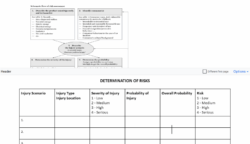
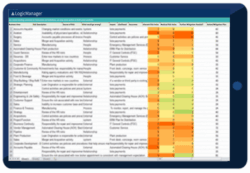
A robust template typically begins with identifying potential risks across all facets of your product development lifecycle. This involves brainstorming sessions with cross-functional teams, reviewing past project lessons learned, and even looking at industry trends. Once a comprehensive list of potential risks is compiled, the next step is to analyze each one. This involves assessing its likelihood of occurring and the potential impact it would have on your project’s schedule, budget, and quality if it did happen. This critical analysis helps you prioritize which risks need immediate attention and which can be monitored.
Following the analysis, the focus shifts to mitigation strategies. For each significant risk, you need to develop concrete plans to either reduce its likelihood or lessen its impact. This could involve developing contingency plans, exploring alternative technologies, securing backup suppliers, or allocating additional resources for testing. Assigning clear ownership for each risk and its corresponding mitigation plan is also vital. This ensures accountability and that someone is responsible for actively monitoring the risk and executing the plan if necessary.
Remember that a risk assessment is not a one-time activity. It’s an ongoing process that should be revisited and updated regularly throughout the product development lifecycle. New risks can emerge, and existing risks can change in likelihood or impact. Regularly scheduled reviews, perhaps at key project milestones, ensure your template remains relevant and effective. Involving your entire team in this process fosters a shared sense of responsibility and ownership, making your risk management efforts much more effective.
* Identify the risk: What could go wrong?
* Assess likelihood: How probable is it to occur? (e.g., Low, Medium, High)
* Assess impact: How severe would the consequences be? (e.g., Minor, Moderate, Critical)
* Develop mitigation strategies: What steps can be taken to prevent or minimize the risk?
* Assign ownership: Who is responsible for monitoring and acting on this risk?
* Monitor and review: Track the status of risks and update the assessment regularly.
Successfully bringing a new product to market is a complex endeavor, but it doesn’t have to be a gamble. By thoughtfully applying a structured approach to risk management, teams can significantly increase their chances of success. It empowers them to foresee challenges, make informed decisions, and navigate the unpredictable nature of innovation with greater agility and confidence.
Embracing the framework of a comprehensive product development risk assessment template is not merely about avoiding failure; it’s about building a foundation for consistent triumphs. It transforms potential setbacks into opportunities for strategic planning and ensures that your next great product not only launches but thrives in the marketplace, delivering true value to your customers and your organization.