Navigating the complex world of Anti-Money Laundering (AML) and Counter-Financing of Terrorism (CFT) compliance can often feel like a daunting task for any business. The stakes are incredibly high, ranging from hefty fines and reputational damage to enabling serious financial crime. That’s why having a robust framework to identify, assess, and mitigate risks is not just a regulatory obligation; it’s a fundamental aspect of responsible business practice.

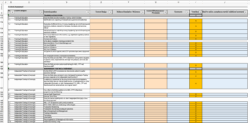
At the heart of this framework lies the money laundering risk assessment, a crucial exercise that helps organizations understand their unique vulnerabilities to financial crime. Many businesses seek structured tools to streamline this process, and that’s where a well-designed money laundering risk assessment template can become an indispensable asset, guiding you through the intricate steps of identifying potential threats and evaluating your current control environment.
Understanding the Core Components of a Robust AML Risk Assessment
A truly effective AML risk assessment isn’t just a checkbox exercise; it’s a comprehensive process that delves deep into your operations to uncover potential weaknesses where illicit funds might penetrate your system. It involves systematically identifying inherent risks, evaluating the effectiveness of your existing controls, and ultimately determining your residual risk exposure. This holistic view is vital for allocating resources efficiently and ensuring your compliance program is truly fit for purpose. Without a structured approach, it’s easy to overlook critical areas, leaving your organization exposed to significant threats.
The assessment typically begins by categorizing and analyzing various risk factors that are inherent to your business model. These factors generally fall into distinct areas, each requiring careful consideration and evaluation. Understanding these categories is the first step toward building a comprehensive picture of your organization’s risk landscape, and a good template will prompt you to consider each one in detail.
Key Risk Categories to Consider
- Customer Risk: This involves scrutinizing who your customers are. Are they politically exposed persons (PEPs), involved in high-risk industries, or operating with complex corporate structures designed to obscure ownership? The nature of your customer base significantly influences your overall risk profile.
- Geographic Risk: Where do your customers or your business operations conduct their activities? High-risk jurisdictions, countries under sanctions, or regions known for high levels of corruption or crime present elevated money laundering risks.
- Product and Service Risk: What services or products do you offer? Cash-intensive businesses, services that allow for anonymity, or those involving emerging technologies like cryptocurrencies can pose higher risks due to their inherent characteristics that might be exploited by criminals.
- Delivery Channel Risk: How do customers interact with your business? Non-face-to-face interactions, transactions through third parties, or reliance on intermediaries can introduce additional vulnerabilities that need careful assessment.
Once these inherent risks are identified, the next step is to evaluate the strength and effectiveness of your existing controls. These controls are the safeguards you have in place, such as customer due diligence procedures, transaction monitoring systems, staff training, and internal reporting mechanisms. The goal is to determine how well these controls mitigate the identified inherent risks, leading you to your residual risk level. This calculation helps prioritize areas needing improvement and ensures your compliance efforts are focused where they are most needed.
Ultimately, a structured approach, often facilitated by a comprehensive money laundering risk assessment template, ensures consistency, thoroughness, and objectivity across the entire risk assessment process. It helps standardize the evaluation criteria, making it easier to compare risks, track changes over time, and demonstrate compliance to regulators. This foundational work is indispensable for building a resilient defense against financial crime.
Implementing and Maintaining Your Risk Assessment Framework
Implementing a money laundering risk assessment template isn’t a one-time event; it’s an ongoing commitment that requires careful planning, execution, and continuous review. The real value of such a template comes from its consistent application across all relevant business units and its regular updating to reflect changes in your operations, customer base, regulatory environment, and emerging threats. Think of it as a living document that evolves with your business and the external landscape.
To begin, you’ll need to gather comprehensive data across all the risk categories discussed earlier. This might involve reviewing customer onboarding records, transaction data, geographic exposure analysis, and product descriptions. Populating the template accurately requires input from various departments, including compliance, legal, operations, and even sales, ensuring a holistic view of potential vulnerabilities. Clear communication and internal collaboration are key to ensuring all relevant information is captured.
Leveraging technology can significantly enhance the implementation process. Data analytics tools, specialized AML software, and integrated risk management systems can automate data collection, facilitate more granular analysis, and help identify patterns or anomalies that might otherwise go unnoticed. While a template provides the structure, technology can provide the power to process vast amounts of information efficiently, leading to more accurate and insightful risk assessments. This integration of human expertise and technological capability is often the hallmark of a leading compliance program.
Finally, maintaining your risk assessment framework means conducting periodic reviews, typically annually or whenever significant changes occur within your business or the regulatory landscape. Did you launch a new product? Enter a new market? Experience a change in customer demographics? All these factors necessitate a re-evaluation of your risk profile. Regular reviews ensure that your assessment remains relevant, accurate, and effective in mitigating evolving money laundering and terrorist financing risks, making sure your defenses are always up to date.
Adopting a systematic approach to identifying and mitigating money laundering risks is more than just meeting a regulatory obligation; it is a critical strategy for safeguarding your organization’s integrity and financial stability. A well-designed and consistently applied risk assessment framework serves as the bedrock of an effective AML compliance program, guiding resource allocation and informing strategic decisions.
By embracing a proactive stance and regularly refining your risk assessment processes, businesses can not only reduce their exposure to financial crime but also foster a culture of compliance and ethical conduct. This continuous vigilance and adaptation are essential in the ever-changing landscape of global financial crime, ensuring that your organization remains resilient and responsible.