Embarking on any significant IT project or even just planning for your organization’s technological future can feel like navigating a complex maze without a map. How do you truly know what your business needs from its technology infrastructure? Are you spending too much on solutions that don’t quite fit, or perhaps overlooking critical areas that could boost productivity and security? Understanding your current IT landscape and pinpointing future requirements is the foundational step towards making informed decisions.
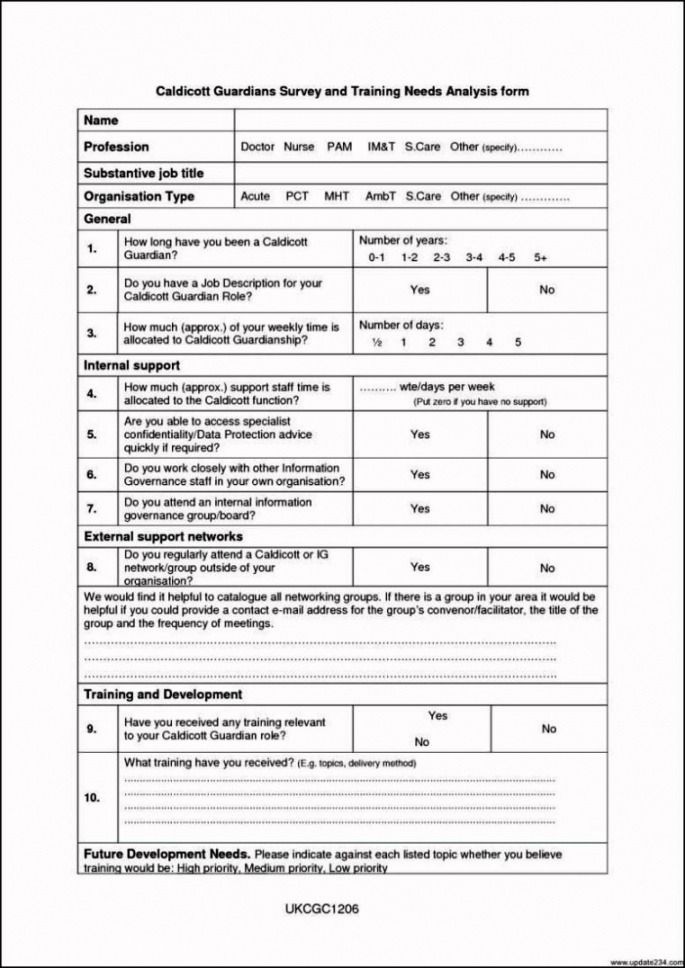
This crucial process, known as an IT needs assessment, helps you bridge the gap between where your technology is today and where it needs to be to support your strategic business goals. It’s about more than just checking boxes; it’s about gaining clarity, identifying inefficiencies, and discovering opportunities for growth. To ensure this process is thorough, consistent, and effective, having a structured approach is invaluable. This is precisely where an effective information technology needs assessment template comes into play.
What Exactly Is an IT Needs Assessment and Why Does Your Organization Need One?
At its core, an IT needs assessment is a comprehensive evaluation designed to identify the current technological state of an organization, pinpointing both its strengths and its weaknesses. It dives deep into existing systems, software, hardware, networks, security protocols, and even the skills of the IT team. Beyond just looking at what’s present, it critically examines how these elements support or hinder your business operations and strategic objectives. This systematic review is crucial because technology isn’t static; it evolves, and so do your business requirements.
Without a clear understanding of your technological standing, organizations risk making haphazard investments, adopting solutions that don’t integrate well, or worse, leaving themselves vulnerable to security threats and operational downtime. An assessment ensures that every IT decision is rooted in data and directly tied to improving business outcomes, rather than simply following trends or reacting to problems as they arise. It’s about being proactive, strategic, and efficient with your technology budget and resources.
Think of it as a health check-up for your IT infrastructure. Just as a doctor assesses your current health to recommend future treatments, an IT needs assessment provides a diagnosis of your technological health. It helps you uncover hidden bottlenecks, redundant systems, and areas where modern solutions could significantly enhance productivity or reduce costs. This proactive approach saves time and money in the long run by preventing costly mistakes and ensuring a smoother operational flow.
The ultimate goal is to align your technology strategy with your overall business strategy. If your business is aiming for rapid expansion, your IT infrastructure needs to be scalable. If customer data security is paramount, your systems need robust protection. An effective information technology needs assessment template acts as a guide through this complex process, ensuring no stone is left unturned and all critical areas are evaluated systematically.
Key Benefits of a Thorough IT Needs Assessment
- Strategic Alignment: Ensures IT initiatives directly support overarching business goals.
- Cost Savings: Identifies redundant systems or inefficient processes that can be streamlined or eliminated.
- Enhanced Security: Uncovers vulnerabilities and helps implement robust protection measures.
- Improved Productivity: Pinpoints areas where new technologies or upgrades can boost employee efficiency.
- Future-Proofing: Lays the groundwork for scalable and adaptable IT infrastructure to meet future demands.
Crafting Your Own Information Technology Needs Assessment Template: Key Components
Developing an effective information technology needs assessment template might seem daunting, but it’s essentially about structuring your inquiry into several logical sections. A well-designed template ensures consistency, makes the data collection process more manageable, and provides a clear framework for analyzing your findings. It acts as a roadmap, guiding you through every step from initial data gathering to final recommendations, ensuring nothing vital is overlooked.
One of the first sections should always be an Executive Summary. This provides a high-level overview of the assessment’s findings, key recommendations, and the business impact, designed for busy stakeholders who need to grasp the essential points quickly. Following this, a comprehensive Current State Analysis is crucial. This section delves into your existing IT environment, documenting everything from hardware and software inventories to network diagrams, cybersecurity measures, vendor contracts, and IT staff capabilities. It’s about understanding “what is” before you can define “what should be.”
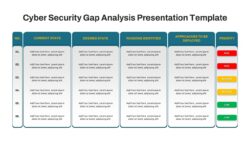
Next, you’ll want to define the Future State Requirements. This isn’t just wishful thinking; it involves translating business objectives into specific technological needs. What new capabilities are needed to support upcoming projects? How can technology improve customer service or operational efficiency? This section should also consider industry best practices and emerging technologies that could offer a competitive edge. The Gap Analysis then bridges these two states, identifying precisely where your current IT infrastructure falls short of your future needs.
Finally, the template should include sections for Recommendations and an Action Plan. This is where you outline specific, actionable steps to address the identified gaps, complete with estimated costs, timelines, and potential ROI. It’s vital to prioritize recommendations based on urgency, impact, and feasibility. Including sections for stakeholder interviews and data collection methods also ensures a standardized approach to gathering input from various departments and users, making the assessment truly comprehensive.
Using such a structured template allows your organization to approach IT planning with clarity and purpose, moving beyond reactive fixes to proactive, strategic development. It streamlines the communication of complex technical information to non-technical stakeholders, fostering a shared understanding of technology’s role in achieving broader business success. This methodical approach ensures that every technology decision serves a clear purpose, ultimately driving your organization forward efficiently and securely.