Returning to work after maternity leave marks a significant transition, filled with both excitement and a touch of apprehension. Navigating this period successfully often begins with clear, professional communication with your employer. One of the most crucial steps is formally notifying your company of your intended return date and any specific needs you might have.
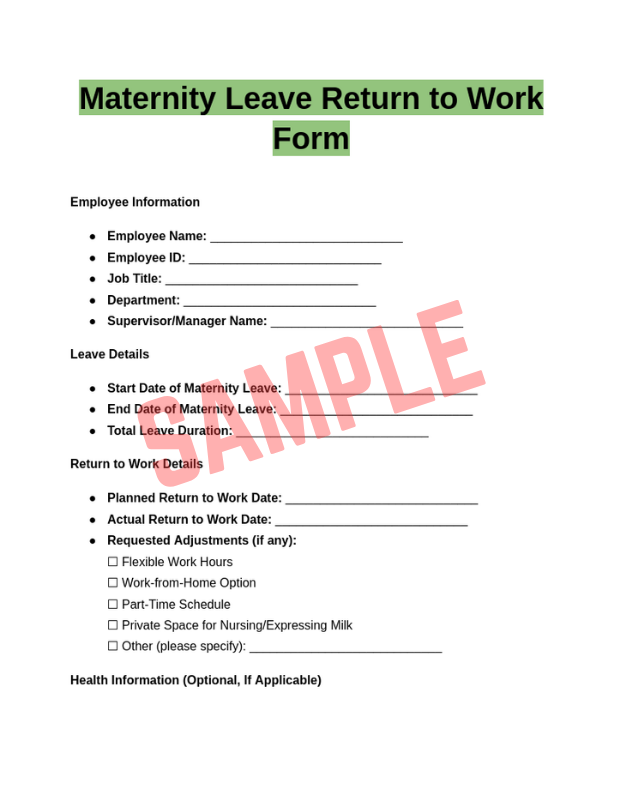
This communication ensures a smooth re-entry into your professional life and helps your employer prepare for your arrival. A well-crafted maternity return to work letter template can simplify this process, providing a structured way to convey essential information without missing critical details. Understanding the components of such a letter is vital for a seamless transition back to your role.
In this comprehensive guide, we’ll explore why a formal letter is so important, delve into the key information you need to include, and provide a clear, easy-to-use maternity return to work letter template. This will empower you to communicate confidently and effectively, setting the stage for a positive return to your career.
Understanding Your Rights and Responsibilities During Return to Work
Preparing to return from maternity leave involves more than just selecting your wardrobe; it also requires understanding your legal rights and employer’s policies. Being informed about these aspects ensures a smoother transition and helps you advocate for your needs effectively. This knowledge forms the foundation of any communication with your workplace.
Many countries and regions have specific laws governing parental leave and return to work. Familiarizing yourself with these regulations is paramount. It empowers you to engage in informed discussions with your HR department or manager about your return plans.
Navigating Maternity Leave Policies and Laws
The Family and Medical Leave Act (FMLA) in the United States, for instance, provides eligible employees with up to 12 weeks of unpaid, job-protected leave for certain family and medical reasons, including the birth of a child. It’s important to verify if your company falls under FMLA guidelines and if you meet the eligibility criteria. State-specific laws may offer additional protections or benefits, so research local regulations as well.
Beyond federal and state mandates, your employer will likely have its own parental leave policy. This might include details about paid leave, extended leave options, or specific procedures for notifying your intent to return. Always consult your employee handbook or speak directly with your HR representative to understand these nuances fully.
Knowing your company’s policy alongside relevant laws helps you determine your exact return date and any potential requests you might make. This foundational understanding ensures that your return communication aligns with established guidelines. It also helps you clarify any misconceptions before sending your official notification.
Key Information to Convey in Your Return Letter
When drafting your letter, clarity and completeness are your best allies. Your employer needs precise information to make necessary arrangements for your return. This ensures your role is ready and any logistical needs are addressed.
Firstly, the most critical piece of information is your confirmed return-to-work date. This date should align with your approved leave period and any extensions you may have discussed. Providing an exact date prevents ambiguity and allows for proper scheduling.
Secondly, consider including any requests for accommodations or flexible work arrangements you might need. This could involve a modified schedule, remote work options, or dedicated space for breastfeeding/pumping. While these requests might require further discussion, stating them upfront allows your employer time to consider them and respond appropriately.
Finally, expressing your enthusiasm to return to your role and team can reinforce your commitment. A positive tone helps maintain strong professional relationships. This demonstrates your continued dedication to your career and the company.
Crafting an Effective Maternity Return to Work Letter
A well-composed letter not only fulfills a formal requirement but also sets a professional tone for your re-entry. It reflects your thoughtfulness and commitment to your role. An effective letter streamlines the administrative process for both you and your employer.
The aim is to be concise, clear, and professional, ensuring all essential details are covered without unnecessary complexity. This approach helps prevent misunderstandings and facilitates a smooth transition back into the workplace. Your letter is a crucial document in this process.
Essential Elements for a Professional Letter
A professional return to work letter should follow a standard business letter format. Start with your contact information, followed by the date, and then the recipient’s contact details. This structure makes the letter easy to read and formally presents your communication.
The subject line is crucial; it should clearly state the purpose, such as “Return to Work Notification – [Your Name]”. This helps the recipient immediately understand the letter’s content. A clear subject line ensures your letter is prioritized and routed correctly within the organization.
In the body, clearly state your intention to return to work and specify your exact return date. Reiterate your appreciation for the maternity leave and express your eagerness to resume your responsibilities. If you have any specific requests, like flexible hours, mention them briefly, indicating your willingness to discuss further.
Close the letter professionally with a formal salutation like “Sincerely” or “Regards,” followed by your typed name. Proofread meticulously for any grammatical errors or typos before sending. A polished letter reflects your attention to detail and professionalism.
Common Pitfalls to Avoid When Returning to Work Communication
Even with a template, certain mistakes can inadvertently complicate your return. One common pitfall is vagueness regarding your return date. Always provide a specific, confirmed date rather than a general timeframe, as this allows your employer to plan effectively.
Another error is failing to understand or acknowledge company policies regarding return from leave. Ensure your requests and expectations align with what your employer can reasonably offer. Making demands instead of well-reasoned requests can create unnecessary tension.
Neglecting to proofread your letter is a significant oversight. Typos or grammatical errors can detract from your professional image. Take the time to review your communication carefully before sending it to ensure accuracy and clarity, as this is a formal document.
Finally, avoid sending the letter too close to your intended return date. Provide ample notice, typically in line with your company’s policy or at least 2-4 weeks. Timely communication is a mark of professionalism and ensures your return is well-prepared for by your team and management.
Sample Maternity Return To Work Letter Template
Here is a practical maternity return to work letter template designed to be clear, professional, and comprehensive. You can adapt this format to suit your specific situation, ensuring all necessary details are included. This structure will guide you in drafting your own personalized communication.
Remember to replace the bracketed information with your personal and company-specific details. This sample provides a solid foundation for your letter. Its clear layout helps ensure that all important points are covered concisely.
[Your Name]
[Your Address]
[Your City, Postal Code]
[Your Phone Number]
[Your Email Address]

[Date]

[Hiring Manager Name/HR Department]
[Company Name]
[Company Address]
[Company City, Postal Code]

Subject: Return to Work Notification - [Your Name]

Dear [Mr./Ms./Mx. Last Name of Hiring Manager/HR Department],

I am writing to formally confirm my intention to return to my position as [Your Job Title] following my maternity leave. My official return-to-work date will be [Your Start Date]. I am excited to resume my responsibilities and contribute to the team again.

My last day of work before leave was [Your Last Day of Work], and my leave officially began on [Your Leave Start Date]. I have thoroughly enjoyed my time with my new baby and am now ready to transition back into my professional role.

I look forward to discussing any updates or changes that may have occurred during my absence. If there are any forms or procedures I need to complete before my return, please let me know at your earliest convenience.

Additionally, I would like to inquire about the possibility of [mention any specific requests, e.g., adjusting my schedule to four days a week, exploring remote work options for two days, or needing access to a private space for breastfeeding/pumping]. I am available to discuss this further at your convenience.

Thank you for your understanding and support during my maternity leave. I am eager to reconnect with colleagues and get back to work.

Sincerely,

[Your Signature (if sending a hard copy)]
[Your Typed Name]
This sample letter is designed to be easily adaptable. Feel free to adjust the language to match your professional tone and specific company culture. Remember to send it with enough lead time for your employer to process your return efficiently.
A well-prepared return to work letter is more than just a formality; it’s a strategic tool for a smooth transition back into your career. By clearly communicating your intentions and any needs, you set a positive tone for your re-entry. Utilizing a structured approach ensures all bases are covered.
Empower yourself with clear communication by using a comprehensive maternity return to work letter template. This proactive step not only helps you but also assists your employer in preparing for your valuable return. Taking this initiative shows your professionalism and dedication, paving the way for a successful comeback to the workplace.