Creating a new garment product, whether it’s a trendy new dress or a durable workwear item, involves a fascinating journey from concept to consumer. But beneath the exciting designs and fabric choices lies a crucial responsibility: ensuring that every product is safe, compliant, and meets the quality expectations of your customers. Without a structured approach, hidden pitfalls can emerge, leading to costly recalls, reputational damage, and even legal issues. It’s a complex landscape, filled with potential challenges at every turn, from material sourcing to final packaging.
This is where a robust system for identifying and mitigating potential problems becomes indispensable. Imagine having a clear roadmap that guides you through every possible snag before it becomes a major headache. That’s precisely what a well-designed garment product risk assessment template offers. It’s not just another checklist; it’s a strategic tool that empowers your team to proactively identify, evaluate, and control risks, ensuring peace of mind for both your business and your customers.
Understanding the Landscape of Garment Product Risks
When we talk about risk in garment manufacturing, it’s far more than just a loose button or a faded color. The scope is incredibly broad, encompassing everything from the raw materials used to the end-user experience. Neglecting any of these areas can have severe consequences, impacting not just the bottom line but also your brand’s integrity and consumer trust. A comprehensive approach means looking at the entire lifecycle of the product and anticipating where things might go wrong.
Consider the immediate safety of the wearer. This is paramount, especially for children’s clothing. Small parts can pose choking hazards, drawstrings can present entanglement risks, and certain finishes might contain harmful chemicals. Flammability is another critical safety concern, particularly for sleepwear or specialized protective apparel. These aren’t just theoretical risks; they are real-world dangers that regulatory bodies worldwide are vigilant about.
Beyond safety, there are significant quality risks that can undermine a product’s value. Think about fabrics that pill prematurely, seams that unravel after a few washes, or dyes that bleed onto other garments. A product that fails to meet basic durability or aesthetic expectations will quickly lead to customer dissatisfaction and returns, eroding your brand’s reputation and increasing operational costs. Consistency in quality across production batches is a constant challenge that demands careful attention.
Then there are the less visible but equally critical compliance and ethical risks. Is your labeling accurate and complete, meeting the requirements of every market you sell in? Are the factories you work with adhering to fair labor practices and environmental regulations? Modern consumers are increasingly conscious of a brand’s social and environmental footprint, making ethical sourcing and production transparency non-negotiable. This holistic view of risk is vital for any responsible garment business.
Key Areas of Garment Product Risk
- **Physical Safety Risks:** Choking hazards (small parts, loose embellishments), entanglement (drawstrings, cords), sharp points or edges (fasteners, trims), entrapment risks (hoods, openings).
- **Chemical Safety Risks:** Presence of restricted substances (Azo dyes, heavy metals, phthalates, formaldehyde), skin irritation, allergic reactions.
- **Flammability Risks:** Failure to meet specific flammability standards, especially for children’s sleepwear or protective clothing.
- **Quality & Durability Risks:** Fabric defects (snags, uneven weave, pilling), poor stitching (skipped stitches, unraveling seams), colorfastness issues (bleeding, fading), dimensional stability (shrinkage, stretching), functional failures (zipper breakage, button loss).
- **Regulatory & Compliance Risks:** Incorrect labeling (fiber content, care instructions, country of origin), failure to meet specific market regulations (CE, CPSIA, REACH), intellectual property infringement.
- **Ethical & Environmental Risks:** Unfair labor practices, unsafe working conditions, child labor, excessive waste generation, unsustainable material sourcing, poor waste management.
Crafting Your Effective Garment Product Risk Assessment Template
Developing a comprehensive garment product risk assessment template isn’t about creating more paperwork; it’s about building a living document that streamlines your risk management process and fosters a culture of prevention. This template becomes the cornerstone of your quality control and compliance efforts, ensuring that every new product launch is thoroughly vetted before it ever reaches a customer’s hands. It brings consistency to your evaluations, allowing different team members to assess risks uniformly.
An effective template should begin with clear product identification details, including style number, description, intended use, target consumer, and materials used. This foundational information ensures everyone is assessing the same product. Following this, the template should systematically guide you through various risk categories, prompting you to consider potential hazards specific to the garment’s design, materials, and manufacturing process. It should be intuitive enough for practical use while being thorough enough to capture all relevant details.
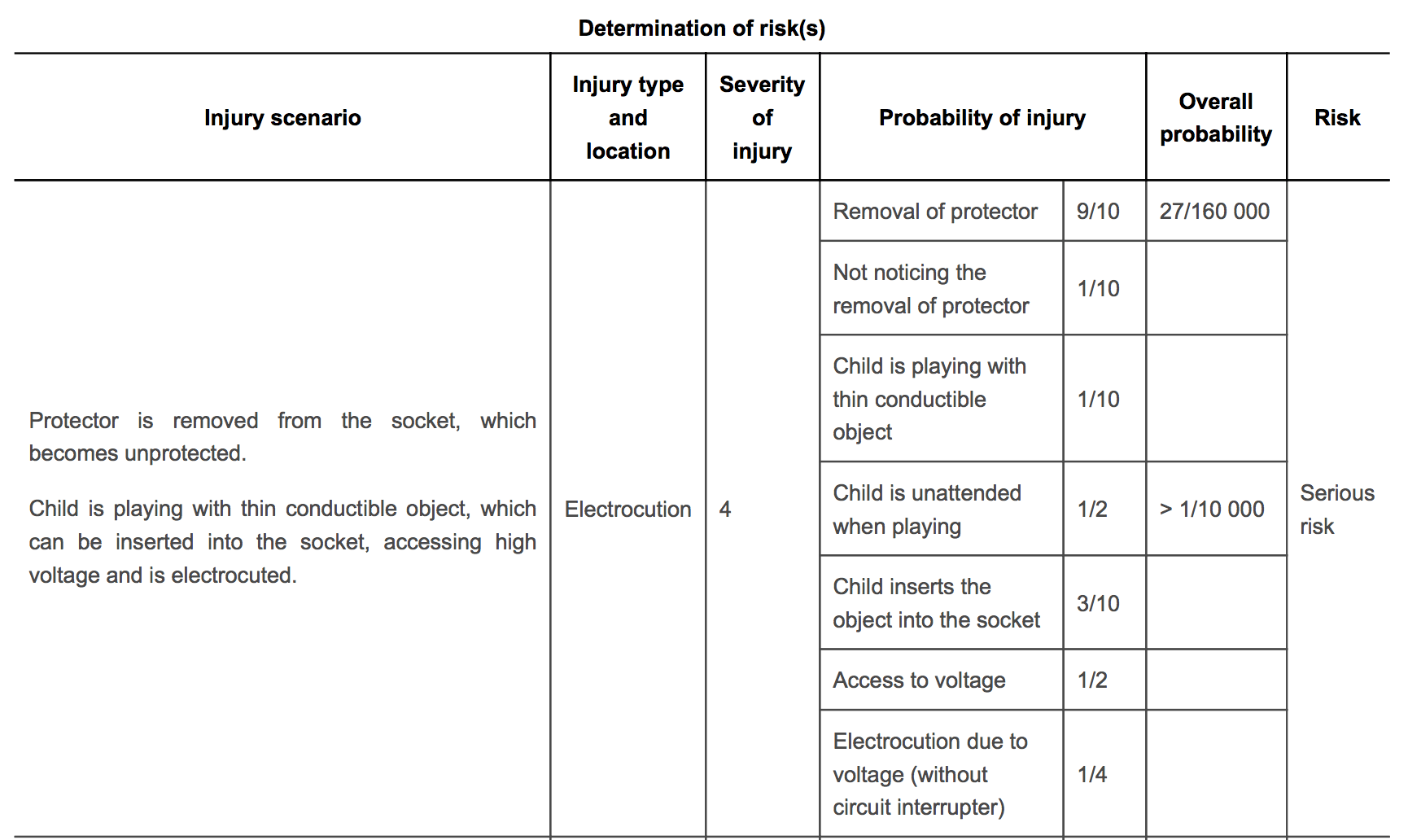
The core of the template will involve identifying specific risks, assessing their likelihood of occurring, and the potential severity of their impact. This dual-factor approach helps prioritize risks, allowing your team to focus resources on the most critical areas. For instance, a high-likelihood, high-severity risk like a choking hazard in infant wear would demand immediate and robust mitigation, whereas a low-likelihood, low-severity aesthetic flaw might be addressed with less urgency.
Finally, the garment product risk assessment template should clearly outline mitigation strategies and assign responsibility for implementing them. What steps will be taken to reduce or eliminate each identified risk? Who is accountable for ensuring these steps are followed? This section transforms the assessment from a theoretical exercise into an actionable plan. Regular reviews and updates to the template are also crucial, adapting it as new materials, technologies, or regulations emerge.
Essential Components of a Robust Risk Assessment Template
- **Product Identification:** Clear details of the garment, including style, season, materials, and intended consumer group.
- **Risk Categories:** Structured sections for physical, chemical, flammability, quality, and compliance risks.
- **Specific Risk Identification:** Detailed prompts or questions to help identify potential hazards within each category.
- **Likelihood Assessment:** A rating system (e.g., low, medium, high) to determine how probable each risk is to occur.
- **Severity Assessment:** A rating system (e.g., negligible, minor, moderate, critical, catastrophic) to quantify the impact if the risk materializes.
- **Risk Score Calculation:** A method (e.g., multiplying likelihood by severity) to prioritize risks and determine urgency.
- **Mitigation Strategies:** A dedicated section to document specific actions, controls, and procedures to reduce or eliminate identified risks.
- **Responsible Parties:** Clear assignment of individuals or departments accountable for implementing and monitoring mitigation efforts.
- **Review & Approval:** Sections for sign-offs, dates of assessment, and scheduled review periods to ensure ongoing relevance.
Adopting a proactive stance on risk management isn’t just about avoiding problems; it’s about building a stronger, more resilient business. By systematically evaluating every aspect of your garment products, you enhance consumer safety, improve product quality, and ensure regulatory adherence. This strategic foresight protects your brand’s reputation and fosters lasting customer loyalty, transforming potential weaknesses into opportunities for excellence.
Implementing a well-structured assessment process ultimately contributes to a more efficient and transparent supply chain. It empowers your team with the tools to make informed decisions, reduces the likelihood of costly errors, and reinforces your commitment to delivering high-quality, safe, and ethically produced garments. This forward-thinking approach is invaluable for sustainable growth in the competitive fashion and apparel industry.